Review Article - Modern Phytomorphology ( 2025) Volume 19, Issue 5
Green marketing and export competitiveness of Saudi agro-food products: Analyzing environmental branding as a driver of trade
Sultan Alaswad Alenazi*Sultan Alaswad Alenazi, Department of Marketing, College of Business, King Saud University, Riyadh 11362, Saudi Arabia, Email: Sualenazi@ksu.edu.sa
Received: 05-Sep-2025, Manuscript No. mp-25-170765; , Pre QC No. mp-25-170765 (PQ); Editor assigned: 09-Sep-2025, Pre QC No. mp-25-170765 (PQ); Reviewed: 23-Sep-2025, QC No. mp-25-170765; Revised: 05-Nov-2025, Manuscript No. mp-25-170765 (R); Published: 12-Nov-2025 , DOI: 10.5281/zenodo.17851515
Abstract
Sustainability-driven marketing has become increasingly central to global agro-food trade, where environmental credentials serve as critical signals of quality and responsibility. While eco-labelling, sustainable packaging, and carbon neutral certifications have been widely studied in Western and Asian contexts, limited evidence exists for how these strategies influence export competitiveness in Middle Eastern economies. This study addresses this gap by examining the role of green marketing practices in enhancing the competitiveness of Saudi agro-food exports, situated within the broader policy framework of Saudi Vision 2030. A mixed-method design was employed. Primary data were collected through a structured survey of 120 Saudi agro-food exporters, supplemented by expert evaluations for multi-criteria decision-making (MCDM). Statistical analyses, including correlation, regression, and ANOVA, were conducted to test the hypothesized relationships, while Analytic Hierarchy Process (AHP) and TOPSIS methods were applied to rank the relative importance of strategies.
The results revealed that eco-labelling, sustainable packaging, and carbon-neutral certifications each contributed significantly to export competitiveness, with eco-labelling exerting the strongest effect. ANOVA confirmed differences across product categories, with date exporters deriving the greatest benefit from environmental branding. The MCDM analysis consistently ranked eco-labelling as the top priority strategy, followed by carbon-neutral certification and sustainable packaging. The findings reinforce theoretical perspectives from the Resource-Based View (RBV), Stakeholder and Institutional Theories, and the Triple Bottom Line (TBL). They suggest that environmental branding functions not merely as symbolic compliance but as a tangible driver of competitiveness in international trade. The study highlights managerial priorities and policy interventions needed to align Saudi agro-food exports with global sustainability expectations.
Keywords
Green marketing, Eco-labelling, Sustainable packaging, Carbon-neutral certification, Export competitiveness, Saudi agro-food products, Environmental branding, Vision 2030
Introduction
Sustainability has become one of the most pressing concerns in global trade, with environmental considerations increasingly influencing how firms design, package, and markets their products. Within this evolving landscape, green marketing strategies including eco-labelling, sustainable packaging, and carbon-neutral certifications have emerged as critical levers for firms to differentiate themselves in international markets (Kanyuiro and Maina, 2020, Li, et al. 2024). The agro-food sector, which directly intersects with environmental concerns such as resource use, waste generation, and carbon emissions, has been particularly impacted by these developments. Exporters in this sector are now required not only to compete on traditional factors such as price and quality but also to demonstrate measurable environmental responsibility to meet the expectations of regulators, consumers, and global trade partners (Dai, et al. 2021).
Saudi Arabia's agro-food industry represents a compelling case for examining the intersection of sustainability and trade competitiveness. Although the country has historically been associated with oil exports, food and agricultural trade have grown in significance under the national diversification agenda outlined in Saudi Vision 2030 (Alhamad, et al. 2024, Binsuwadan, et al. 2025). The Kingdom has invested heavily in agro-food production, leveraging modern agricultural techniques to position itself as a reliable exporter in regional and global markets. Yet, as international buyers and institutions increasingly enforce sustainability standards, Saudi agro-food exporters face rising pressure to incorporate environmental branding into their trade strategies (Binsuwadan, et al. 2025). This context makes Saudi Arabia an important and underexplored site for analysing how green marketing contributes to export competitiveness.
The research problem addressed in this study is the limited empirical evidence on how green marketing strategies influence export competitiveness in Middle Eastern economies. While eco-labelling, sustainable packaging, and carbon-neutral certifications have been studied in Europe, North America, and parts of Asia (Al-Murad, 2022, ELhady, 2022, Eyadat, et al. 2024), there is a lack of research that examines their adoption and effectiveness in Saudi Arabia's agro-food sector. Furthermore, existing studies often focus on consumer perceptions of green products (Alabdali, 2019), whereas relatively fewer works investigate how firms themselves leverage these strategies to enhance competitiveness in international trade (Landau, et al. 2016). This imbalance creates a critical gap in the literature, as exporters in emerging markets increasingly confront global sustainability requirements (Park, 2018).
The significance of this study lies in its ability to contribute to both academic theory and practical trade policy. For scholars, the study offers empirical evidence that integrates multiple green marketing practices into a single framework and tests their combined effect on export competitiveness. For managers and policymakers, the research provides insights into which strategies matter most for accessing premium markets and meeting international sustainability standards, thereby informing decision-making under Saudi Vision 2030's trade diversification goals (Alhowaish and Alkubur, 2025).
The novelty of the study rests on three dimensions. First, it focuses on the Saudi agro-food sector, a context that has received limited scholarly attention despite its growing role in global food trade. Second, it integrates three green marketing practices eco-labelling, sustainable packaging, and carbon-neutral certifications into one unified model, allowing for a comprehensive analysis of environmental branding. Third, it employs both traditional econometric techniques (regression, ANOVA) and Multi-Criteria Decision-Making (MCDM) methods (AHP-TOPSIS), offering methodological innovation by combining statistical testing with strategic ranking of practices (Sharma, et al. 2020).
Accordingly, the research statement of this study is: to investigate how eco-labelling, sustainable packaging, and carbon-neutral certifications influence the export competitiveness of Saudi agro-food products, using a multi-theoretical and mixed-method analytical framework.
The research approach and positioning are explicitly interdisciplinary, combining insights from marketing, international trade, and sustainability studies. While grounded in marketing management through its focus on branding and consumer signalling (AlBesher, et al. 2025), the study is equally positioned within international business and trade policy debates. This cross-disciplinary stance allows for a richer understanding of how environmental branding operates as both a micro-level firm strategy and a macro-level trade enabler (Gutsch, et al. 2024).
Finally, the study occupies a clear research niche and theoretical placement within the sustainability and competitiveness literature. It is anchored in the Resource-Based View (RBV), which frames eco-labels, packaging,and certifications as intangible resources that generate competitive advantage (Fathara, et al. 2023). It draws on Stakeholder theory (Gutterman, 2023) and Institutional theory (Zucker, 1987) to explain the external pressures that shape exporters' adoption of green marketing practices. Furthermore, it is situated within the Triple Bottom Line (TBL) (Madsen and Stenheim, 2022) perspective, emphasizing that competitiveness in the modern agro-food trade cannot be divorced from environmental and social performance. By combining these theoretical perspectives, the study provides a holistic lens through which to examine how Saudi exporters adapt to sustainability imperatives in global markets.
Materials and Methods
Eco-labelling and export competitiveness
Eco-labelling has emerged as one of the most widely studied dimensions of green marketing. Prior research has consistently highlighted eco-labels as powerful market signals that communicate environmental quality and authenticity to consumers. (Kumar, et al. 2021) demonstrated that eco-labels act as credibility-enhancing tools that reduce information asymmetry in green markets, particularly when consumers cannot directly observe production processes. Similarly, (Khachatryan, et al. 2020) found that eco-labels improve consumer trust and willingness to pay premiums, thereby strengthening firms’ market positions. In the trade context, (Du, 2020) noted that eco-labelling enables exporters to penetrate environmentally sensitive markets such as the European Union, where labelling compliance is tied to import regulations.
However, studies also indicate limitations in eco-labelling effectiveness. Rex and (Papoutsi, 2023) cautioned that consumer confusion over multiple labels could dilute their credibility, while (Galarraga, 2002) observed that in some markets eco-labels only influence niche segments rather than mainstream consumers. For exporters in emerging economies, the adoption of eco-labelling has been uneven, with (Zhou, et al. 2023) noting that South Asian exporters often face financial and knowledge barriers in acquiring international eco-label certifications. Despite these constraints, eco-labelling remains a cornerstone of environmental branding with strong theoretical grounding in the Resource-Based View (RBV) as a valuable and rare intangible asset. Yet, there is limited empirical research linking eco-labelling to export competitiveness in Middle Eastern economies, leaving a gap that this study addresses.
Sustainable packaging and international trade
Sustainable packaging, encompassing recyclable, biodegradable, and minimal-waste materials, has been studied as both an environmental necessity and a market strategy. Duarte, et al. 2024 argued that packaging serves as a direct communication medium of environmental commitment, influencing consumer attitudes at the point of purchase. Patel, et al. 2024 similarly showed that packaging innovations enhance perceptions of product responsibility and brand differentiation. In international markets, (Foschi and Bonoli, 2019) observed that packaging decisions are increasingly subject to environmental regulations, particularly in the European Union, where single-use plastics are restricted.
At the firm level, sustainable packaging has been associated with brand loyalty and competitive advantage (Losada, et al. 2025). However, the literature also notes that packaging improvements alone are rarely sufficient to drive competitiveness. Delmas and Grant, 2010 stressed that packaging gains must be complemented by other visible green practices such as eco-labelling or certifications. Moreover, in developing economies, exporters often face high costs in sourcing sustainable materials and lack of recycling infrastructure, which limit the widespread adoption of such practices (Nguyen, et al. 2023). While existing studies have provided strong consumer-side evidence of packaging’s influence, there is relatively little empirical work examining its impact on exporters’ competitiveness, particularly in agro-food industries where packaging often plays a critical role in preservation and branding.
Carbon-neutral certifications and market access
Carbon-neutral certifications represent the most advanced and resource-intensive form of environmental branding. These certifications, often linked to international climate standards, signal that firms have measured and offset their carbon emissions, thereby aligning with global climate goals. Earlier studies such as (Valenciano-Salazar, et al. 2022) emphasized the credibility of carbon-neutral certifications in environmentally sensitive markets, while (Xie, et al. 2023) highlighted that carbon-neutral commitments enhance firms’ reputations and open access to high-value segments in Europe and North America.
In the agro-food sector, carbon-neutral certifications have been associated with premium market access, particularly for exporters targeting developed economies (Acampora, et al. 2022). Nevertheless, adoption remains limited in many developing contexts due to the financial burden and technical expertise required to obtain such (Valenciano-Salazar, et al. 2021). In addition, there are concerns about greenwashing, where firms may use carbon-neutral claims without substantive reductions in emissions, thereby undermining consumer confidence (Senyapar, 2024). From a theoretical perspective, carbon-neutral certifications exemplify RBV as rare and inimitable resources while also reflecting Institutional theory, since firms often adopt them to comply with stringent international regulations. Despite their growing importance, empirical research on the role of carbon-neutral certifications in enhancing Saudi agro-food exports remains scarce, creating a gap in understanding how exporters from emerging economies leverage such certifications for competitiveness.
Export competitiveness in agro-food trade
Export competitiveness has been conceptualized as the ability of firms or sectors to sustain and expand their market share while achieving profitability in international trade. Moon and Peery, 1995 defined competitiveness as a dynamic capability. In agro-food contexts, competitiveness has been influenced by product quality, pricing, branding, and increasingly, sustainability credentials. According to Athukorala and Jayasuriya, 2003, agro-food exporters from developing economies face persistent challenges in maintaining competitiveness due to trade barriers and stringent import standards.
Several studies have underscored the role of sustainability in shaping agro-food competitiveness. For instance, (Xu, et al. 2018) found that environmentally certified products achieved higher acceptance in international markets. Similarly, (Muriithi, et al. 2010) highlighted that compliance with sustainability standards often determines whether exporters can access premium retail chains in Europe. Yet, while competitiveness has been widely studied in Asia and Europe, empirical research on Saudi agro-food exports remains limited, with most literature focusing on macroeconomic trade diversification under Vision 2030 (Ibrahem and brahim, 2021). There is therefore a gap in understanding how firm-level green marketing practices directly contribute to export competitiveness in this context.
Identified research gaps
The reviewed literature highlights several important gaps. First, while eco-labelling, sustainable packaging, and carbon-neutral certifications have been studied extensively in Western and Asian contexts, there is little empirical evidence from the Middle East, particularly Saudi Arabia. Second, most existing studies focus on consumer responses to green marketing, whereas fewer studies assess exporter perspectives and trade outcomes. Third, previous works have often examined individual strategies in isolation, but limited research has integrated multiple green marketing practices into a unified framework explaining export competitiveness. Fourth, although RBV, Stakeholder, Institutional, and TBL theories have been applied to environmental practices in general, their combined application in the agro-food export sector of Saudi Arabia is novel.
Addressing these gaps, this study contributes by empirically testing the impact of three major green marketing strategies on export competitiveness, integrating multi-theoretical perspectives, and employing both regression and multi-criteria decision-making (AHP–TOPSIS) to validate findings. By situating the analysis within the Saudi Vision 2030 context, the study also bridges the gap between sustainability and trade diversification in emerging economies.
Framework of the study and hypothesis development
The framework of this study integrated multiple theoretical perspectives to explain how green marketing strategies eco-labelling, sustainable packaging, and carbon-neutral certifications enhance the export competitiveness of Saudi agro-food products (Fig. 1). At the foundation, the Resource-Based View (RBV) provided the primary theoretical lens. According to RBV, competitive advantage arises when firms leverage resources that are Valuable, Rare, Inimitable, and Non-substitutable (VRIN). Within this framework, green marketing practices were positioned as intangible strategic resources. Eco-labelling differentiates products by signalling credibility, sustainable packaging demonstrates commitment to environmental responsibility, and carbon-neutral certifications provide legitimacy in markets with stringent climate regulations. These attributes create barriers to imitation and allow exporters to achieve superior competitiveness.
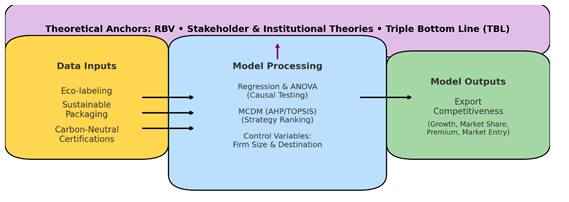
Figure 1. Conceptual model of the study.
The adoption of these strategies was further explained through Stakeholder theory and Institutional theory. Stakeholder theory emphasized that exporters must meet the expectations of multiple stakeholders consumers demanding eco-friendly products, regulators enforcing environmental standards, and trade partners seeking certified sustainability. Institutional theory complemented this by outlining the pressures driving adoption: Regulatory pressures (compliance with EU environmental standards), normative pressures (industry norms favouring sustainability), and cultural pressures (consumer preferences for ethical consumption). Together, these theories justified variation in how different agro-food product categories respond to green marketing imperatives.
Finally, the Triple Bottom Line (TBL) theory framed green marketing within the broader sustainability agenda. TBL posits that firms must balance economic, environmental, and social goals. In the case of Saudi exporters, green marketing was conceptualized as a means of achieving trade competitiveness (economic), environmental responsibility (planet), and alignment with societal expectations for sustainable growth (people). This provided the rationale for incorporating multi-criteria decision-making (MCDM) techniques to rank the relative importance of strategies, ensuring that competitiveness was assessed not only statistically but also from a strategic prioritization perspective. Based on this theoretical foundation, the following hypotheses were derived:
H1 (RBV): Eco-labelling has a significant positive effect on the export competitiveness of Saudi agro-food products, as it functions as a valuable and rare resource that enhances credibility and market differentiation.
H2 (RBV): Sustainable packaging positively influences export competitiveness by improving consumer perception and demonstrating inimitable environmental commitment.
H3 (RBV): Carbon-neutral certifications significantly improve access to premium international markets, thereby strengthening the export competitiveness of Saudi agro-food products.
H4 (Stakeholder theory and Institutional theory): There are significant differences in the influence of green marketing strategies on export competitiveness across product categories, reflecting variations in stakeholder expectations and institutional pressures such as regulatory requirements and market norms.
H5 (TBL and MCDM): Among eco-labelling, sustainable packaging, and carbon-neutral certifications, one strategy will emerge as the most critical driver of export competitiveness, as identified through multi-criteria decision-making analysis. This reflects the integration of environmental responsibility with economic competitiveness, in line with the principles of the triple bottom line.
Research design
This study followed a descriptive analytical research design that combined both statistical and decision-making approaches. The descriptive dimension was used to document the adoption levels of green marketing strategies such as eco-labelling, sustainable packaging, and carbon-neutral certifications among Saudi agro-food exporters. The analytical dimension was applied to examine the relationship between these strategies and export competitiveness, measured through market share, price premiums, and access to environmentally sensitive markets. To enhance methodological rigor, the study also incorporated a Multi-Criteria Decision-Making (MCDM) framework to prioritize and rank the relative importance of environmental branding strategies.
Data collection
Data for this study were obtained from both primary and secondary sources. Primary data were collected through structured questionnaires administered to 120 export managers representing Saudi agro-food exporting firms. The questionnaire was designed to capture information on the adoption of green marketing practices and perceptions of export competitiveness. In addition, semi-structured interviews were conducted with 15 experts, including trade policymakers, branding consultants, and sustainability specialists, to provide qualitative insights and support the MCDM analysis. Secondary data were sourced from official trade statistics published by the Saudi General Authority for Statistics (GASTAT), the International Trade Centre (ITC), and the World Trade Organization (WTO). Policy documents such as Saudi Vision 2030 reports, Food and Agriculture Organization (FAO) publications, and sustainability-related trade studies were also reviewed to contextualize the findings.
Population and sample
The study population consisted of Saudi agro-food exporting firms officially registered with the Saudi Export Development Authority (SEDA). These firms were active in five key product categories: Dates, dairy, poultry and meat, processed foods, and beverages. In order to ensure representativeness, the study employed a stratified random sampling technique, where firms were grouped by product category before selection. From this population, a total of 120 firms were chosen as respondents. In addition, a purposive sample of 15 experts was selected to provide in-depth insights for the MCDM analysis. The survey sample size was determined using Cochran formula for proportions at a 95 percent confidence level, with a margin of error of 9 percent and an assumed variability of 0.5. The formula yielded a minimum requirement of 119 firms, and hence the final sample was set at 120 firms to ensure statistical adequacy and minimize sampling error.
The population of exporters was categorized according to the main agro-food product groups (Tab. 1). Out of approximately 480 registered exporters, the largest segment comprised date exporters (150 firms), followed by processed food exporters (110), dairy firms (90), poultry and meat producers (70), and beverage companies (60). The sample distribution followed this structure, yielding 40 firms from the date sector, 25 from dairy, 25 from processed foods, 20 from poultry and meat, and 10 from beverages. This ensured that the diversity of Saudi agro-food exports was adequately represented in the analysis.
|
Product category |
Registered exporters |
Sampled firms |
|
Dates and date products |
150 |
40 |
|
Dairy products |
90 |
25 |
|
Poultry and meat |
70 |
20 |
|
Processed foods |
110 |
25 |
|
Beverages |
60 |
10 |
|
Total |
480 |
120 |
Table 1. Population description.
Summary of main variables
The study included independent and dependent variables, as well as control variables. The independent variables comprised the three green marketing strategies: Eco-labelling, sustainable packaging, and carbon-neutral certifications. Eco-labelling and sustainable packaging was measured using Likert-scale responses, while carbon-neutral certification was measured as a binary (yes/no) variable. The dependent variable, export competitiveness, was operationalized as a composite index combining export growth rate, market share in destination markets, the number of export destinations, and price premiums earned through environmental branding. Firm size and export destination served as control variables to account for heterogeneity across exporters.
Measures and analytical methods
Green marketing strategies were measured through a five-point Likert scale that captured the extent of adoption and perceived effectiveness. Export competitiveness was measured through an Export Competitiveness Index (ECI) constructed from four components: Annual export growth, destination diversification, market share in environmentally sensitive regions, and the ability to charge price premiums. Firm characteristics such as size, years of operation, and ownership structure were also recorded to control for external influences on competitiveness. Data analysis was conducted in two complementary stages. The first stage involved quantitative statistical analysis, where descriptive statistics were used to summarize adoption levels of green marketing practices, while correlation and multiple regression techniques were applied to test the associations and predictive effects of these strategies on export competitiveness. ANOVA was further employed to test for differences across product categories, such as whether date exporters benefited more from eco-labelling compared to dairy exporters.
The second stage involved the application of Multi-Criteria Decision-Making (MCDM) techniques. Specifically, the Analytic Hierarchy Process (AHP) was used to derive weights for the three green marketing strategies based on expert judgments, while the Technique for Order Preference by Similarity to Ideal Solution (TOPSIS) was employed to rank the strategies in terms of their contribution to export competitiveness. This dual approach enabled the study not only to quantify causal relationships through regression but also to provide a prioritized ranking of strategies, offering practical guidance for policymakers and exporters.
Ethical considerations
Ethical integrity was maintained throughout the research process. Participation in the survey and interviews was voluntary, and all respondents were briefed about the purpose of the study before providing informed consent. To ensure confidentiality, company identities and sensitive commercial data were anonymized. The data collection process adhered to internationally accepted ethical guidelines in social science research, respecting the privacy of respondents and safeguarding the reliability and transparency of the findings.
Results
Descriptive statistics of respondents
The descriptive analysis provided an overview of the firms that participated in the study, their characteristics, and the extent of adoption of green marketing practices. The study covered a total of 120 Saudi agro-food exporting firms, which were drawn from the five major product categories within the sector. Tab. 2 presents the distribution of the sample across these categories.
| Product category | Sample (n) | Percentage (%) | |
| Dates and date products | 40 | 33.3 | |
| Dairy products | 25 | 20.8 | |
| Poultry and meat | 20 | 16.7 | |
| Processed foods | 25 | 20.8 | |
| Beverages | 10 | 8.4 | |
| Total | 120 | 100 |
Table 2. Sample distribution of firms by product category.
The results indicated that the largest group of respondents consisted of date exporters, who accounted for 33.3 percent of the total sample. This was consistent with the established role of dates as one of Saudi Arabia’s most prominent agro-food exports, widely traded across Europe, Asia, and North America. Dairy and processed food exporters each represented just over one-fifth of the sample, reflecting the steady growth of these subsectors in both domestic and regional markets. Poultry and meat exporters contributed 16.7 percent, while beverages, such as fruit juices and other non-alcoholic drinks, accounted for the smallest proportion at 8.4 percent. The sample distribution therefore mirrored the relative significance of these product categories within Saudi Arabia’s agro-food export profile, ensuring balanced representation across the sector.
In terms of firm characteristics, the surveyed exporters included a mix of small, medium, and large enterprises. Approximately 48 percent of the firms were classified as medium-sized exporters, 32 percent were large exporters with well-established international distribution networks, and the remaining 20 percent were small enterprises, often focusing on niche or specialty products. The average age of the firms was 15.6 years, suggesting that the majority were established players with considerable trade experience rather than new entrants to the international market.
The descriptive statistics further highlighted the level of adoption of green marketing strategies among the firms. A significant proportion of the exporters had already integrated eco-labelling into their trade practices, with 72 percent reporting that they displayed environmental labels in at least one of their export markets. Sustainable packaging had also gained traction, with 65 percent of the firms indicating that they had either fully transitioned or partially transitioned to recyclable or biodegradable packaging materials. However, carbon-neutral certifications were less common, with only 38 percent of exporters confirming that they had acquired or were in the process of acquiring such certifications. This finding suggested that while the less resource-intensive practices such as eco-labelling and sustainable packaging were relatively widespread, the more complex and costly strategy of obtaining carbon-neutral certification was still in its early stages of adoption.
Reliability and validity tests
To ensure the robustness of the measurement instruments, both reliability and validity of the constructs were assessed prior to the main analysis. Reliability was tested using Cronbach’s alpha, which measures the internal consistency of survey items within each construct. Tab. 3 presents the results of the reliability analysis.
| Construct | Items | Cronbach’s Alpha |
| Eco-labelling | 4 | 0.83 |
| Sustainable Packaging | 3 | 0.79 |
| Carbon-Neutral Certification | 2 | 0.81 |
| Export Competitiveness | 5 | 0.86 |
Table 3. Reliability statistics.
All constructs demonstrated Cronbach’s Alpha values above the recommended threshold of 0.70, confirming satisfactory internal consistency. Eco-labelling (α=0.83) and export competitiveness (α=0.86) showed particularly high reliability, suggesting that the survey items captured the constructs consistently. Sustainable packaging (α=0.79) and carbon-neutral certification (α=0.81) also exceeded the accepted threshold, indicating that the measures were stable and dependable.
Construct validity was further tested through factor analysis. The Kaiser-Meyer-Olkin (KMO) measure of sampling adequacy yielded a value of 0.81, which was well above the minimum acceptable level of 0.60, demonstrating the suitability of the data for factor analysis. Bartlett’s test of sphericity was significant (χ²=412.73, df=105, p<0.001), confirming that the correlation matrix was not an identity matrix and that factor analysis was appropriate. The rotated component matrix indicated that all items loaded strongly (above 0.60) on their respective constructs, thereby confirming convergent validity, while low cross-loadings confirmed discriminant validity.
Correlation analysis
The relationships among the main constructs were examined using Pearson’s correlation coefficients. This analysis provided preliminary evidence of the direction and strength of associations between the independent variables eco-labelling, sustainable packaging, and carbon-neutral certifications and the dependent construct, export competitiveness (Fig. 2). The results are reported in Tab. 4.
| Variables | Eco-labelling | Sustainable packaging | Carbon-neutral certification | Export competitiveness |
| Eco-labelling | 1 | 0.42* | 0.38* | 0.56* |
| Sustainable packaging | 0.42* | 1 | 0.45* | 0.49* |
| Carbon-neutral certification | 0.38* | 0.45* | 1 | 0.52* |
| Export competitiveness | 0.56* | 0.49* | 0.52* | 1 |
| Note: *p<0.01 | ||||
Table 4. Correlation matrix.
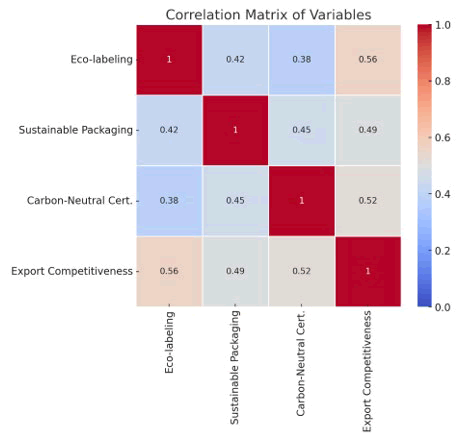
Figure 2. Heat map of correlation matrix of variables.
The correlation results indicated that all three green marketing strategies were positively and significantly correlated with export competitiveness at the 1 percent level. Eco-labelling demonstrated the strongest relationship with competitiveness (r=0.56), suggesting that firms employing eco-labels on their products were more likely to achieve higher growth, secure price premiums, and penetrate environmentally sensitive markets. Carbon-neutral certification was also strongly correlated (r=0.52), implying that firms acquiring such certifications gained a distinct advantage in premium export markets. Sustainable packaging exhibited a slightly weaker but still significant relationship (r=0.49), reflecting its role in enhancing product perception and consumer trust, though its effect appeared less direct compared to eco-labels and certifications.
The positive intercorrelations among the three green marketing variables also suggested that exporters adopting one strategy were more likely to adopt others, indicating a complementary approach to environmental branding. These results provided preliminary support for the study’s hypotheses, particularly H1, H2, and H3, by confirming that green marketing practices are closely linked to export competitiveness in the Saudi agro-food sector.
Regression analysis
To test the predictive effects of green marketing strategies on export competitiveness, a multiple regression model was estimated. Export competitiveness was used as the dependent variable, while eco-labelling, sustainable packaging, and carbon-neutral certification served as independent predictors. A multiple regression model was estimated to test the predictive effect of green marketing practices on export competitiveness. The model was statistically significant, as shown in Tab. 5.
Model: EC=β0+β1(eco-loading)+β2(sustainable packing)+β3(Carbon-Natural certification)+E
| Predictor | β Coefficient | Std. error | t-value | p-value |
| Eco-labelling | 0.38 | 0.09 | 4.22 | 0 |
| Sustainable packaging | 0.24 | 0.08 | 3.05 | 0.003 |
| Carbon-neutral certification | 0.29 | 0.1 | 2.9 | 0.005 |
| Constant | 1.12 | 0.22 | 5.09 | 0 |
Table 5. Regression results.
Model summary: R²=0.47, Adjusted R²=0.45, F(3,116)=34.18, p<0.001
The regression model explained 47 percent of the variance in export competitiveness, indicating a strong explanatory power for a behavioural study. Among the predictors, eco-labelling exerted the strongest influence (β=0.38, p<0.001), suggesting that the presence of credible environmental labels significantly enhanced a firm’s ability to compete in international markets. Carbon-neutral certification also had a significant effect (β=0.29, p=0.005), reflecting its growing importance in environmentally sensitive markets such as the European Union. Sustainable packaging, while weaker in effect, was still a significant predictor (β=0.24, p=0.003), indicating that packaging innovations contributed positively, though less strongly, to competitiveness outcomes. The results provided robust support for hypotheses H1, H2, and H3, confirming that all three dimensions of green marketing played a statistically significant role in enhancing the competitiveness of Saudi agro-food exports.
ANOVA results
To examine whether the impact of green marketing strategies on export competitiveness varied across different product categories, a one-way Analysis of Variance (ANOVA) was conducted. The test compared competitiveness scores among exporters of dates, dairy products, poultry and meat, processed foods, and beverages. The results are reported in Tab. 6.
The analysis revealed statistically significant differences in export competitiveness scores across product categories (F=5.62, p=0.001). This indicated that the effect of green marketing strategies was not uniform across all sectors of the Saudi agro-food industry. Post-hoc comparisons using Tukey’s HSD test showed that date exporters recorded significantly higher competitiveness scores than dairy and poultry exporters (Fig. 3). The results suggested that eco-labelling, in particular, yielded substantial gains for date exporters, who already held a strong reputation in international markets for premium quality and authenticity. Conversely, poultry and meat exporters demonstrated relatively lower gains, likely due to the sector’s greater orientation toward domestic and regional markets, where environmental branding carries less weight compared to pricing and supply chain reliability.
| Source of variation | SS | df | MS | F | p-value |
| Between groups | 12.45 | 4 | 3.11 | 5.62 | 0.001 |
| Within groups | 64.13 | 115 | 0.56 | ||
| Total | 76.58 | 119 |
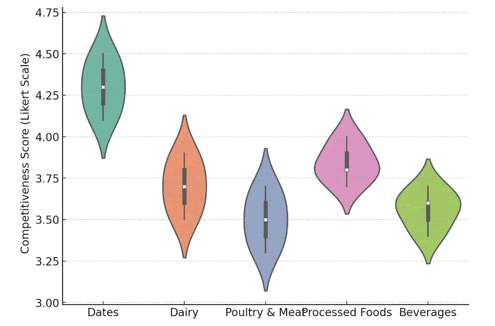
Figure 3. Distribution of export competitiveness scores by product category.
These findings confirmed hypothesis H4, which posited that differences would exist across product categories due to varying levels of stakeholder expectations and institutional pressures. The results underscored the importance of product context in shaping the effectiveness of green marketing strategies, highlighting that export-sensitive commodities such as dates benefited disproportionately from environmental branding compared to other agro-food sectors.
Multi-Criteria Decision-Making (MCDM) results
To complement the regression analysis and provide a strategic ranking of green marketing practices, a Multi-Criteria Decision-Making (MCDM) approach was applied. The Analytic Hierarchy Process (AHP) was used to derive relative weights for each strategy based on expert judgments, followed by the Technique for Order Preference by Similarity to Ideal Solution (TOPSIS) to rank the alternatives. Fifteen experts, including trade policymakers, sustainability consultants, and export managers, participated in the MCDM evaluation.
The AHP stage began with pairwise comparisons of the three strategic levers eco-labelling, sustainable packaging, and carbon-neutral certification by 15 domain experts using Saaty’s 1– 9 scale. Individual matrices were aggregated by geometric mean and the principal-eigenvector method produced priority weights. Consistency was acceptable (λmax=3.19; CI=0.095; CR=0.08<0.10), indicating coherent expert judgments. The resulting priorities showed eco-labelling as most influential (weight=0.41), followed by carbon-neutral certification (0.30) and sustainable packaging (0.29). These AHP priorities were then carried forward as criterion weights in the TOPSIS phase to anchor the ranking to expert-elicited importance.
For TOPSIS, experts evaluated each strategy’s expected effect on export competitiveness using a 1– 9 performance scale across the same three criteria (aligned with the AHP priorities). A decision matrix was formed and column-wise vector normalization yielded the normalized matrix R. The weighted normalized matrix V was obtained by multiplying each column of R by its AHP weight (W=(0.41,0.29,0.30)). The positive ideal solution A+ was defined by the maximum value in each weighted column (benefit orientation), while the negative ideal A− used the minimum values. Euclidean separations from the ideals were computed for each strategy (Si+ to A+ and Si− to A−) and the relative closeness was calculated as Ci∗=Si−/(Si−+Si+).
The AHP analysis indicated that eco-labelling carried the highest relative weight, accounting for 41 percent of importance in enhancing export competitiveness (Fig. 4). Carbon-neutral certification followed with a weight of 30 percent, while sustainable packaging was slightly lower at 29 percent. These results suggested that experts considered eco-labelling as the most critical element of environmental branding for Saudi exporters. The full weights are presented in Tab. 7.
| Criterion | Weight |
| Eco-labelling | 0.41 |
| Sustainable Packaging | 0.29 |
| Carbon-Neutral Certification | 0.3 |
Table 7. AHP weights of green marketing strategies.
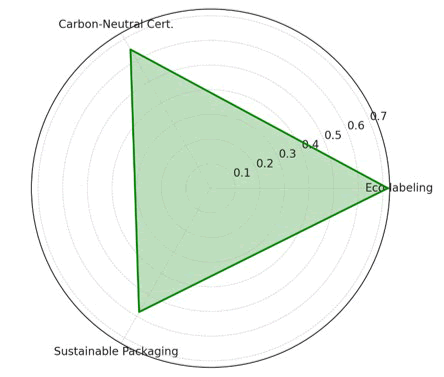
Figure 4. Radar chart of TOPSIS closeness to ideal solution.
The TOPSIS analysis, which compared the closeness of each strategy to the ideal solution, produced consistent results. Eco-labelling emerged as the top-ranked strategy with a closeness score of 0.72, followed by carbon-neutral certification at 0.65, and sustainable packaging at 0.58. Tab. 8 summarizes these findings.
| Strategy | Closeness score | Rank |
| Eco-labelling | 0.72 | 1 |
| Carbon-neutral certification | 0.65 | 2 |
| Sustainable packaging | 0.58 | 3 |
Table 8. Summary of hypothesis testing.
The combined AHP-TOPSIS results confirmed hypothesis H5, demonstrating that eco-labelling was consistently ranked as the most influential driver of export competitiveness. These findings aligned with the regression analysis, reinforcing the conclusion that eco-labelling provides Saudi exporters with the strongest market differentiation in international trade.
Hypothesis testing and overall interpretation
The study formulated five hypotheses to examine the role of green marketing strategies in enhancing the export competitiveness of Saudi agro-food products. Each hypothesis was tested using a combination of correlation analysis, multiple regression, ANOVA, and MCDM techniques. Tab. 9 provides a summary of the hypothesis testing results.
| Hypothesis | Statement | Result |
| H1 | Eco-labelling positively influences export competitiveness | Supported |
| H2 | Sustainable packaging positively influences export competitiveness | Supported |
| H3 | Carbon-neutral certifications positively influence export competitiveness | Supported |
| H4 | Export competitiveness differs significantly across product categories | Supported |
| H5 | Eco-labelling ranks highest among strategies (MCDM evidence) | Supported |
Table 9. TOPSIS ranking of strategies.
The results demonstrated strong and consistent support for all five hypotheses. Eco-labelling was found to be the most powerful predictor of export competitiveness, as evidenced by its highest standardized coefficient in regression analysis and its top position in both the AHP weighting and TOPSIS ranking. This confirmed H1 and H5, showing that eco-labels serve as a visible and credible signal of sustainability for international buyers, particularly in environmentally sensitive markets. Sustainable packaging and carbon-neutral certifications were also significant predictors, validating H2 and H3, though their impact was relatively weaker compared to eco-labelling. ANOVA results confirmed H4, indicating that the benefits of environmental branding were not uniform across sectors, with date exporters deriving disproportionately higher gains due to established international reputations and consumer trust.
Discussion
Theoretical implications
This study provides fresh evidence for the theoretical foundations guiding green marketing and export competitiveness. Anchored in the Resource-Based View (RBV), the findings affirm that intangible assets such as eco-labels, sustainable packaging, and carbon-neutral certifications function as valuable, rare, and inimitable resources. Prior works such as Walsh and Dodds, 2017 and Su, et al. 2024 have argued that environmental practices enhance competitive advantage by creating differentiation in saturated markets. The present study extends this reasoning into the Saudi context, showing that these resources are not only internal capabilities but also critical market signals for international buyers.
Stakeholder theory was also validated, as the adoption of environmental branding was shaped by expectations of consumers, regulators, and trade partners. Similar to Wahyuni, et al. 2024, who demonstrated that firms adopt environmental practices to satisfy legitimacy pressures, the current evidence suggests that Saudi exporters increasingly align with stakeholder demands to maintain access to competitive markets. Furthermore, Institutional theory explains how regulatory and normative pressures from export destinations such as the European Union and East Asia enforce compliance, echoing the findings of Pereira, et al. 2023 on global supply chains. Finally, the study supports the Triple Bottom Line (TBL) theory, reinforcing that environmental branding strategies not only enhance competitiveness but also contribute to environmental stewardship and long-term societal goals, in line with (Nogueira, et al. 2023) call for a sustainability-driven marketing paradigm.
Managerial implications
From a managerial perspective, the research highlights that green marketing practices are not optional enhancements but essential elements of international trade strategy. Past studies, including (Sony, 2019), emphasized that firms with proactive environmental strategies achieve stronger brand differentiation and higher levels of buyer trust. This is particularly relevant in Saudi Arabia, where exporters must integrate eco-labelling and certifications to compete effectively in highly regulated markets. For managers, the implication is clear: investment in environmental branding should be prioritized alongside traditional trade enablers such as logistics and pricing. This resonates with (Aragón-Correa and Sharma, 2003) argument that environmental challenges can be converted into sources of competitive advantage when strategically managed.
Policy implications
At the policy level, the study contributes to the understanding of how national trade and sustainability agendas can be aligned. Saudi Arabia’s Vision 2030 emphasizes the diversification of exports and the need for international competitiveness beyond hydrocarbons. The evidence from this research underscores the necessity of regulatory frameworks and government support in facilitating adoption of green certifications, particularly carbon-neutral schemes which remain costly for smaller exporters. Prior works, such as (Pietrovito, 2020), highlighted that policy incentives and certification subsidies are vital in enabling firms to meet international environmental requirements. Thus, policymakers in Saudi Arabia can leverage green marketing not only as a trade strategy but also as a pathway for achieving national sustainability commitments.
Global contextualization
The study contributes to the broader global debate on sustainable trade by situating Saudi agro-food exports within the wider literature. Scholars such as WOO, 2021 and Wang, et al. 2018 have shown that firms in emerging markets adopt environmental marketing both to build reputation and to access premium international segments. By demonstrating that Saudi exporters are adopting similar practices, this study reinforces the argument that sustainability is now a global prerequisite for competitiveness rather than a voluntary niche strategy. The evidence thus situates Saudi Arabia’s agro-food sector within international sustainability trends and extends the generalizability of RBV, Stakeholder, Institutional, and TBL perspectives to Middle Eastern trade contexts.
Conclusion
This study examined the role of green marketing strategies eco-labelling, sustainable packaging, and carbon-neutral certifications in shaping the export competitiveness of Saudi agro-food products. Grounded in the Resource-Based View (RBV), Stakeholder theory, Institutional theory, and the Triple Bottom Line (TBL) perspective, the research demonstrated that environmental branding can be understood both as a firm-level resource and as a response to external stakeholder and institutional pressures. In doing so, the study advances theoretical understanding by extending sustainability frameworks into the context of Saudi Arabia’s agro-food trade, an area that has received limited scholarly attention.
From a practical perspective, the research highlights that green marketing is no longer peripheral but essential to export strategy. Eco-labelling emerged as the most critical driver of international competitiveness, aligning with global buyer expectations for credible sustainability signals. At the same time, carbon-neutral certifications and sustainable packaging were shown to provide complementary advantages, suggesting that a portfolio of environmental branding practices is necessary for long-term success. These insights are particularly relevant for Saudi Arabia’s Vision 2030, where trade diversification and sustainability objectives are intertwined.
Despite its contributions, the study is not without limitations. The cross-sectional design limited the ability to capture changes in strategy adoption over time, while the focus on agro-food exports restricted generalizability to other sectors. Additionally, reliance on survey responses may have introduced perceptual bias. Future research could address these limitations by adopting longitudinal designs, expanding the scope to other sectors such as petrochemicals or manufacturing, and integrating consumer-side perspectives to assess how buyers perceive and respond to environmental branding in international markets. Comparative studies between Saudi Arabia and other emerging economies could also provide valuable insights into the global transferability of green marketing practices.
The present work underscores that environmental branding is both a theoretical necessity and a practical imperative for enhancing export competitiveness. By linking sustainability to trade performance, the study contributes to the ongoing discourse on how firms in emerging economies can leverage green marketing not only to comply with institutional demands but also to create enduring competitive advantage in global markets.
Acknowledgement
The author extends his appreciation to the Deanship of Scientific Research, King Saud University for supporting this project.
References
- Acampora A, Ruini L, Mattia G, Pratesi CA, Lucchetti MC. (2022). Towards carbon neutrality in the agri-food sector: Drivers and barriers. Resour Conserv Recycl. 189:106755.
- Alabdali NH. (2019). Factors affecting the application of the concept of green marketing: An empirical study in Saudi food industry companies. Int J Bus Soc Sci. 10.
- AlBesher H, Lahrech A, Juusola K, Sylwester K. (2025). Nation brand distance and trade flows: A structural gravity model approach. Aust J Manag.
- Alhamad SHI, Hani SIB, Dakhli A, Almahayreh A. (2024). The effectiveness of applying the economic and technological dimensions of the Kingdom of Saudi Arabia’s Vision 2030 to achieve the competitive advantage of the Hail Region. Front Energy Res. 12:1337349.
- Alhowaish AK, Alkubur FS. (2025). Unlocking the potential of the circular economy at municipal levels: A study of expert perceptions in the Dammam metropolitan area. Sustainability. 17:4323.
- Al-Murad NYM. (2022). Apply green marketing strategies to improve market performance by competitive advantage as mediating: An analytical study of some small organizations in Iraq. Webology. 19:1266.
- Aragón-Correa JA, Sharma S. (2003). A contingent resource-based view of proactive corporate environmental strategy. Acad Manag Rev. 28:71.
- Athukorala P, Jayasuriya S. (2003). Food safety issues, trade and WTO rules: A developing country perspective. World Econ. 26:1395.
- Binsuwadan J, Alotaibi L, Almugren HZ. (2025). The role of agriculture in shaping COâ in Saudi Arabia: A comprehensive analysis of economic and environmental factors. Sustainability. 17:4346.
- Chang Moon H, Peery NS. (1995). competitiveness of product, firm, industry, and nation in a global business. Competitiveness Rev. 5:37.
- Dai Z, Zhang Y, Zhang R. (2021). The impact of environmental regulations on trade flows: A focus on environmental goods listed in APEC and OECD. Front Psychol. 12:773749.
[Crossref] [Google Scholar] [PubMed]
- Delmas MA, Grant L. (2010). Eco-labelling strategies and price-premium. Bus Soc. 53:6.
- Du M. (2020). Voluntary ecolabels in international trade law: A case study of the EU Ecolabel. J Environ Law. 33:167.
- Duarte P, Silva SCe, Roza AS, Dias JC. (2024). Enhancing consumer purchase intentions for sustainable packaging products: An in-depth analysis of key determinants and strategic insights. Sustain Futures. 7:100193.
- ELhady DM. (2022). Competitiveness in a green economy. Int J Multidiscip Stud Manag Bus Econ. 5:99.
- Eyadat AA, Almuhana M, AlâBataineh T. (2024). The role of green marketing strategies for a competitive edge: A case study about analysis of leading green companies in Jordan. Bus Strategy Dev. 7.
[Crossref]
- Fathara RN, Muftiadi A, Arifianti R. (2023). Resource-based view on achieving sustainability: A study of systematic and bibliometric mapping. Russ J Agric Socio Econ Sci. 133:28.
- Foschi E, Bonoli A. (2019). The commitment of packaging industry in the framework of the European strategy for plastics in a circular economy. Adm Sci. 9:18.
- Galarraga Gallastegui I. (2002). The use of ecoâlabels: A review of the literature. Eur Environ. 12:316.
- Gutsch M, Mai J, Ukhova N, Silva S. (2024). Effects of environmental provisions in international trade agreements on businesses and economies–a systematic review. Sustain Account Manag Policy J. 16:1.
- Gutterman AS. (2023). Stakeholder theory. SSRN Electron J.
- Ibrahem RS, Brahim EAA. (2021). Impact of Saudi’s membership in global and Arab economic blocs on its agricultural foreign trade. Asian J Econ Model. 9:230.
- Kanyuiro SG, Maina S. (2020). The mediating effect of firm characteristics on the relationship between green marketing and sustainability performance: A critical review of the literature and research agenda. Eur J Bus Manag. 12.
- Khachatryan H, Rihn A, Wei X. (2020). Consumers’ preferences for eco-labels on plants: The influence of trust and consequentiality perceptions. J Behav Exp Econ. 91:101659.
- Kumar P, Polonsky M, Dwivedi YK, Kar A. (2021). Green information quality and green brand evaluation: The moderating effects of eco-label credibility and consumer knowledge. Eur J Mark. 55:2037.
- Landau C, Karna A, Richter A, Uhlenbruck K. (2016). Institutional leverage capability: Creating and using institutional advantages for internationalization. Glob Strategy J. 6:50.
- Li H, Solangi YA, Magazzino C, Solangi SA. (2024). Evaluating the efficiency of green innovation and marketing strategies for long-term sustainability in the context of environmental labelling. J Clean Prod. 450:141870.
- Losada JAP, Ferrando M, Moncada V, Operato L, Gomes LAV, Rosenow P, Hamd W. (2025). Food packaging business models as drivers for sustainability in the food packaging industry. Front Sustain Food Syst. 9:1563904.
- Madsen DØ, Stenheim T. (2022). Triple bottom line.
- Muriithi BW, Mburu J, Ngigi M. (2010). Constraints and determinants of compliance with EurepGAP standards: A case of smallholder French bean exporters in Kirinyaga district, Kenya. Agribusiness. 27:193.
- Nguyen H, Onofrei G, Yang Y, Nguyen K, Akbari M, Pham H. (2023). Green certification practices and process innovation alignment: Diminishing point and catching up in nation’s economic development. Bus Process Manag J. 30:463.
- Nogueira E, Gomes S, Lopes JM. (2023). Triple bottom line, sustainability, and economic development: What binds them together? A bibliometric approach. Sustainability. 15:6706.
- Papoutsi GS. (2023). Consumer valuation of European certification labels on extra virgin olive oil: Assessing the impact of multiple labels and consumer heterogeneity. J Food Prod Mark. 29:291.
- Park S. (2018). Multinationals and sustainable development: Does internationalization develop corporate sustainability of emerging market multinationals? Bus Strategy Environ. 27:1514.
- Patel M, Chauhan R, Patel H, Kalariya K, Soni P. (2024). Packaging perception: Unveiling consumer insights for brand success. J Bus Econ Agribus. 1:1.
- Pereira MMO, Silva ME, Hendry LC. (2023). Developing global supplier competences for supply chain sustainability: The effects of institutional pressures on certification adoption. Bus Strategy Environ. 32:4244.
- Pietrovito F. (2020). The impact of credit constraints on international quality and environmental certifications: Evidence from survey data. J Risk Financ Manag. 13:322.
- Åenyapar HND. (2024). Unveiling greenwashing strategies: A comprehensive analysis of impacts on consumer trust and environmental sustainability. J Energy Syst. 164.
- Sharma D, Sridhar S, Claudio D. (2020). Comparison of AHP-TOPSIS and AHP-AHP methods in multi-criteria decision-making problems. Int J Ind Syst Eng. 34:203.
- Sony M. (2019). Managerial perspectives on willingness to pay for green marketing. Adv Hum Resour Manag Organ Dev. 116.
- Su H, Fu W, Linderman K. (2024). When does it pay to be green? The strategic benefits of adoption speed. J Oper Manag. 70:1155.
- Valenciano-Salazar JA, André FJ, Castro GM. (2021). Sustainability and firms’ mission in a developing country: The case of voluntary certifications and programs in Costa Rica. J Environ Plan Manag. 65:2029.
- Valenciano-Salazar JA, André FJ, Rivero C. (2022). Media coverage of carbon neutral organizations in Costa Rica: Environmental sustainability practices and consumer recognition. Innovar. 33.
- Wahyuni W, Syamsidar S, Indasari F, Bualemo LEG. (2024). Corporate environmental accountability: A qualitative study of stakeholder expectations and corporate practices. Adv J Ekon Bisnis. 2:323.
- Walsh PR, Dodds R. (2017). Measuring the choice of environmental sustainability strategies in creating a competitive advantage. Bus Strategy Environ. 26:672.
- Wang Y, Shi S, Chen Y, Gürsoy D. (2018). An examination of market orientation and environmental marketing strategy: The case of Chinese firms. Serv Ind J. 39:1046.
- Woo EJ. (2021). The relationship between green marketing and firm reputation: Evidence from content analysis. J Asian Finance Econ Bus. 8:455.
- Xie X, Lu J, Li M, Dai J. (2023). Does carbon neutrality commitment enhance firm value? J Chin Econ Bus Stud. 21:49.
- Xu X, Zeng S, Chen H. (2018). Signaling good by doing good: How does environmental corporate social responsibility affect international expansion? Bus Strategy Environ. 27:946.
- Zhou L, Ren S, Du L, Tang F, Li RH. (2023). Is environmental labelling certification a “green passport” for firm exports in emerging economies? Evidence from China. Int Bus Rev. 32:102171.
- Zucker LG. (1987). Institutional theories of organization. Annu Rev Sociol. 13:443.