Review Article - Modern Phytomorphology ( 2026) Volume 20, Issue 2
Plant-derived bioactive compounds of Salvadora persica and their role in regulating oral microbial communities: A review
Nada Hussain Almorki*, Shuruq Ahmad Muashi, Haya Haif Albishi, Nadia Imdad Ali Bakhsh, Shahad Adil Alghamdi, Sadal Emad Ainoosah and Sahar Yousef BasnawiNada Hussain Almorki, Department of Dentistry, King Abdulaziz University Dental Hospital, Jeddah, Saudi Arabia, Email: nalmoraky@kau.edu.sa
Received: 15-Apr-2026, Manuscript No. mp-26-189685; , Pre QC No. mp-26-189685 (PQ); Editor assigned: 21-Apr-2026, Pre QC No. mp-26-189685 (PQ); Reviewed: 14-May-2026, QC No. mp-26-189685; Revised: 25-May-2026, Manuscript No. mp-26-189685 (R); Published: 01-Jun-2026 , DOI: 10.5281/zenodo.20823348
Abstract
Background: Plant-derived natural products have gained increasing attention as sustainable sources of bioactive compounds with applications in human health. Salvadora persica L. (Meswak), a medicinal plant traditionally used for oral hygiene, contains a diverse range of phytochemicals including alkaloids, flavonoids, sulfur-containing compounds, essential oils, silica, and fluoride. These constituents exhibit antimicrobial, antifungal, antioxidant, and anti-inflammatory activities that may influence the composition and function of the oral microbiome. Understanding the biological properties of plant-derived compounds and their interactions with microbial communities is important for developing sustainable alternatives to synthetic antimicrobial agents.
Objective: This review evaluates the phytochemical composition and biological activities of Salvadora persica root, with particular emphasis on its effects against oral bacterial and fungal pathogens. The review also examines the role of plant-derived metabolites in modulating oral biofilms, microbial interactions, and oral health outcomes.
Main findings: Evidence indicates that phytochemicals present in Meswak root possess significant inhibitory activity against major oral pathogens, including Streptococcus mutans, Porphyromonas gingivalis, Lactobacillus spp., and Candida albicans. These bioactive compounds interfere with microbial adhesion, biofilm formation, and pathogen colonization while reducing inflammatory responses associated with periodontal diseases. Studies further suggest that Meswak-derived compounds contribute to plaque control, gingival health, and enamel protection. The antimicrobial efficacy of Meswak highlights the potential of medicinal plants as renewable sources of natural compounds for oral healthcare applications.
Conclusion: Salvadora persica represents a valuable plant resource with significant antimicrobial and antifungal properties that support oral health. Its phytochemical diversity and biological activities demonstrate the potential of plant-derived products as sustainable alternatives or adjuncts to conventional oral care strategies. Further investigations into the mechanisms of action, bioactive constituents, and plant–microbe interactions will enhance the development of phytotherapeutic approaches and contribute to broader applications of medicinal plants in health and biotechnology.
Keywords
Oral microbiome, Dental biofilms, Oral dysbiosis, Periodontal pathogens, Candida albicans, Oral microbiology
Introduction
Plants are a rich source of biologically active compounds that play important roles in human health, agriculture, and biotechnology. Medicinal plants, in particular, have attracted increasing scientific interest because they produce diverse secondary metabolites with antimicrobial, antioxidant, anti-inflammatory, and therapeutic properties. Understanding the biological activities of plant-derived compounds and their interactions with microbial communities is essential for developing sustainable and natural alternatives to synthetic chemicals used in healthcare. Among medicinal plants, Salvadora persica L., commonly known as Meswak or Miswak, has been extensively utilized in traditional oral hygiene practices across Asia, Africa, and the Middle East for centuries.
Salvadora persica belongs to the family Salvadoraceae and is a small evergreen tree or shrub adapted to arid and semi-arid environments. The plant is characterized by its extensive root system and remarkable tolerance to drought and saline conditions, making it an important species in sustainable ecosystems. The roots and stems of S. persica contain numerous bioactive phytochemicals, including alkaloids, flavonoids, tannins, saponins, sulfur-containing compounds, essential oils, silica, and fluoride. These compounds contribute to the plant’s antimicrobial and anti-inflammatory activities and have been associated with its traditional use in maintaining oral health.
The oral cavity harbors a complex microbial ecosystem consisting of bacteria, fungi, viruses, and other microorganisms that interact dynamically with the host. Under healthy conditions, these microbial communities contribute to oral homeostasis; however, disturbances in microbial composition can lead to dysbiosis and the development of oral diseases. Biofilm formation by microorganisms is a major factor in oral disease progression because biofilms provide structural protection and enhanced resistance to environmental stresses. Among oral bacteria, Streptococcus mutans is recognized as a principal contributor to dental caries, whereas periodontal diseases are associated with pathogenic species such as Porphyromonas gingivalis, Treponema denticola, and Tannerella forsythia. Fungal species, particularly Candida albicans, also participate in oral biofilm formation and can contribute to opportunistic infections.
Recent studies have demonstrated that plant-derived metabolites from S. persica exhibit inhibitory effects against a wide range of oral microorganisms. Extracts from Meswak roots have been reported to suppress the growth of cariogenic and periodontopathogenic bacteria while reducing microbial adhesion and biofilm formation. Furthermore, antifungal activity against Candida albicans suggests that the plant may influence both bacterial and fungal components of the oral microbiome. These findings highlight the potential role of phytochemicals in regulating microbial communities and preventing pathogen colonization.
Advances in molecular biology, microbiome research, and phytochemical analysis have enhanced understanding of plant– microbe interactions and the mechanisms through which plant-derived compounds affect microbial physiology. Modern analytical techniques, including chromatography, metabolomics, genomic sequencing, and molecular profiling, have facilitated the identification of bioactive constituents responsible for the biological activities of medicinal plants. Such approaches provide opportunities to explore sustainable plant-based solutions for managing microbial-associated diseases while expanding knowledge of plant secondary metabolism and ecological interactions.
This review examines the phytochemical composition, biological activities, and antimicrobial potential of Salvadora persica root, with particular emphasis on its interactions with oral bacterial and fungal communities. By integrating current evidence on plant-derived bioactive compounds and microbial ecology, the review highlights the significance of S. persica as a medicinal plant and explores its potential applications in promoting oral health through natural and sustainable phytotherapeutic strategies.
Materials and Methods
Oral microbiome, plant-derived bioactive compounds, and oral homeostasis
One The oral cavity represents a complex microbial ecosystem inhabited by diverse bacterial, fungal, viral, and archaeal communities that colonize the teeth, tongue, gingival tissues, saliva, and mucosal surfaces. These microorganisms collectively constitute the oral microbiome and contribute to oral homeostasis through ecological balance, colonization resistance, and interactions with host immune mechanisms (Lamont, et al. 2018). The composition and activity of oral microbial communities are influenced by environmental factors, diet, salivary composition, oral hygiene practices, and exposure to natural or synthetic antimicrobial agents. Increasing attention has been directed toward medicinal plants as sustainable sources of bioactive compounds capable of modulating microbial communities and supporting oral health.
Among medicinal plants, Salvadora persica L. (Meswak) has been widely recognized for its traditional use in oral hygiene. This drought-tolerant species belonging to the family Salvadoraceae contains numerous phytochemicals, including alkaloids, flavonoids, tannins, saponins, sulfur-containing compounds, silica, fluoride, and essential oils. These secondary metabolites exhibit antimicrobial, antifungal, antioxidant, and anti-inflammatory activities that may influence the composition and function of oral microbial communities.
Under healthy conditions, oral microorganisms exist in a balanced ecological relationship with the host. Beneficial microbial populations contribute to oral health by limiting pathogen colonization, regulating local immune responses, and maintaining biofilm stability (Marsh and Zaura, 2017). Saliva further supports this balance through buffering capacity, antimicrobial proteins, and mechanical cleansing. The fibrous structure of Meswak root enhances mechanical plaque removal and stimulates salivary flow, thereby contributing to oral hygiene maintenance.
Bacterial communities constitute the dominant component of the oral microbiome, with members of the phyla Firmicutes, Actinobacteria, Proteobacteria, Bacteroidetes, and Fusobacteria commonly detected (Human Microbiome Project Consortium, 2012). Commensal genera such as Streptococcus, Actinomyces, Veillonella, Neisseria, and Haemophilus are important contributors to microbial equilibrium. Disturbances in community structure can lead to dysbiosis and disease development. Experimental studies have demonstrated that extracts of S. persica inhibit the growth of pathogenic species including Streptococcus mutans and Porphyromonas gingivalis, suggesting a role for plant-derived metabolites in regulating oral microbial populations.
The oral mycobiome, consisting primarily of fungal species such as Candida albicans, also contributes to oral ecosystem dynamics. Although Candida species are commonly present as commensals, environmental disturbances may promote fungal overgrowth and biofilm-associated infections (Krüger, et al. 2019). Phytochemical analyses have shown that Meswak root contains compounds capable of suppressing fungal growth and biofilm development, indicating potential applications in controlling fungal colonization through natural plant-derived products.
Biofilms are highly organized microbial communities embedded within extracellular polymeric matrices that facilitate microbial communication, adhesion, and persistence (Koo, et al. 2017). Plant-derived secondary metabolites have been shown to interfere with microbial adhesion, quorum sensing, and extracellular matrix production. Extracts of S. persica have demonstrated anti-biofilm properties, reducing microbial attachment and limiting the establishment of pathogenic communities on oral surfaces.
Advances in molecular biology, metagenomics, and phytochemical profiling have improved understanding of the interactions between medicinal plants and microbial ecosystems. Modern analytical techniques have enabled the identification of specific metabolites responsible for antimicrobial activity and have provided insights into the mechanisms through which plant-derived compounds influence microbial community structure. These developments support the exploration of sustainable phytotherapeutic approaches based on medicinal plants and their bioactive constituents.
Overall, the oral microbiome functions as a dynamic ecological system whose stability depends on interactions among microorganisms, host tissues, and environmental factors. The bioactive compounds present in Salvadora persica demonstrate significant potential to influence microbial communities, inhibit pathogen colonization, and support ecological balance within the oral environment. Such findings highlight the importance of medicinal plants as renewable sources of natural compounds with applications in microbial management and oral healthcare.
Results and Discussion
Antimicrobial activity of Salvadora persica against oral bacterial pathogens
Medicinal plants produce diverse secondary metabolites that function in plant defense and exhibit biological activities against a broad range of microorganisms. Among these plants, Salvadora persica has received considerable attention because of its rich phytochemical composition and long-standing use in oral hygiene. The root tissues of S. persica contain alkaloids, tannins, flavonoids, sulfur-containing compounds, essential oils, silica, and fluoride, many of which possess antimicrobial properties that may contribute to microbial regulation within the oral ecosystem.
One of the most extensively studied oral bacterial pathogens is Streptococcus mutans, a microorganism associated with dental biofilm development and enamel demineralization. The ability of S. mutans to metabolize dietary carbohydrates and produce organic acids promotes localized acidification and ecological shifts within microbial communities (Bowen, et al. 2018). Several studies have demonstrated that extracts obtained from S. persica roots inhibit the growth and adhesion of S. mutans, suggesting that plant-derived metabolites interfere with bacterial colonization and biofilm establishment.
Biofilm formation depends on extracellular polysaccharide production and microbial adhesion to oral surfaces. Experimental evidence indicates that bioactive constituents present in Meswak extracts can reduce bacterial attachment and suppress extracellular matrix formation, thereby limiting biofilm development (Koo, et al. 2017). Such activities highlight the potential role of plant secondary metabolites in disrupting microbial community formation and reducing pathogen persistence.
In addition to S. mutans, other oral bacterial species including Lactobacillus spp., Actinomyces spp., and periodontal pathogens such as Porphyromonas gingivalis have been reported to be susceptible to Meswak-derived extracts. These observations suggest that S. persica exhibits broad-spectrum antimicrobial activity and may contribute to maintaining microbial balance within the oral cavity.
The antimicrobial effects of S. persica are attributed to the synergistic action of multiple phytochemicals rather than a single compound. Sulfur-containing constituents, tannins, alkaloids, and essential oils have all been implicated in inhibiting microbial growth, reducing adhesion, and altering biofilm architecture. Such multifunctional activities demonstrate how plant secondary metabolites can influence microbial ecology and support the development of sustainable, plant-based antimicrobial strategies.
Collectively, current evidence indicates that Salvadora persica represents an important medicinal plant with significant antimicrobial potential against oral bacterial pathogens. Its phytochemical diversity and biological activities support further investigation into the mechanisms of plant–microbe interactions and the development of natural phytotherapeutic products for microbial management and oral health applications (Tab. 1 and Tab. 2).
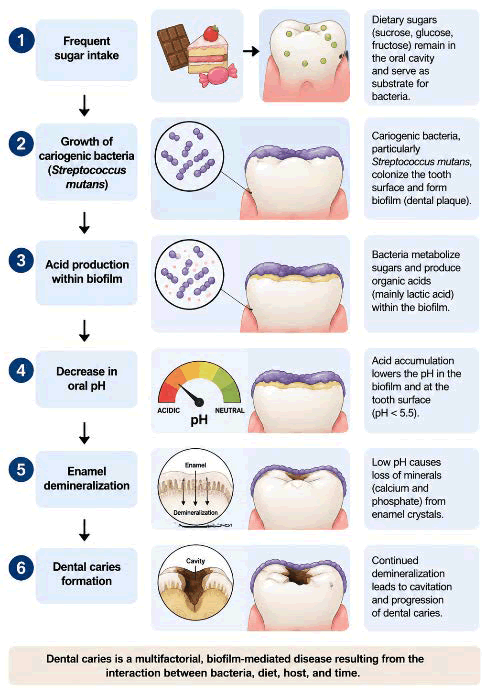
Figure 1. Mechanism of dental caries development.
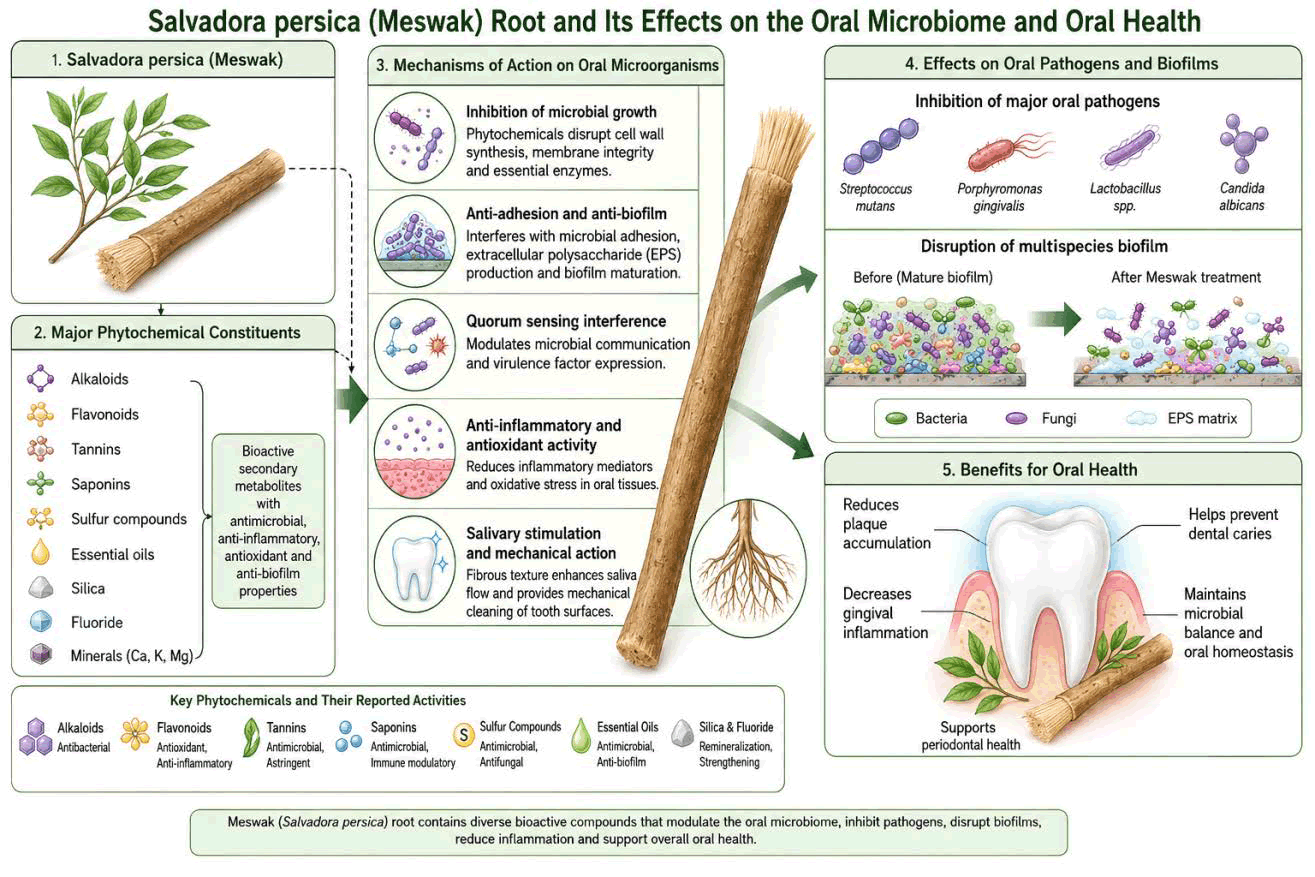
Figure 2. Antimicrobial and oral health-promoting effects of Salvadora persica (Meswak) root on the oral microbiome. 8
Antimicrobial activity of Salvadora persica against periodontal pathogens
Periodontal diseases are associated with complex microbial biofilms that develop on tooth and gingival surfaces and are characterized by persistent inflammatory responses within periodontal tissues. The composition and activity of these biofilms are influenced by interactions among microbial communities, host factors, and environmental conditions. Increasing interest has focused on medicinal plants as sources of bioactive compounds capable of modulating microbial populations and contributing to oral microbial homeostasis. Among these plants, Salvadora persica L. (Meswak) has received considerable attention because of its diverse phytochemical composition and traditional use in oral hygiene practices.
The roots of S. persica contain a wide range of secondary metabolites, including alkaloids, tannins, flavonoids, sulfur-containing compounds, saponins, essential oils, silica, and fluoride. These phytochemicals possess antimicrobial, antioxidant, anti-inflammatory, and anti-biofilm activities that may influence microbial colonization and community structure within the oral cavity. Studies have demonstrated that extracts of S. persica inhibit the growth of several microorganisms associated with periodontal biofilms, suggesting an important role for plant-derived metabolites in microbial regulation.
Among the microorganisms frequently associated with periodontal dysbiosis are Porphyromonas gingivalis, Treponema denticola, and Tannerella forsythia. These species possess virulence factors that facilitate biofilm persistence, tissue colonization, and microbial community disruption. Experimental investigations have reported that Meswak-derived extracts reduce the growth and adhesion of periodontal pathogens, thereby limiting biofilm establishment and microbial accumulation on oral surfaces.
The antimicrobial properties of S. persica are attributed to the synergistic effects of multiple phytochemicals. Sulfur-containing compounds and essential oils exhibit direct antimicrobial activity, while tannins contribute to microbial inhibition through protein precipitation and interference with microbial adhesion. Alkaloids and flavonoids may further enhance antimicrobial efficacy while providing antioxidant protection. These combined activities demonstrate the multifunctional role of plant secondary metabolites in influencing microbial ecology.
Recent studies have highlighted the importance of biofilm architecture and microbial interactions in determining oral microbial stability. Species such as Fusobacterium nucleatum function as bridging organisms that facilitate the integration of diverse microbial populations within biofilms. By interfering with microbial adhesion and extracellular matrix formation, Meswak-derived compounds may disrupt biofilm maturation and reduce the establishment of complex polymicrobial communities.
Advances in microbiome research, metabolomics, and phytochemical analysis have improved understanding of how medicinal plants interact with microbial ecosystems. These approaches have enabled the identification of specific metabolites responsible for antimicrobial and anti-biofilm activities and have provided insight into the mechanisms through which plant-derived compounds influence microbial community structure. Such findings support the development of sustainable phytotherapeutic strategies based on renewable plant resources.
Overall, Salvadora persica represents a valuable medicinal plant with significant antimicrobial potential against microorganisms associated with periodontal biofilms. Its diverse phytochemical composition and ability to modulate microbial communities highlight its importance as a natural source of bioactive compounds and underscore the broader significance of plant-derived products in microbial management and oral health applications (Tab. 1).
| Bacterial species | Ecological association | Major virulence/functional mechanisms | Potential effects of salvadora persica phytochemicals |
| Streptococcus mutans | Cariogenic biofilms | Acid production, extracellular polysaccharide (EPS) synthesis, biofilm formation | Inhibition of bacterial growth, adhesion, and EPS production |
| Lactobacillus spp. | Caries progression | Acid tolerance and organic acid production | Suppression of microbial growth and acidogenic activity |
| Actinomyces spp. | Early plaque development, root caries | Initial colonization of tooth surfaces | Reduction of microbial adhesion and plaque establishment |
| Porphyromonas gingivalis | Periodontal biofilms | Gingipain production, immune modulation, tissue degradation | Antimicrobial activity and inhibition of biofilm formation |
| Treponema denticola | Periodontal dysbiosis | Motility, tissue penetration, protease production | Interference with microbial colonization and biofilm maturation |
| Tannerella forsythia | Periodontal biofilms | Induction of inflammatory responses and epithelial disruption | Suppression of bacterial growth and microbial persistence |
| Fusobacterium nucleatum | Biofilm maturation and microbial bridging | Coaggregation with diverse microbial species | Disruption of microbial interactions and biofilm architecture |
| Prevotella intermedia | Polymicrobial periodontal communities | Proteolytic activity and inflammatory stimulation | Reduction of microbial growth and community establishment |
Table 1. Major oral bacterial species, their ecological roles, and potential targets of Salvadora persica phytochemicals.
Improving dental prevention and treatment strategies requires an understanding of the pathogenic mechanisms of oral bacteria. Probiotics, biofilm disruption technologies, and precision antibacterial strategies-all of which aim to restore oral microbial equilibrium rather than eradicate microorganisms indiscriminately are among the microbiome-targeted medicines that are increasingly the focus of modern research.
Fungal communities, oral ecology, and the antifungal potential of Salvadora persica
Fungi constitute an important component of the oral microbiome and contribute significantly to microbial diversity, ecological balance, and host–microbe interactions within the oral cavity. The oral fungal community, commonly referred to as the oral mycobiome, exists alongside bacterial populations in a dynamic ecosystem regulated by environmental conditions, microbial interactions, and host immune responses. Although fungi generally represent a smaller proportion of the oral microbiota than bacteria, they play critical roles in bioilm formation, nutrient cycling, and microbial community structure (Krüger, et al. 2019). Increasing scientific attention has focused on medicinal plants as sources of natural antifungal compounds capable of influencing fungal populations and maintaining microbial homeostasis.
Among medicinal plants, Salvadora persica L. (Meswak) has been widely recognized for its diverse phytochemical composition and long history of use in traditional oral hygiene practices. The roots of S. persica contain biologically active compounds, including alkaloids, flavonoids, tannins, sulfur-containing compounds, saponins, essential oils, silica, and various mineral constituents. These secondary metabolites exhibit antimicrobial, antifungal, antioxidant, and anti-inflammatory properties that may contribute to the regulation of fungal communities within the oral ecosystem.
Molecular studies have revealed that the oral mycobiome consists of a diverse assemblage of fungal genera, including Candida, Cladosporium, Aspergillus, Saccharomyces, Fusarium, and Cryptococcus (Ghannoum, et al. 2010). These fungi interact continuously with bacterial communities and host tissues, contributing to the overall structure and function of oral microbial ecosystems. Environmental factors such as diet, salivary composition, age, oral hygiene practices, and systemic health conditions influence fungal diversity and abundance. Under healthy conditions, fungal populations remain regulated through microbial competition, host immune surveillance, and ecological stability.
Recent evidence suggests that fungi are active participants in microbial communication networks rather than passive colonizers. Fungal species contribute to biofilm architecture, metabolic cooperation, nutrient acquisition, and signaling processes that influence the behavior of surrounding microorganisms. These ecological interactions affect microbial community composition and may determine the stability of oral microbial ecosystems. Plant-derived metabolites capable of disrupting fungal adhesion and biofilm formation therefore represent promising tools for microbial management.
Among oral fungi, Candida albicans is the most extensively studied species because of its prevalence and ability to adapt to changing environmental conditions. This dimorphic fungus can transition between yeast and filamentous forms, a characteristic associated with enhanced colonization, biofilm formation, and ecological competitiveness (Mayer, et al. 2013). Numerous studies have demonstrated that extracts derived from S. persica exhibit inhibitory effects against C. , reducing fungal growth, adhesion, and biofilm development. These antifungal activities are primarily attributed to the synergistic action of multiple phytochemicals present within the root tissues.
Tannins and flavonoids may interfere with fungal cell wall integrity and metabolic activity, while sulfur-containing compounds and essential oils exhibit direct antifungal effects against fungal cells. Alkaloids and other secondary metabolites may further contribute to growth inhibition and suppression of fungal colonization. The combined action of these phytochemicals highlights the importance of plant secondary metabolism in producing natural compounds capable of regulating fungal populations.
The antifungal properties of S. persica demonstrate the broader ecological significance of medicinal plants in influencing microbial communities. By reducing fungal growth, inhibiting adhesion, and disrupting biofilm formation, plant-derived compounds may contribute to maintaining microbial balance within complex oral ecosystems. These findings support the growing interest in renewable plant resources as sustainable alternatives to synthetic antimicrobial agents.
Advances in fungal ecology, metabolomics, and phytochemical analysis have improved understanding of the interactions between medicinal plants and microbial communities. Modern analytical approaches have facilitated the identification of bioactive metabolites responsible for antifungal activity and have provided valuable insights into the mechanisms through which plant-derived compounds influence fungal physiology and microbial ecology. Such knowledge contributes to the development of phytotherapeutic applications based on medicinal plants and their naturally occurring secondary metabolites.
Overall, Salvadora persica represents an important medicinal plant with significant antifungal potential against oral fungal communities. Its rich phytochemical profile and demonstrated biological activities highlight the role of plant-derived metabolites in microbial regulation and emphasize the importance of medicinal plants as sustainable sources of bioactive compounds for health- related applications.
Fungal pathogenicity, biofilm formation, and antifungal activities of Salvadora persica
Fungal species within the oral microbiome exist in a dynamic equilibrium with bacterial communities and host tissues. Under favorable ecological conditions, these microorganisms contribute to microbial diversity without causing disease. However, disturbances in microbial balance, environmental stressors, or alterations in host defense mechanisms can promote fungal proliferation, biofilm formation, and increased pathogenicity. Among oral fungi, Candida species are the most extensively studied due to their prevalence and ecological adaptability within the oral environment (Mayer, et al. 2013).
In addition to Candida albicans, several non-albicans Candida species, including Candida glabrata, Candida tropicalis, and Candida krusei, have been identified within oral microbial communities. These species exhibit distinct physiological characteristics and may demonstrate varying susceptibility to conventional antifungal agents. The increasing occurrence of diverse fungal species has stimulated interest in alternative antimicrobial strategies derived from natural plant resources.
The pathogenic potential of oral fungi is influenced by several biological mechanisms. Fungal adhesion to oral surfaces, epithelial tissues, and biomaterials represents a critical initial step in colonization. Adhesion is mediated by specialized surface proteins that facilitate attachment and promote subsequent biofilm development. Following attachment, fungal cells can proliferate and form highly organized biofilms embedded within extracellular polymeric matrices. These biofilms provide structural stability, facilitate microbial communication, and enhance resistance to environmental stresses.
A distinguishing characteristic of Candida albicans is its ability to undergo morphological transitions between yeast and filamentous forms. This developmental plasticity contributes to fungal persistence, ecological competitiveness, and biofilm maturation. The filamentous form enhances surface colonization and strengthens biofilm architecture, thereby increasing the resilience of fungal communities. Plant-derived compounds capable of inhibiting adhesion, morphological transition, and biofilm development are therefore of particular interest in microbial management.
Salvadora persica L. contains a diverse range of bioactive phytochemicals, including tannins, flavonoids, alkaloids, sulfur- containing compounds, saponins, and essential oils. Numerous studies have reported antifungal activity of Meswak extracts against Candida species, with inhibitory effects on fungal growth, adhesion, and biofilm formation. These activities are attributed to the synergistic action of multiple secondary metabolites that interfere with cellular integrity, metabolic processes, and microbial surface interactions.
Biofilm formation represents one of the most important ecological strategies employed by fungal microorganisms. Fungal biofilms are characterized by complex extracellular matrices that limit the penetration of antimicrobial compounds and protect resident cells from environmental challenges (Nobile and Johnson, 2015). Experimental evidence suggests that phytochemicals present in S. persica can disrupt biofilm development by reducing fungal attachment and interfering with extracellular matrix formation. Such anti-biofilm activities highlight the potential ecological role of plant metabolites in regulating microbial communities.
Fungal pathogenicity is further enhanced through the production of extracellular enzymes, including proteases, phospholipases, and lipases. These enzymes facilitate nutrient acquisition, surface colonization, and adaptation to changing environmental conditions. Antioxidant and anti-inflammatory constituents present in S. persica may contribute additional protective effects by reducing oxidative stress and supporting tissue integrity within microbial ecosystems.
Recent microbiome research has demonstrated that fungi rarely function in isolation. Instead, they participate in extensive cross-kingdom interactions with bacterial populations. Interactions between Candida albicans and bacterial species such as Streptococcus mutans have been shown to promote cooperative biofilm formation, enhance microbial persistence, and alter community structure (Koo, et al. 2018). These relationships illustrate the importance of understanding microbial ecology at the community level rather than focusing on individual species.
The ability of Salvadora persica phytochemicals to influence both bacterial and fungal populations suggests a broader role in the modulation of oral microbial ecosystems. By inhibiting microbial adhesion, suppressing biofilm development, and reducing the growth of diverse microorganisms, Meswak-derived compounds may contribute to maintaining microbial balance and ecological stability. Such findings emphasize the significance of medicinal plants as renewable sources of bioactive metabolites and support further investigation into plant–microbe interactions and phytotherapeutic applications (Tab. 2).
| Fungal species | Ecological association | Major virulence/functional mechanisms | Potential effects of salvadora persica phytochemicals |
| Candida albicans | Oral biofilms, oral candidiasis, denture-associated biofilms | Hyphal formation, biofilm production, adhesin-mediated attachment | Inhibition of fungal growth, adhesion, hyphal development, and biofilm formation |
| Candida glabrata | Opportunistic oral colonization | Stress tolerance and reduced susceptibility to antifungal agents | Suppression of fungal proliferation and biofilm establishment |
| Candida tropicalis | Oral fungal biofilms | Biofilm formation and persistence within microbial communities | Reduction of fungal adhesion and biofilm maturation |
| Candida krusei | Opportunistic fungal communities | Intrinsic resistance to several antifungal agents | Broad-spectrum antifungal activity and disruption of colonization |
| Aspergillus spp. | Environmental fungal colonizers occasionally detected in the oral cavity | Hyphal growth and tissue colonization capacity | Inhibition of fungal growth and colonization |
| Cryptococcus spp. | Opportunistic fungal populations | Capsule formation and protection from environmental stresses | Interference with fungal survival and community establishment |
Table 2. Major oral fungal species, their ecological associations, and potential targets of Salvadora persica phytochemicals.
Fungal communities are increasingly recognized as major contributors to oral disease pathogenesis and biofilm complexity. Improved understanding of the oral mycobiome may support the development of microbiome-based diagnostics, targeted antifungal therapies, and personalized approaches in preventive and restorative dentistry.
Cross-kingdom interactions in oral biofilms and the role of Salvadora persica phytochemicals
Cross-kingdom interactions refer to ecological relationships among microorganisms belonging to different biological kingdoms, particularly bacteria and fungi. Within the oral cavity, these interactions play critical roles in microbial colonization, community organization, biofilm development, and ecosystem stability. Recent advances in microbiome research have demonstrated that oral microbial communities function as highly integrated ecological networks rather than collections of isolated species (Lamont, et al. 2018). Understanding these complex microbial relationships has become increasingly important for developing sustainable approaches to microbial management, including the use of bioactive compounds derived from medicinal plants.
Among medicinal plants, Salvadora persica L. (Meswak) has attracted considerable attention because of its rich phytochemical composition and broad-spectrum antimicrobial activities. The roots of S. persica contain diverse secondary metabolites, including flavonoids, tannins, alkaloids, sulfur-containing compounds, saponins, and essential oils. These compounds exhibit antimicrobial, antifungal, antioxidant, and anti-biofilm activities that may influence microbial interactions and contribute to the maintenance of oral microbial homeostasis.
Oral biofilms are highly structured microbial communities embedded within Extracellular Polymeric Substances (EPS) that facilitate microbial adhesion, communication, and persistence. The EPS matrix provides protection against environmental stresses and supports close physical associations among microorganisms. Within these biofilms, bacteria and fungi engage in cooperative interactions involving nutrient exchange, metabolic adaptation, and signaling processes that influence community structure and function (Koo, et al. 2018). Plant-derived metabolites capable of disrupting biofilm architecture therefore represent promising tools for microbial regulation.
One of the most extensively studied examples of cross-kingdom interaction involves the association between Candida albicans and Streptococcus mutans. These microorganisms exhibit synergistic relationships that promote biofilm formation and enhance microbial persistence. S. mutans produces extracellular glucans that facilitate fungal adhesion and contribute to the establishment of mixed- species biofilms (Falsetta, et al. 2014). In turn, C. provides structural support and increases the complexity of biofilm architecture. Studies have demonstrated that extracts of S. persica can inhibit both bacterial and fungal growth, suggesting that plant-derived compounds may interfere with the formation and stability of these mixed microbial communities.
Cross-kingdom biofilms exhibit greater structural complexity and metabolic activity than single-species biofilms. These polymicrobial communities benefit from cooperative interactions that enhance nutrient acquisition, environmental adaptation, and microbial survival. Such ecological cooperation contributes to biofilm resilience and long-term persistence. The anti-biofilm properties of Meswak-derived phytochemicals may reduce microbial aggregation, inhibit extracellular matrix formation, and limit the development of complex polymicrobial structures.
Microbial communication is another essential component of cross-kingdom interactions. Quorum sensing systems regulate gene expression, community behavior, and biofilm maturation through signaling molecules produced by both bacterial and fungal populations (Krüger, et al. 2019). Fungal signaling compounds such as farnesol influence morphological development and biofilm formation, while bacterial metabolites can modify fungal physiology and behavior. Emerging evidence suggests that plant secondary metabolites may interfere with these signaling pathways, thereby reducing microbial coordination and limiting biofilm development.
Metabolic cooperation further contributes to the stability of oral microbial communities. Bacteria and fungi frequently exchange nutrients and metabolic byproducts, creating mutually beneficial relationships that support survival under fluctuating environmental conditions. Such interactions enhance community resilience and facilitate long-term colonization. The broad-spectrum antimicrobial activity of S. persica phytochemicals may disrupt these cooperative metabolic networks and reduce the persistence of pathogenic microorganisms within biofilms.
Physical interactions between microorganisms also contribute significantly to biofilm organization. Fungal hyphae can serve as scaffolding structures that facilitate bacterial attachment and spatial organization within the biofilm matrix (Jenkinson and Lamont, 2005). By reducing microbial adhesion and interfering with biofilm establishment, bioactive compounds from S. persica may influence these structural interactions and alter microbial community architecture.
Recent advances in metagenomics, transcriptomics, and metabolomics have greatly improved understanding of cross-kingdom microbial ecology. These technologies have revealed the extensive communication networks and cooperative interactions that govern microbial community behavior. Simultaneously, phytochemical investigations have identified numerous plant-derived metabolites capable of modulating microbial growth, signaling pathways, and biofilm development. Such discoveries highlight the importance of medicinal plants as sources of natural compounds for microbiome-targeted applications.
Overall, cross-kingdom interactions between bacteria and fungi are fundamental determinants of oral microbial ecology and biofilm stability. The diverse phytochemicals present in Salvadora persica demonstrate significant potential to influence microbial communication, adhesion, biofilm formation, and community composition. These findings underscore the ecological importance of plant-derived secondary metabolites and support further exploration of medicinal plants as sustainable resources for microbial management and phytotherapeutic development (Tab.3).
| Microorganisms involved | Type of interaction | Ecological consequences | Potential effects of Salvadora persica phytochemicals |
| Streptococcus mutans + Candida albicans | Synergistic biofilm formation through extracellular polysaccharide production and fungal adhesion | Enhanced biofilm biomass, increased acid production, and microbial persistence | Inhibition of microbial adhesion, suppression of biofilm development, and disruption of mixed-species interactions |
| Candida albicans + Porphyromonas gingivalis | Cooperative interaction promoting inflammatory and pathogenic responses | Increased microbial virulence and biofilm complexity | Antimicrobial and anti-inflammatory activities that may reduce microbial growth and community stability |
| Fusobacterium nucleatum + Candida spp. | Structural cooperation and biofilm stabilization | Enhanced microbial coaggregation and persistence within polymicrobial communities | Interference with microbial adhesion and disruption of biofilm architecture |
| Oral bacterial communities + fungal biofilms | Cross-kingdom communication, metabolic cooperation, and stress-response enhancement | Increased resilience, ecological stability, and resistance to environmental challenges | Broad-spectrum antimicrobial and anti-biofilm effects that may alter microbial community dynamics and reduce biofilm formation |
Table 3. Major cross-kingdom interactions in oral microbial communities and potential modulation by Salvadora persica phytochemicals.
Phytochemical modulation of oral microbial communities: Future perspectives for Salvadora persica
Recent advances in microbial ecology, metabolomics, and phytochemical research have highlighted the potential of medicinal plants as sustainable sources of bioactive compounds capable of influencing complex microbial ecosystems. Rather than indiscriminately eliminating microorganisms, contemporary approaches increasingly focus on maintaining microbial homeostasis and regulating microbial interactions through naturally derived compounds. This strategy is particularly relevant in oral microbial ecosystems, where ecological balance is essential for long-term health and microbial stability.
Salvadora persica L. (Meswak) represents an important medicinal plant with a rich diversity of secondary metabolites that contribute to its biological activities. Phytochemical investigations have identified alkaloids, flavonoids, tannins, sulfur-containing compounds, saponins, terpenoids, essential oils, and mineral constituents within root tissues. These metabolites exhibit antimicrobial, antifungal, antioxidant, anti-inflammatory, and anti-biofilm activities that may influence both bacterial and fungal populations within oral microbial communities.
The antimicrobial properties of S. persica are attributed to multiple complementary mechanisms. Plant-derived metabolites may interfere with microbial adhesion, inhibit Extracellular Polymeric Substance (EPS) production, disrupt biofilm architecture, and alter microbial signaling pathways. Such activities reduce the ability of microorganisms to establish stable polymicrobial communities while promoting a more balanced microbial ecosystem. Unlike many synthetic antimicrobial agents that target specific cellular processes, phytochemicals often act through multiple pathways simultaneously, potentially reducing the likelihood of microbial adaptation.
Recent studies suggest that plant secondary metabolites may also influence quorum sensing, a communication system that regulates microbial cooperation and biofilm development. By interfering with signaling molecules involved in bacterial and fungal 13 communication, phytochemicals from S. persica may suppress coordinated microbial behaviors associated with biofilm maturation and community persistence. These findings emphasize the ecological significance of plant metabolites in shaping microbial interactions.
The growing application of metabolomics and advanced analytical techniques has enabled the identification of specific compounds responsible for the biological activities of medicinal plants. High-Performance Liquid Chromatography (HPLC), Gas Chromatography–Mass Spectrometry (GC–MS), Liquid Chromatography–Mass Spectrometry (LC–MS), and Nuclear Magnetic Resonance (NMR) spectroscopy have facilitated the characterization of bioactive metabolites in S. persica. Such approaches provide valuable insights into the relationship between phytochemical composition and biological function.
Emerging technologies may further expand the applications of S. persica-derived compounds. Incorporation of plant metabolites into biomaterials, nanostructured delivery systems, and bioactive coatings could enhance their stability and antimicrobial efficacy. The integration of phytochemicals with modern biotechnology offers opportunities for the development of sustainable plant-based products designed to regulate microbial communities and inhibit biofilm formation.
Advances in microbiome science have also shifted attention toward ecological approaches that support beneficial microbial populations while limiting opportunistic microorganisms. Plant-derived compounds may contribute to this objective by selectively influencing microbial interactions and promoting community stability. Such microbiome-oriented strategies align with broader efforts to develop environmentally sustainable alternatives to synthetic antimicrobial agents.
Future research should focus on elucidating the molecular mechanisms underlying the interactions between S. persica metabolites and microbial communities. Investigations combining phytochemistry, genomics, transcriptomics, metabolomics, and microbial ecology will improve understanding of how plant-derived compounds influence microbial behavior, biofilm architecture, and community dynamics. These multidisciplinary approaches may facilitate the development of innovative phytotherapeutic applications and contribute to the sustainable utilization of medicinal plants.
Overall, Salvadora persica serves as a valuable model for exploring plant–microbe interactions and the ecological functions of plant secondary metabolites. Its diverse phytochemical profile and demonstrated biological activities highlight the potential of medicinal plants as renewable sources of bioactive compounds for regulating microbial ecosystems and supporting health-related applications (Tab. 4).
| Strategy | Primary target | Purpose in microbial ecosystem management |
| Antibiotics | Periodontal and pathogenic bacteria | Reduction of pathogenic bacterial populations and control of microbial overgrowth |
| Antifungal agents | Candida spp. and other fungal populations | Suppression of fungal proliferation and biofilm development |
| Chlorhexidine mouthwash | Oral biofilms | Inhibition of microbial adhesion and reduction of biofilm accumulation |
| Photodynamic therapy | Bacterial and fungal communities | Disruption of established polymicrobial biofilms through oxidative damage |
| Nanotechnology-based antimicrobials | Resistant microbial biofilms | Enhanced delivery of antimicrobial agents and improved biofilm penetration |
| Probiotics | Oral microbial dysbiosis | Promotion of beneficial microorganisms and restoration of microbial balance |
| Fluoride-based approaches | Tooth-associated biofilms and enamel surfaces | Support of enamel stability and reduction of cariogenic microbial activity |
| Oral hygiene practices | Dental plaque and microbial deposits | Prevention of excessive biofilm accumulation and maintenance of microbial homeostasis |
| Salvadora persica (Meswak) phytochemicals | Bacterial and fungal communities, biofilms, and microbial interactions | Inhibition of microbial growth, disruption of biofilm formation, modulation of microbial communication, and maintenance of ecological balance |
Table 4. Strategies for modulating oral microbial communities and their ecological significance.
Contemporary oral healthcare increasingly emphasizes preventive and microbiome-based approaches for managing oral diseases. Integrating antimicrobial therapies with biofilm disruption technologies, probiotics, and preventive clinical practices may improve long-term treatment outcomes and support the development of personalized dentistry strategies.
Conclusion
The oral microbiome represents a complex ecological system in which bacterial and fungal communities interact continuously to maintain microbial balance and ecosystem stability. The structure and function of these microbial communities are strongly influenced by interspecies and cross-kingdom interactions, biofilm formation, environmental conditions, and host-associated factors. Disruptions in these ecological relationships can alter microbial community composition and promote the establishment of pathogenic microorganisms. Consequently, understanding the mechanisms that regulate microbial homeostasis has become an important area of research in microbial ecology and health sciences.
Among medicinal plants, Salvadora persica L. (Meswak) has emerged as a valuable natural source of bioactive compounds with significant antimicrobial, antifungal, antioxidant, anti-inflammatory, and anti-biofilm properties. The roots of S. persica contain a diverse range of secondary metabolites, including alkaloids, flavonoids, tannins, sulfur-containing compounds, saponins, essential oils, silica, and mineral constituents. These phytochemicals have demonstrated the ability to inhibit microbial growth, reduce microbial adhesion, interfere with biofilm formation, and modulate microbial community interactions. Such activities highlight the ecological importance of plant-derived metabolites in regulating complex microbial ecosystems.
Current evidence indicates that S. persica phytochemicals influence both bacterial and fungal populations, including key oral microorganisms such as Streptococcus mutans, Porphyromonas gingivalis, and Candida albicans. Furthermore, the ability of these compounds to affect microbial communication pathways, biofilm architecture, and cross-kingdom interactions suggests a broader role in maintaining microbial equilibrium. These findings emphasize the significance of plant secondary metabolites as natural regulators of microbial community structure and function.
Advances in molecular microbiology, metabolomics, phytochemical profiling, and microbiome research have substantially improved understanding of plant–microbe interactions and the mechanisms through which medicinal plants influence microbial ecology. Integrating these multidisciplinary approaches will facilitate the identification of novel bioactive compounds and support the development of sustainable plant-based applications for microbial management.
Future research should focus on the molecular characterization of S. persica metabolites, elucidation of their mechanisms of action, and investigation of their effects on microbial communities using genomics, transcriptomics, proteomics, and metabolomics approaches. Such studies will provide valuable insights into the ecological functions of plant secondary metabolites and their potential applications in biotechnology, microbial regulation, and phytotherapeutic development.
Overall, Salvadora persica represents an important medicinal plant with considerable potential as a renewable source of bioactive compounds. Its rich phytochemical diversity and demonstrated biological activities underscore the broader significance of medicinal plants in microbial ecology and highlight their potential contribution to the development of sustainable, plant-based strategies for managing complex microbial communities.
References
- Besinis A, De Peralta T, Handy RD. (2014). The antibacterial effects of silver, titanium dioxide and silica dioxide nanoparticles compared with the dental disinfectant chlorhexidine on Streptococcus mutans using a suite of bioassays. Nanotoxicology. 8:1–16.
[Crossref] [Google Scholar] [PubMed]
- Bowen WH, Burne RA, Wu H, Koo H. (2018). Oral biofilms: Pathogens, matrix, and polymicrobial interactions in microenvironments. Trends Microbiol. 26:229–242.
[Crossref] [Google Scholar] [PubMed]
- Cieplik F, Deng D, Crielaard W, Buchalla W, Hellwig E, Al-Ahmad A, Maisch T. (2018). Antimicrobial photodynamic therapy – What we know and what we don't. Crit Rev Microbiol. 44:571–589.
- Devine DA, Marsh PD. (2009). Prospects for the development of probiotics and prebiotics for oral applications. J Oral Microbiol. 1:1949.
- Falsetta ML, Klein MI, Colonne PM, Scott-Anne K, Gregoire S, Pai CH, Gonzalez-Begne M, Watson G, Krysan DJ, Bowen WH, Koo H. (2014). Symbiotic relationship between Streptococcus mutans and Candida albicans synergizes virulence of plaque biofilms in vivo. Infect Immun. 82:1968–1981.
- Ghannoum MA, Jurevic RJ, Mukherjee PK, Cui F, Sikaroodi M, Naqvi A, Gillevet PM. (2010). Characterization of the oral fungal microbiome (mycobiome) in healthy individuals. PLoS Pathog. 6:e1000713.
- Hajishengallis G. (2015). Periodontitis: From microbial immune subversion to systemic inflammation. Nat Rev Immunol. 15:30–44.
[Crossref] [Google Scholar] [PubMed]
- Hajishengallis G, Lamont RJ. (2021). Polymicrobial communities in periodontal disease: Their quasi-organismal nature and dialogue with the host. Periodontol 2000. 86:210–230.
- Han YW. (2015). Fusobacterium nucleatum: A commensal-turned pathogen. Curr Opin Microbiol. 23:141–147.
[Crossref] [Google Scholar] [PubMed]
- How KY, Song KP, Chan KG. (2016). Porphyromonas gingivalis: An overview of periodontopathic pathogen below the gum line. Front Microbiol. 7:53.
[Crossref] [Google Scholar] [PubMed]
- Human Microbiome Project Consortium. (2012). Structure, function and diversity of the healthy human microbiome. Nature. 486:207–214.
- James P, Worthington HV, Parnell C, Harding M, Lamont T, Cheung A, Whelton H, Riley P. (2017). Chlorhexidine mouthrinse as an adjunctive treatment for gingival health. Cochrane Database Syst Rev. 3:CD008676.
- Jenkinson HF, Lamont RJ. (2005). Oral microbial communities in sickness and in health. Trends Microbiol. 13:589–595.
- Koo H, Allan RN, Howlin RP, Stoodley P, Hall-Stoodley L. (2017). Targeting microbial biofilms: Current and prospective therapeutic strategies. Nat Rev Microbiol. 15:740–755.
- Koo H, Andes DR, Krysan DJ. (2018). Candida-streptococcal interactions in biofilm-associated oral diseases. PLoS Pathog. 14:e1007342.
- Krüger W, Vielreicher S, Kapitan M, Jacobsen ID, Niemiec MJ. (2019). Fungal-bacterial interactions in health and disease. Pathogens. 8:70.
[Crossref] [Google Scholar] [PubMed]
- Lamont RJ, Koo H, Hajishengallis G. (2018). The oral microbiota: Dynamic communities and host interactions. Nat Rev Microbiol. 16:745–759.
- Marsh PD. (2003). Are dental diseases examples of ecological catastrophes? Microbiology. 149:279–294.
- Marsh PD, Zaura E. (2017). Dental biofilm: Ecological interactions in health and disease. J Clin Periodontol. 44:S12–S22.
[Crossref] [Google Scholar] [PubMed]
- Mayer FL, Wilson D, Hube B. (2013). Candida albicans pathogenicity mechanisms. Virulence. 4:119–128.
[Crossref] [Google Scholar] [PubMed]
- Millsop JW, Fazel N. (2016). Oral candidiasis. Clin Dermatol. 34:487–494.
- Moutsopoulos NM, Konkel JE. (2018). Tissue-specific immunity at the oral mucosal barrier. Trends Immunol. 39:276–287.
[Crossref] [Google Scholar] [PubMed]
- Moynihan P, Kelly S. (2014). Effect on caries of restricting sugars intake: Systematic review to inform WHO guidelines. J Dent Res. 93:8–18.
[Crossref] [Google Scholar] [PubMed]
- Nobile CJ, Johnson AD. (2015). Candida albicans biofilms and human disease. Annu Rev Microbiol. 69:71–92.
[Crossref] [Google Scholar] [PubMed]
- Slots J. (2017). Periodontitis: Facts, fallacies and the future. Periodontol 2000. 75:7–23.
- Socransky SS, Haffajee AD, Cugini MA, Smith C, Kent RL. (1998). Microbial complexes in subgingival plaque. J Clin Periodontol. 25:134–144.
- Takahashi N, Nyvad B. (2011). The role of bacteria in the caries process: Ecological perspectives. J Dent Res. 90:294–303.
[Crossref] [Google Scholar] [PubMed]
-
Wade WG. (2021). Resilience of the oral microbiome. Periodontol 2000. 86:113–122.