Research Article - Modern Phytomorphology ( 2026) Volume 20, Issue 3
Effect of Ficus carica fruit extract and their green synthesized selenium nanoparticles on production performance, carcass indices and serum biochemical parameters of broilers
Faisal Jameel, Muhammad Asrar*, Farhat Jabeen and Syed Makhdoom HussainMuhammad Asrar, Department of Zoology, Faculty of Life Sciences, Government College University Faisalabad, 38000, Punjab, Pakistan, Email: asrar@gcuf.edu.pk
Received: 10-Jul-2026, Manuscript No. mp-26-192460; Accepted: 21-Aug-2026, Pre QC No. mp-26-192460 (PQ); Editor assigned: 13-Jul-2026, Pre QC No. mp-26-192460 (PQ); Reviewed: 10-Aug-2026, QC No. mp-26-192460; Revised: 11-Aug-2026, Manuscript No. mp-26-192460 (R); Published: 28-Aug-2026, DOI: 10.5281/zenodo.22909150
Abstract
The present study was designed to evaluate the effects of <i>Ficus carica</i> Fruit Extract (FCFE) and its biosynthesized Selenium Nanoparticles (Se-NPs) as phytogenic dietary additive on growth performance, carcass indices, internal organ development, serum biochemical indices and lipid profile of broilers. A total of 180 one-day old broiler chicks were randomly allocated to three dietary treatment groups, each with three replicates. Birds in group A were fed a basal diet without supplementation, group B received the basal diet supplemented with 5 g/kg FCFE per kg basal diet and group C received (0.4 mg/kg) biosynthesized Se-NPs using FCFE fruit extract per kg basal diet. Growth performance was recorded throughout the experiment period, while carcass characteristics, relative organ weights and serum biochemical parameters were evaluated at the end of study trial. Data analysis revealed that dietary supplementation with FCFE and its biosynthesized Se-NPs significantly improved growth performance as compared to the control group. Dietary supplementation resulted in significant increase in serum albumin, Alkaline Phosphatase (ALP) and High Density Lipoprotein (HDL) concentrations compared to control group, whereas serum creatinine, urea and bilirubin concentrations were significantly reduced. Despite these improvements in physiological parameters dietary supplementation had no significant effects on serum total cholesterol, triglycerides, Low Density Lipoprotein (LDL), Very High Density Lipoprotein (VLDL), total protein, globulin, uric acid, carcass characteristics, and relative weights of internal body organs. These findings suggest that FCFE and its biosynthesized Se-NPs have considerable potential as natural, safe and effective plant-derived feed additives for broiler production by improving growth performance while maintaining physiological homeostasis. The biosynthesized Se-NPs exhibited particular promise as a functional feed additive due to their beneficial effects on growth performance and serum biochemical markers without inducing any adverse effect on physiology.
Keywords
Ficus carica, Selenium nanoparticles, Broilers, Phytogenic feed additive, Growth performance, Serum biochemical markers
Introduction
As a rapidly expanding agricultural enterprise, the poultry sector is a leading contributor to the global economy owning to the increasing demand for safe, high quality and protein rich poultry products. However, the rapidly growing global population poses numerous production and health related problems (Abd El-Hack, et al. 2022, Kirrella, et al. 2023). Maintaining optimal growth performance while reducing dependence on Antibiotic Growth Promoters (AGPs) is one of the primary challenges in commercial poultry production (Gao, et al. 2021). Feed formulation is a critical factor in maximizing broiler production efficacy with dietary protein and energy concentrations serving as the primary determinants of growth performance and feed utilization (Alqhtani et al., 2024) For many years Antibiotic Growth Promoters (AGPs) have been extensively employed in poultry diets as dietary supplements to enhance growth performance, feed conversion ratio and suppress pathogenic microbes to maximize economic returns (Miyakawa, et al. 2024). Despite their beneficial effects, the excessive use of Antibiotic Growth Promoters (AGPs) has become a significant global concern because it contributes to the emergence of antimicrobial-resistant bacteria, leading to restrictions on in-feed antibiotics and posing a challenge for maintaining animal health in poultry (Abou-jaoudeh, et al. 2024). Over the past several years, the European Union (EU) has officially prohibited the inclusion of Antibiotic Growth Promoters (AGPs) in poultry nutrition because of their association with antimicrobial resistance and the heightened risk of bacterial infection in consumers (Youssef, et al. 2024).
As a result considerable attention has been devoted to identifying effective alternatives that exhibit mechanisms of action comparable of those of Antibiotic Growth Promoters (AGPs) (Yang, et al. 2024). Among these, plant-derived feed additives have emerged as effective natural substitutes to AGPs, owing to their widespread use in improving growth performance, feed efficiency and improving carcass characteristics in poultry as well as other livestock species (Kamal, et al. 2023). Phytogenic Feed Additives (PFAs) are widely used as dietary supplements in poultry to improve growth performance, feed utilization efficiency and meat quality (Biwas, et al. 2024).
Medicinal plants, herbs and plant extract such as garlic, turmeric, ginger, and rosemary have been widely evaluated for their potential to enhance growth performance in broiler production (Valdez, et al. 2023).
Ficus carica (Fig) is a medicinal plant rich in diverse phytochemicals that contains a wide variety of phytochemicals that exhibit numerous pharmacological properties, including antioxidant, anti-inflammatory, antimicrobial, anti-diabetic, hepatoprotective, renoprotective and anti-cancerous properties (Surendran, et al. 2020, Hajam and Saleem 2022). For centuries, traditional medicine has relied on Ficus carica for the treatment of metabolic, respiratory, cardiovascular, endocrine, liver, skin and other chronic disorders (Abdel-Rahman, et al. 2021, Hajam and Saleem, 2022). Owing to these pharmacological properties, figs have attracted considerable attention as natural therapeutic agents and functional feed additives for promoting health status and improving overall physiological functions (Morovati, et al. 20223, Rasool, et al. 2023).
Its fruit is nutritionally rich, containing a wide variety of phytochemicals, including amino acids, minerals, vitamins, carbohydrates and organic acids, along with a diverse range of bioactive phytochemicals, such as phenolic acids, flavonoids, chlorogenic acids, anthocyanins, quercetin, catechin and gallic acid (Sandhu, et al. 2023, El-Abbasy, et al. 2025). It is an excellent source of nutrients such as calcium, manganese, magnesium, potassium, fiber and vitamins B1, B2, B6, A and C (mainly thiamin and riboflavin). These bioactive constituents provide high nutritional value and exert substantial influence in enhancing antioxidant capacity and health improving properties (Alzahrani, et al. 2024).
In recent years, nanotechnology has developed into a dynamic and rapidly advancing field, offering innovative and efficient approaches to enhance efficacy and bioavailability of dietary interventions in poultry nutrition (Saad, et al. 2022). Selenium (Se) is a vital trace element that supports antioxidant defense systems, immune function and metabolic processes (Arafa, et al. 2023, Khalid, et al. 2025). Plant derived biosynthesized selenium nanoparticles have gained substantial scientific interest because of their enhanced bioavailability, eco-friendly and cost-effective production (Mikhailova, et al. 2023). Despite the documented benefits of phytogenic additives and selenium nanoparticles individually, information regarding the use of Ficus carica fruit extract and its biosynthesized Selenium nanoparticles as growth-promoting agents in poultry industry, particularly in broilers remain limited. In light of these potential benefits and the existing knowledge gap, the present study aimed to evaluate the impact of Ficus carica Fruit Extract (FCFE)’ to ‘Fiscus carica Fruit Extract (FCFE) Fruit Extract (FCFE) and its biosynthesized Selenium Nanoparticle (Se-NPs) on growth related parameters, carcass traits and serum biochemical indices in broilers.
Materials and Methods
Fruit extracts preparation
Ripe fruit of Ficus carica were procured from food-processing factory producing value added products such as juices and jams. The fruits were thoroughly washes under running tap water, surface-sterilized with 70% ethanol, and subsequently rinsed with distilled water to remove any residual contaminants. The cleaned fruits were shade-dried for 15 days until complete dehydration. The shade-dried fruits were finely ground into a homogeneous powder using an industrial-grade grinder. For the preparation of aqueous extract, 10 g of fruit powder was suspended in 100 mL of distilled water and extracted in a horizontal water-bath skater at 60°C for 25 minutes. After extraction, the mixture was filtered through Whatman No 1 filter paper (Whatman International Ltd., UK) to remove insoluble residues. The prepared extract was subsequently stored at -18°C until further use (Hosseinpour, et al. 2022).
Phyto-mediated green synthesis of Selenium Nanoparticles (Se-NPs)
The green synthesis of Selenium Nanoparticles (Se-NPs) was conducted according to the protocol described by (Khan, et al. 2025) with slight methodological modifications. Initially, 0.263 g Sodium Selenite (Na2SeO3) was dissolved in 100 ML distilled water to prepare the precursor solution for the reduction reaction. After mixing the aqueous fruit extract with the sodium selenite solution, the pH of the reaction mixture was adjusted to 7.3 to 7.5 using a base and maintained within this range during the reaction. Subsequently, 20 mL fruit extract was added to the prepared precursor solution and the mixture was continuously stirred using a magnetic stirrer at 45°C for one hour. The reaction mixture solution was shaken at 120 rpm for 72 h under dark conditions at room temperature using an orbital shaker to facilitate the bio-reduction of selenium ions to selenium nanoparticles. After shaking the suspension was centrifuged at 15000 rpm for 20 min to collect the synthesized nanoparticles. The obtained pellet was washed twice with double-distilled water and subsequently then with ethanol to remove residual impurities. Finally, the purified Se-NPs were dried at 70°C in incubator. The dried Se-NPs powder was collected and stored until further analysis (Khan, et al. 2025).
UV-visible characterization of biosynthesized Se-NPs
The biosynthesis of selenium nanoparticles (Se-NPs) using Ficus carica fruit extract was evaluated by UV-visible spectrophotometry. After completion of the biosynthesis process, the reaction mixture was subjected to spectral analysis over the wavelength range of 200-800 nm wavelength range using Hitachi U-2800 UV-visible spectrophotometer (Hitachi High-Tech Corporation, Japan). The observed absorbance spectrum provided evidence of the reduction of Selenium ions and the formation of selenium nanoparticles.
Characterization of biosynthesized Selenium nanoparticles
Fourier Transmission Infrared Spectroscopy (FTIR): FTIR analysis was performed to identify the functional groups associated with the biosynthesized selenium nanoparticles and to assess the involvement of plant-derived phytochemicals in the synthesis and stabilization.
X-Ray Diffraction (XRD): XRD analysis was conducted to determine the crystalline nature, phase composition, and structural characterization of the biosynthesized selenium nanoparticles.
Experimental birds and study design: The feeding trial was conducted using total of 180 one-day old broiler chicks obtained from a certified commercial hatchery. A Completely Randomized Design (CRD) was employed, in which the birds were randomly allocated to three experimental dietary treatment groups. A total of 60 birds were allocated to each treatment group and subdivided into three replicates of 20 birds each. The experimental dietary treatment comprised T1, a Basal diet without any supplementary additive (Control); T2, Basal diet containing F. carica fruit extract (5 g/kg); T3, basal diet supplemented with biosynthesized Se-NPs derived from of FCFE (0.4 mg/kg). The feeding trial was conducted for 42 days. Through the experimental period, the birds were managed according to the standard commercial management practices, with ad libitum access to feed and drinking water. Vaccinations were administered according to the prescribed vaccination schedule. At the end of the 42-day trial, growth performance parameters, carcass characteristics and serum biochemical indices were evaluated.
Growth performance: Birds were weighted weekly throughout the experimental period to determine live body weight. Body weight gain was calculated as the difference between final and initial body weight. After the completion of feeding trial, one bird from each replicate was randomly selected for carcass analysis resulting in three birds per treatment. Before slaughter the live body weight of each selected bird was individually recorded before slaughter, following slaughter, the birds were allowed to bleed completely, after which the carcasses were individually weighed to determine carcass weight. The filled and empty gizzard weights, thigh weight, filled and empty Intestinal weights, weights of internal organs (liver, heart and gizzard) were determined and carcass yield and the weights of internal organs and carcass parts were expressed as percentage of live body weight (Abayomi, et al. 2025).
Blood collection and serum biochemical assessments: Following completion of the feeding trial, 6 mL blood was collected from four birds per replicate (12 birds per treatment) via the jugular vein and transferred into anticoagulant-free tubes (BD Vacutainer, Franklin Lakes NJ, USA). To isolate the serum, the blood samples were centrifuged at 3000 rpm for 20 min. The separated serum was collected and preserved at -20°C until further analyses and was used to determine blood biochemical components.
Serum lipid profile: The serum samples obtained from blood collected without anticoagulant were used to determine serum lipid profile. The serum lipid profile, including Triglyceride (TG), Total Cholesterol (TC), High-Density Lipoprotein Cholesterol (HDL-C), Low-Density Lipoprotein Cholesterol (LDL-C) and very-High Density Lipoprotein Cholesterol (VLDL-C) was determined using commercially available diagnostic kits (Zhongsheng Biochemical Company, Beijing, China).
Hepatic and renal biochemical parameters: Serum concentrations of hepatic biomarkers, including Aspartate Aminotransferase (AST), Alanine Aminotransferase (ALT), Alkaline Phosphatase (ALP), total protein, albumin, globulin and total bilirubin, as well as renal biomarkers including serum uric acid, creatinine and urea were determined using commercially available diagnostics kits (Zhongsheng Biochemical Company, Beijing, China).
Data analysis: Statistical analyses of the collected experimental data were performed using International Business Machines (IBM) Statistical Product and Service Solutions (SPSS) statistics version 27. Treatment effects were assessed using one-way Analysis Of Variance (ANOVA) under a Completely Randomized Design (CRD). When a significant treatment effect was detected, Tukey’s post hoc multiple-comparison test was used to determine differences among treatment means. Statistical significance was declared p ≤ 0.05 for comparison among treatment means.
Results
UV-Spectrophotometry
UV-visible analysis of Se-NPs biosynthesized using Ficus carica fruit extract revealed a pronounced absorption peak at approximately 296 nm. The appearance of these absorption bands showed the connection of plant-derived functional groups in the decrease and stabilization of Selenium Nanoparticles (Se-NPs). The increase in absorbance towards the maximum peak indicated nanoparticle formation (Fig. 1).
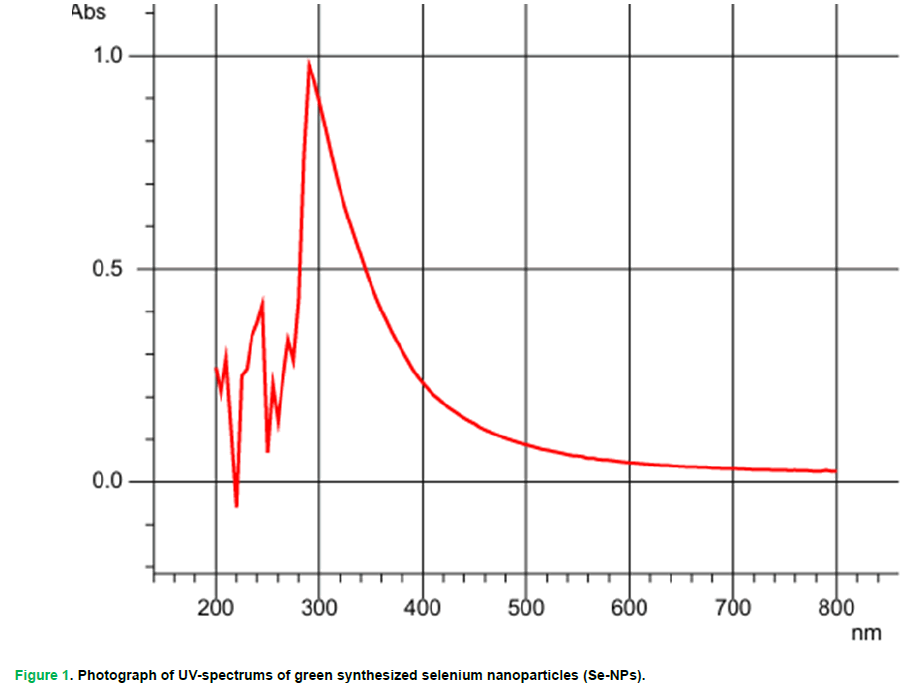
Figure 1: Photograph of UV-spectrums of green synthesized selenium nanoparticles (Se-NPs).
Fourier Transmission Infrared Spectroscopy (FTIR)
FTIR spectroscopy was performed to identify the functional groups involved in the synthesis and stabilization of Ficus carica-mediated biosynthesized selenium nanoparticles. The FTIR spectrum of the synthesized selenium nanoparticles showed distinct absorption bands at 2992, 1638, 1404 and 618 cm-1, indicating the involvement of phytochemicals constituents of Ficus carica in nanoparticles formation and surface stabilization. The broad band at 3332 cm-1 may be attributed to hydroxyl-rich biomolecules, particularly phenolic compounds, which are commonly associated with the reducing potential of plant extract. The band 2924 cm-1 corresponds to aliphatic C-H vibrations, suggesting the presence of organic biomolecules absorbed on nanoparticles surface. The absorption peak observed at 1638 cm-1 observed at 1638 cm-1 may be related to carbonyl or amide associated vibrations, indicating the possible contributions of proteins, polyphenols or other bioactive compounds during capping and stabilization of Se-NPs. Similarly, the bands at 1404 cm-1 and 1078 cm-1 can be linked with carboxylate, C-O and C-O-C vibrations, further supporting the attachment of plant-derived metabolites to the selenium nanoparticle surface. The low-frequency band 618 cm-1 may be associated with selenium-related vibrations or metal-biomolecules interactions (Fig. 2).
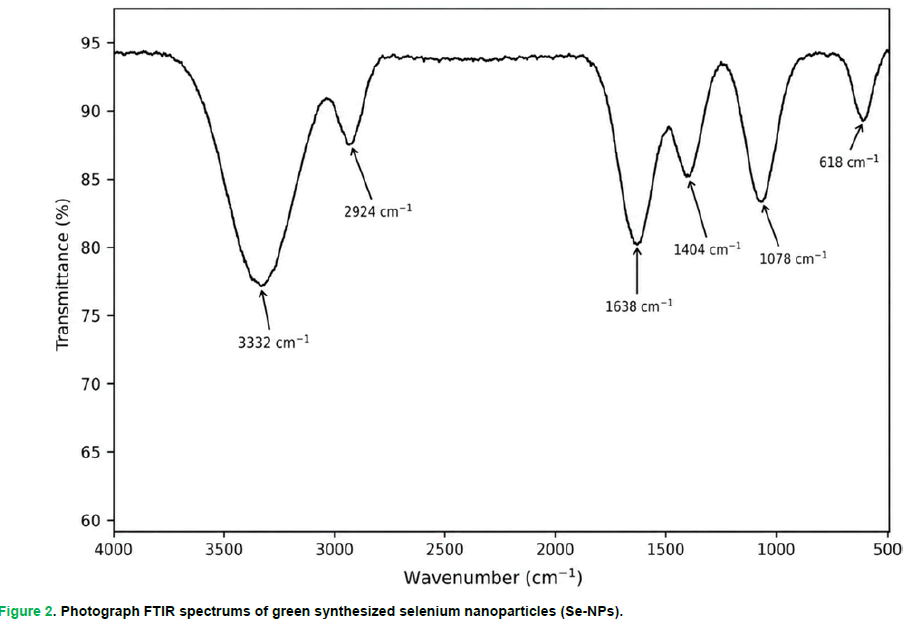
Figure 2: Photograph FTIR spectrums of green synthesized selenium nanoparticles (Se-NPs).
X-Ray Diffraction (XRD)
X-ray diffraction (XRD) pattern of the selenium nanoparticles synthesized using Ficus carica fruit extract showed distinct diffraction peak at 20°C, 23.5o, 29.7o, 43.7o, 51.8o and 61.5o, confirming the formation of a crystalline selenium nanostructures. The presence of these well-defined reflections indicates that the biosynthesized nanoparticles possess an ordered internal arrangement rather than a completely amorphous structure. The relatively sharp diffraction maxima further suggest successful nucleation and growth of selenium nanoparticles during the synthesis process. The observed peak profile also reflects the Nano scale nature of material. In nanoparticles system, peak broadening is commonly associated with small crystalline size, while the moderate background signal may be attributed to plant-derived organic molecules absorbed on the nanoparticles surface. In the present case, such biomolecules from Ficus carica extract likely acted not only as reducing agents but also as stabilizing/capping agents, which may explain the coexistence of crystalline reflections with a slightly broadened baseline. This behavior is typical from green-synthesis nano-material, where a crystalline inorganic core is surrounded by an organic phytochemical layer (Fig. 3).
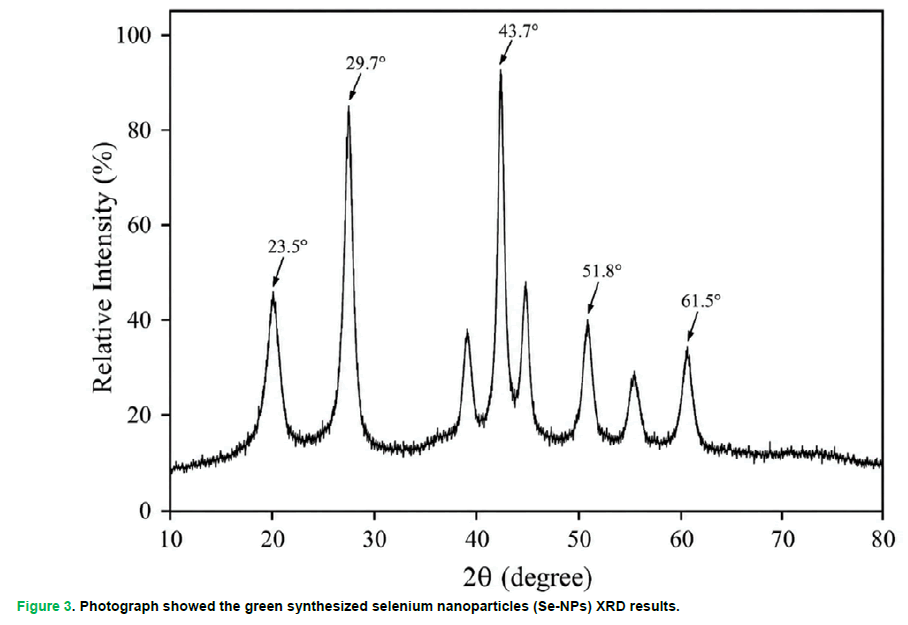
Figure 3: Photograph showed the green synthesized selenium nanoparticles (Se-NPs) XRD results.
Influence of dietary supplements on growth performance
The impact of various dietary treatments on growth parameters of broilers is presented in Tab. 1. Initial body weight of birds did not differ significantly among the treatment groups, indicating comparable baseline body weights at the beginning of the experiment. At the end 1st, 2nd, 4th, 5th and 7th weeks of experiment significant difference in body weight were observed among the treatment groups. The highest final body weight (2691.50 ± 82.10) and overall body weight gain (2649.33 ± 82.10) were observed in group C, whereas the control group exhibited the lowest value.
| TG | IBW | W1 | W2 | W3 | W4 | W5 | W6 | W7 | BWG |
|---|---|---|---|---|---|---|---|---|---|
| A | 41.1 ± 0.6 | 171.3 ± 4.9 | 402.4 ± 10.8 | 721.6 ± 16.88 | 1172.8 ± 51.9 | 1656.3 ± 62.3 | 2213.5 ± 76.0 | 2541.3 ± 85.5 | 2500.2 ± 85.5 |
| B | 41.7 ± 0.7 | 170.7 ± 4.5 | 401.6 ± 12.8 | 715.5 ± 15.51 | 1226.3 ± 34.4 | 1796.0 ± 33.2 | 2231.5 ± 32.8 | 2594.5 ± 45.9 | 2552.8 ± 45.9 |
| C | 42.2 ± 0.6 | 172.7 ± 5.5 | 406.8 ± 18.1 | 726.8 ± 63.98 | 1327.8 ± 43.8 | 1844.8 ± 56.5 | 2284.6 ± 63.6 | 2691.5 ± 82.1 | 2649.3 ± 82.1 |
| p-V. | 0.7 | 0.02 | 0.01 | 0.17 | 0.001 | 0.006 | 0.4 | .05 | 0.05 |
Note: TG: Treatment Groups, A: Control group, B: Ficus carica fruit extract, C: Ficus carica Se-NPs, P value (P>0.05) was considered as nonsignificant, P value (P ≤ 0.05) was considered significant, IBW: Initial Body Weight (g), BWG: Body Weight Gain (g), Data was represented as mean ± Standard Error (SE), p-V. (P-value)
Table 1. Influence of various dietary treatments on growth performance of broilers.
Carcass characteristics and organ weights
The impact of various supplementary diets on carcass traits and relative weight of internal organs of broilers are summarized in Tab. 2. Data analysis demonstrated that body weight, carcass weight, intestinal weight, filled and empty gizzard weights, thigh weight, drumstick weight and the weights of internal body organs including the liver and heart were non-significantly affected by dietary supplementation. The numerically highest body weight (3000.0 ± 220.0) and carcass weight (1950 ± 120.0) were observed in group C.
| TG | BW | Carcass | Liver | Heart | Intestine | Gizzard (filled) | Gizzard (Empty) | Thigh | Drum stick |
|---|---|---|---|---|---|---|---|---|---|
| A | 2860.0 ± 80.0 | 1760.0 ± 70.0 | 72.0 ± 2.0 | 20.50 ± 0.5 | 208.0 ± 20.0 | 63.5 ± 0.5 | 36.50 ± 2.5 | 131.0 ± 27.0 | 133.0 ± 3.0 |
| B | 2620.0 ± 140.0 | 1630.0 ± 30.0 | 59.0 ± 1.0 | 21.0 ± 1.0 | 193.0 ± 5.0 | 52.0 ± 2.0 | 38.0 ± 6.0 | 117.0 ± 7.0 | 136.0 ± 2.0 |
| C | 3000.0 ± 220.0 | 1950 ± 120.0 | 70.0 ± 6.0 | 20.0 ± 0.7 | 172.0 ± 40.0 | 58.0 ± 10 | 43.0 ± 1.0 | 134.0 ± 4.0 | 123.0 ± 15 |
| p-V. | 0.3 | 0.1 | 0.4 | 0.7 | 0.8 | 0.06 | 0.3 | 0.6 | 0.1 |
Note: TG: Treatment Groups, A: Control group, B: Ficus carica fruit extract, C: Ficus carica-mediated Se-NPs, p-value (p>0.05) were considered as non-significant, P value (P ≤ 0.05) was considered significant BW: Body Weight (g), Data was represented as mean ± Standard Error (SE), p-V. (P-value).
Table 2. Influence of various dietary treatments on carcass traits and internal body organs of broilers.
Effects of dietary treatments on renal function
The impact of various dietary additives on renal biomarkers of broilers is presented in Tab. 3. Serum Creatinine and urea concentrations were significantly lower in the supplemented groups than the control group. The lowest Creatinine (0.365 ± 0.06) and urea (26.50 ± 2.50) concentrations were observed in groups C, which received Ficus carica-mediated Se-NPs. Statistical analysis revealed that serum uric concentration did not differ significantly among the treatment groups, however, the numerically highest value (7.5 ± 0.04) was observed in the control group.
| Groups | Creatinine (mg/dl) | Urea (mg/dl) | Uric acid (mg/dl) |
|---|---|---|---|
| A | 0.850 ± 0.050 | 36.0 ± 1.50 | 7.5 ± 0.04 |
| B | 0.480 ± 0.090 | 32.0 ± 1.00 | 7.2 ± 0.3 |
| C | 0.365 ± 0.065 | 26.5 ± 2.50 | 6.7 ± 0.2 |
| p-value | 0.01 | 0.03 | 0.7 |
Note: A: Control group, B: Ficus carica fruit extract, C: Ficus carica-mediated Se-NPs, p-value (p>0.05) were considered as non-significant, P value (P ≤ 0.05) was considered significant BW: Body weight, Data was represented as mean ± Standard Error (SE).
Table 3. Impact of various dietary treatments on renal biomarkers of broilers.
Impact of dietary treatment on hepatic function
The influence of various dietary inclusions on liver performance of broilers is presented in Tab. 4. The results showed that Serum total bilirubin concentration differed significantly among the treatment groups, with the lowest value (0.658 ± 0.05) observed in group C. The concentration of Alanine Aminotransferase (ALT) and Aspartate Aminotransferase (AST) enzymes did not differ significantly among the treatment groups, whereas ALP concentration was significantly higher in the supplemented groups. The highest Alkaline Phosphatase (ALP) concentration (192.50 ± 5.50) was observed in groups C. Serum total protein and globulin concentrations did not differ significantly among the treatment groups, whereas albumin concentration differed significantly. The highest albumin concentration (5.00 ± 0.10) was recorded in group C.
| Groups | TB (mg/dl) | ALT (U/L) | AST (U/L) | ALP (U/L) | T.P (g/dl) | Albumin (g/dl) | Globulin (g/dl) |
|---|---|---|---|---|---|---|---|
| A | 0.855 ± 0.05 | 20.00 ± 1.0 | 28.50 ± 3.5 | 153.5 ± 4.5 | 6.2 ± 0.10 | 3.5 ± 0.05 | 2.6 ± 0.15 |
| B | 0.754 ± 0.04 | 29.00 ± 7.0 | 30.00 ± 0.9 | 183.5 ± 5.5 | 6.9 ± 0.15 | 4.9 ± 0.05 | 2.0 ± 0.10 |
| C | 0.658 ± 0.05 | 36.50 ± 6.5 | 31.00 ± 2.0 | 192.5 ± 5.50 | 7.2 ± 0.05 | 5.0 ± 0.10 | 2.2 ± 0.15 |
| p-value | 0.03 | 0.5 | 0.1 | 0.005 | 0.1 | 0.03 | 0.4 |
Note: ALP: Alanine Phosphatase; ALT: Alanine Transaminase; AST: Aspartate Aminotransferase; T.P: Total Protein; TB: Total Bilirubin, A: Control group, B: Ficus carica fruit extract, C: Ficus carica-mediated Se-NPs, p-value (p>0.05) was considered as a non-significant, P value (P ≤ 0.05) was considered significant, Data were represented as mean ± Standard Error (SE).
Table 4. Influence of various dietary treatments on liver performance of broilers.
Influence of various supplementary diets on serum lipid parameters of broilers
The effect of dietary supplements on serum lipid profile of broilers was presented in Tab. 5. Serum Cholesterol, triglycerides, LDL and VLDL did not differ significantly among the treatment groups. Serum HDL level was significantly higher in the treatment groups with the highest value (118.0 ± 3.0) observed in group C.
| Groups | Cholesterol (mg/dl) | TG (mg/dl) | HDL (mg/dl) | LDL (mg/dl) | VLDL (mg/dl) |
|---|---|---|---|---|---|
| A | 164.0 ± 4.0 | 132.5 ± 5.5 | 31.7 ± 0.7 | 104.0 ± 2.0 | 26.0 ± 1.0 |
| B | 166.5 ± 8.5 | 165.0 ± 11.5 | 39.2 ± 2.1 | 109.0 ± 2.0 | 33.5 ± 0.5 |
| C | 175.0 ± 14.0 | 157.5.5 ± 7.5 | 42.1 ± 0.8 | 118.0 ± 3.0 | 31.5 ± 1.5 |
| P value | .9 | .06 | .01 | .5 | .3 |
Note: A: Control group, B: Ficus carica fruit extract, C: Ficus carica-mediated Se-NPs, TG: Triglycerides, HDL: High Density Lipids, LDL: Low Density Lipids, VLDL: Very Low Density Lipoprotein, p-value (p>0.05) was considered as a non-significant, P value (P ≤ 0.05) was considered significant, Data was represented as Mean ± Standard Error (SE).
Table 5. Influence of different dietary supplements on Lipid profile of broilers.
Description
Growing concerns regarding antimicrobial resistance and restrictions on the use of Antibiotic Growth Promoters (AGPs) have increased interest in safe, sustainable and effective alternatives for poultry production. phytogenic feed additives and nano-formulated dietary including selenium nanoparticles have emerged as promising approaches because of their potential to improve nutrient utilization and growth performance in broilers. Antibiotic growth promoters have traditionally been incorporated into poultry diets to improve growth performance feed efficiency (Miyakawa, et al. 2024). Assessment of serum biochemical profiles provides valuable information regarding the physiological and metabolic status of broilers subjected to different nutritional strategies. Consequently, these biomarkers are extensively utilized to determine the efficacy and biosafety of newly developed dietary supplements (Obianwuna, et al. 2024).
The results of present study demonstrated that, dietary inclusion of Ficus carica fruit extract and its biosynthesized Selenium nanoparticles significantly improved growth performance in the supplementary groups, whereas, group C showed the highest final body weight. These findings are consistent with those reported by Lu, et al. 2025, who demonstrated that fig polysaccharides improved productive performance in broilers. Likewise, Gazwi et al. 2022 and Deng, et al. 2022 reported that Cichorium intybus, Origanum vulgare based additives, as well as probiotic-mediated Se-NPs significantly improved production performance in broilers. In-contrast, Wang, et al. 2021 and AL-Khalifa, et al. 2025 reported that phytogenic feed additives as well as organic and inorganic nano-selenium did not significantly affect growth performance. Furthermore Makwana, et al. 2017 and Bakhshalinejad, et al. 2019 reported that Garlic (Allium sativum) extract alone or in combination with Fenugreek (Trigonella-gracum) and dietary Se-NPs reduced growth performance in broilers.
The growth-promoting effect of Ficus carica fruit extract may be associated with its rich nutritional composition and bioactive constituents, including phenolic compounds, flavonoids, anthocyanins, polysaccharides. Previous studies have suggested that these bioactive compounds may possess antioxidant and gut-modulating properties that could potentially support nutrient utilization and growth performance (Mopuri, et al. 2018). In addition, the bioactive compounds present F. carica including polysaccharides have been reported in previous studies to exhibit immune-modulatory and anti-inflammatory activities such properties may contribute indirectly to improved growth performance (Lu, et al. 2025). Similarly, the beneficial effects of biosynthesized Se-NPs may be associated previously reported improvements in intestinal morphology, particularly villus height, nutrient absorption and energy utilization (Ahmad, et al. 2022). Moreover, Selenium is essential component of numerous selenoproteins involved in antioxidant defense and redox regulation and may contribute to protein deposition and productive traits in broilers (Al-Quwaie, et al. 2023).
Regarding carcass traits, the results indicated that dietary supplementation did not significantly affect carcass characteristics and internal organs weights, despite the improvement in growth performance. These findings are consistent with earlier studies showing that phytogenic additives including, thyme and ginger, their nano-formulations and Se-NPs do not significantly affect carcass traits in broilers (Abd-El-Hack, et al. 2024, Hassan, et al. 2024). Similarly Bakhshalinejad, et al. 2019 and Pasaribu, et al. 2024 reported that supplementation with different selenium sources including organic, inorganic and Curcumin turmeric did not affect carcass traits. However, these results differ from those of Rastad, 2020 and Tufan, et al. 2023, who conclude the significant improvements with garlic powder and fig seeds in carcass parameters of broilers. Such discrepancies may be attributed to differences in the type and level of plant-derived feed additives, source of selenium, basal diet composition, bird age and experimental conditions (Chen, et al. 2014). Previous studies suggest that plant base feed additives and selenium nanoparticles mainly improve physiological performance rather than carcass indices and internal organ weights, unless they promote muscle protein deposition (Alsulami, et al. 2023). Furthermore, carcass traits are generally less responsive to dietary interventions than growth performance, which is more directly affected by nutrient availability and utilization (Strifler, et al. 2023). Therefore, the improved growth performance observed in the present study was not accompanied by significant changes in the measured carcass characteristics and relative organ weight.
Liver and kidney performance provide valuable information regarding dietary quality, nutrient utilization of broiler chickens (Xi, et al. 2020). In the present study, serum creatinine and urea concentration were significantly reduced by dietary supplementation, whereas Uric acid concentration remained unaffected. These findings agree with previous studies reported reduced Creatinine, urea levels following dietary inclusion of phytogenic feed additives or herbal (amla, chicory, and leek) extracts (Oke, et al. 2017, Ghanima, et al. 2023, Abo, et al. 2023). In contrast, Al-Khalifa, et al. 2020, Ragaa, et al. 2016 and Gumus, et al. 2023 reported no significant changes of herbal feed additives (leek leaf, thyme powder, thyme oil and thyme and rosemary oil) in broiler chickens. Elevated blood serum level of urea, uric acid and creatinine associated with renal dysfunction and enhanced protein catabolism (Bideshki, et al. 2023). The reductions in serum creatinine, urea concentrations observed in the present study suggest that F. carica Fruit Extract (FCFE) and its biosynthesized (Se-NPs) may exert beneficial effects on renal biochemical status in broilers. These effects may be associated with the abundant antioxidant properties of F. carica fruit which contains various flavonoids, phenolic acid, anthocyanins and other bioactive compounds, including quercetin, gallic acid, caffeic acid, vanillic acid, syringic acid and p-coumaric acid which reduce oxidative stress, protect renal tissues, exhibit anti-inflammatory properties through modulation of inflammatory mediators which may help to improve nephron and improving kidney function (Badgujar, et al. 2014, Alamgeer, et al. 2017). Consistent with present finding Dammati, et al. 2021 reported that FCFE reduced serum creatinine, urea and uric acid levels in an ethylene glycol induced renal injury models. Similarly, biosynthesized Se-NPs may enhance renal function by suppressing oxidative stress, inhibiting lipid peroxidation, and preserving glomerular and tubular integrity, thereby facilitating the clearance of nitrogenous waste product (Huang, et al. 2019). Therefore, reduced serum concentration of renal biomarkers which is also observed in present study may indicate improved renal function and metabolic efficiency (Abubakar, et al. 2023).
Regarding hepatic biochemical parameters, serum Alkaline Phosphatase (ALP) concentration increased significantly and total bilirubin concentration decreased significantly, whereas AST, ALT, total protein and globulin remained unaffected among the treatment groups. These findings are consistent with earlier reports indicating that plant-derived feed additives including spice extract, black cumin, buckwheat and honey weed as well as Se-NPs did not significantly affect hepatic enzymes in broilers (Flees, et al. 2021, Herrero-Encinas, et al. 2023, Alhasani, et al. 2025). Similarly, Reda, et al. 2024 reported that Se-NPs improved serum biochemical parameters while reducing bilirubin accumulation. In contrast to these findings Al-Quwaie, 2023, Singh, et al. 2022, Oso, et al. 2023, Fayed, et al. 2024 and Al-Khalifa, et al. 2025, who observed significant reductions or alterations in AST and ALT concentrations following supplementation with various phytogenic feed additives (Piper betle, Piper nigrum, Aerva lanata, Cynodon dactylon, Terminalia bellirica and Andrographis).The hepato-protective properties of F. carica Fruit Extract (FCFE) Fruit Extract (FCFE) may be attributes to abundance of antioxidant phytochemicals including polyphenols and quercetin which reduces oxidative stress and protect hepatic cells from injury and improve liver metabolic function (Aghel, et al. 2011). In addition, phytogenic compounds have been shown to improve liver biochemical parameters, including reduced bilirubin concentration indicating enhanced hepatic metabolic function (Abedin, et al. 2021), while anti-inflammatory effects of FCFE contribute in hepatic homeostasis (Hajam, et al. 2022). Similarly, biosynthesized Se-NPs improve antioxidant defense system by serving as a component of selenoproteins, such as glutathione peroxidase and thioredoxin reductase, which neutralize reactive oxygen species and protect hepatocytes, thereby maintaining normal liver physiology (Hosseintabar-Ghasemabad, et al. 2024). Moreover, the reduced bilirubin levels indicated improves hepatic function, while elevated level of ALP reflect enhanced metabolic osteoblastic activity rather than pathological damage (Aikpitanyi and Egweh, 2020). Elevated serum activities of AST and ALT activities may indicate hepatic or tissue injury, whereas lower serum enzyme levels reflect better liver integrity (Sang, et al. 2023).
Serum proteins are essentially synthesized in the liver and regulate various metabolisms (Baral, 2025). In the present study F. carica Fruit Extract (FCFE) and its biosynthesized Se-NPs significantly increased serum albumin concentration, whereas total proteins and globulin concentration remained unaffected. These findings are accordance with Ren, et al. 2025 and Fawaz, et al. 2025, who concluded that various phytogenic additives non-significantly influence serum proteins indicating the absence of any adverse effect on protein metabolism. Furthermore Eid, et al. 2023 and Ferroudj, et al. 2026, who reported that biosynthesized Se-NPs improved albumin level while supporting normal protein metabolism. In contrast to current results, Sugiharto, et al. 2024 and Azodo, et al. 2021 reported that Eucommia ulmoides leaf extract and Negro pepper significantly influence serum protein levels in broilers. Similarly, Alsulami, et al. 2023 concluded that Se-NPs synthesized from bacteria significantly influenced the protein metabolism in broilers and quails. The observed increase in serum albumin concentration may be associated with the antioxidant and potential hepatoprotective properties of F. carica Fruit Extract (FCFE), which contains abundant amount of phenolic compounds and flavonoids that scavenge free radicals, protect hepatocytes from oxidative damage which may enhance liver efficacy which supporting proteins synthesis (Teruel-Andreu, et al. 2021, Zulfiqar, et al. 2026). In addition, the antioxidant and immune-modulatory effects of phytogenic phytochemicals and biosynthesized Se-NPs may enhance immune competence without overstimulation, contributing the maintenance of normal globulin level and improved serum protein profile (Vlaicu, et al. 2021, Al-Quwaie, et al. 2023, Abd El-Hack, et al. 2024).
The present investigation demonstrated a significant increase in serum HDL whereas total cholesterol, triglycerides, LDL, and VLDL remained un-effected. These findings are comparable with (Ren, et al. 2023), who reported that turmeric based additives enhance serum HDL level in broilers and Nantapo, et al. 2024, who concluded that moringa based supplementation improve health without altering serum lipid parameters. Similarly, Khan, et al. 2025 and Mohammad, et al. 2022 demonstrated that Sprulina plantensis derived biosynthesized Se-NPs improve antioxidant system and immunity level without effecting lipid metabolism. In contrary to present findings, Noori, et al. 2024 and Musekiwa, et al. 2026 concluded that coriander seed, Peppermint leaf and Neorautanenia brachypus based dietary additives significantly reduced serum lipid parameters. The increased in HDL concentration may be associated with the antioxidant properties of phytochemicals of fig fruit and biosynthesized Se-NPs which may help protect lipoproteins from oxidative damage and maintain HDL functionality (Hajam and Saleem, 2022, Hossein-Ghasemaba, et al. 2022). These bioactive compounds may contribute to the modulation of cholesterol metabolism and reverse cholesterol transport, potentially involving pathways associated with apolipoprotein A-1(ApoA-1), ATP-Binding Cassette transporter A1 (ABCA1), ATP-Binding Cassette subfamily G member 1 (ABCG1), Liver X Receptor (LXR) and PPARs signaling, which may facilitate cholesterol efflux and contribute to increased circulating HDL levels (Joerin, et al. 2013, Millar, et al. 2017). Moreover, phytogenic compounds act as metabolic modulators, regulate key enzymes involved in lipid metabolism such as HMG-CoA reductase and Acetyl-CoA carboxylase, while unsaturated fatty acids present in fig fruit further support lipid mobilization and HDL formation without affecting other lipid parameters (Tan, et al. 2022, Irchad, et al. 2023, Fayyaz, et al. 2024). The combined antioxidant and anti-inflammatory properties of Plants phytochemicals and biosynthesized Se-NPs may suppress inflammatory cytokines and oxidative stress thereby promoting lipid homeostasis Darmawan, et al. 2024. Consequently, the significant increase in HDL concentration, together with the absence of significant changes in total cholesterol, triglyceride, LDL, and VLDL concentrations, suggests that the dietary supplements may selectively influence lipid metabolism rather than exert a broad hypolipidemic effect (Ding, et al. 2023, Darmawan, et al. 2024).
Conclusion
Dietary supplementation with Ficus carica Fruit Extract (FCFE) and its biosynthesized Selenium Nanoparticles (Se-NPs) improved growth performance in broilers without adversely affecting most of the measured serum biochemical parameters. The increase in serum albumin, ALP, HDL concentrations together with reductions in Creatinine, urea and total bilirubin concentration indicates that dietary supplementation may influence selected biochemical indicators of protein renal, hepatic and lipid metabolism. Overall, FCFE-mediated biosynthesized Se-NPs show potential as phytogenic dietary supplement for improving growth performance in broilers and may represent a promising alternative to conventional antibiotic growth-promoting strategies. Further studies involving larger experimental populations, comprehensive safety assessments, and long-term evaluations are warranted to establish their suitability as an alternative to antibiotic growth promoting feed additives in poultry production.
Conflict of Interest
The authors declare that there are no conflicts of interest regarding the publication of this manuscript.
Acknowledgement
The authors gratefully acknowledge the support and facilities provided by the Department of Zoology, Government College University Faisalabad, Pakistan, for conducting this research. The authors also extend their appreciations to the laboratory and technical staff for their assistance during the experimental trial and sample analysis.
Ethical Approval
The experimental protocol was reviewed and approved by the Ethical Review Committee of Government College University Faisalabad, Pakistan, ERC approval no. 596-A.
References
- Abd El-Hack ME, Ashour EA, Baset SA, Kamal M, Swelum AA, Suliman GM, Bassiony SS. (2024). Effect of dietary supplementation of organic selenium nanoparticles on growth performance and carcass traits of broiler chickens. Biol Trace Elem Res. 202:3760-3766.
[Crossref] [Google Scholar] [PubMed]
- Abdel-Rahman R, Ghoneimy E, Abdel-Wahab A, Eldeeb N, Salem M, Salama E, Ahmed T. (2021). The therapeutic effects of Ficus carica extract as antioxidant and anticancer agent. S Afr J Bot. 14:273-277.
- Abedin MT, Sujon MN, Islam MN, Sadiq SR, Sayed MA. (2021). Phytogenic feed additive influences on the growth performances, serum lipid profile, liver functions and antibacterial activity of broiler chicks. Int J Poult Sci. 20:188-198.
- Abo Ghanima MM, Aljahdali N, Abuljadayel DA, Shafi ME, Qadhi A, Abd El-Hack ME and Mohamed LA. (2023). Effects of dietary supplementation of amla, chicory and leek extracts on growth performance, immunity and blood biochemical parameters of broilers. Ital J Anim Sci. 22:24-34.
- Abou-Jaoudeh C, Andary J, Abou-Khalil R. (2024). Antibiotic residues in poultry products and bacterial resistance: A review in developing countries. J Infect Public Health. 17:102592.
[Crossref] [Google Scholar] [PubMed]
- Aghel N, Kalantari H, Rezazadeh S, Galehdari, H. (2011). Hepatoprotective effect of Ficus carica leaf extract on mice intoxicated with carbon tetrachloride. Iran J Pharm Res. 10:63-68.
[Google Scholar] [PubMed]
- Ahmad N, Hussain SM, Azam SM, Shahzad MM, Noureen A, Yaqoob R, Ahmad, S. (2022). Effects of Se nanoparticles supplementation on growth performance, hematological parameters and nutrient digestibility of Labeo rohita fingerling fed sunflower meal based diet. Braz J Biol. 84:253555.
[Crossref] [Google Scholar] [PubMed]
- Alagawany M, Elnesr SS, Farag MR, Tiwari R, Yatoo MI, Karthik K, Dhama, K. (2021). Nutritional significance of amino acids, vitamins and minerals as nutraceuticals in poultry production and health-a comprehensive review. Veterinary Quarterly. 41:1-29.
[Crossref] [Google Scholar] [PubMed]
- Alamgeer I, Asif H, Saleem M. (2017). Evaluation of antihypertensive potential of Ficus carica fruit. Pharm Biol. 55:1047-1053.
[Crossref] [Google Scholar] [PubMed]
- Alhasani RH. (2025). Impact of dietary supplementation with biological zinc, selenium nanoparticles, and their combination on growth, carcass characteristics, blood parameters, and meat quality in broiler chickens. J Adv Vet Anim Res. 12:539.
[Crossref] [Google Scholar] [PubMed]
- Al-Khalaifah HS, Badawi ME, Abd El-Aziz RM, Ali MA, Omar AE. (2020). Effect of Egyptian leek leaf extract supplementation on productive and economic performance of broilers. Front Vet Sci. 7:584921.
[Crossref] [Google Scholar] [PubMed]
- Al-Khalaifah H, Naz S, Al-Atiyat R, Khan RU, Abudabos A, Alhidary IA. (2025). Eco-friendly selenium nanoparticles from Capsicum annuum: Impact on growth efficiency, blood biochemistry, immune response, intestinal morphology, and profitability in broiler chickens. Poult Sci. 104:105915.
[Crossref] [Google Scholar] [PubMed]
- Al-Quwaie DA, Elazab ST, Abdel-Moneim AE, Alghamdi S, Al-Garadi MA, Qasem MAA. (2023). The influence of bacterial selenium nanoparticles biosynthesized by Bacillus subtilus DA20 on blood constituents, growth performance, carcass traits, and gut microbiota of broiler chickens. Poult Sci. 102:102848.
[Crossref] [Google Scholar] [PubMed]
- Alsulami MN, El-Saadony MT. (2023). Supplementing broiler diets with bacterial selenium nanoparticles enhancing performance, carcass traits, blood indices, antioxidant status, and caecal microbiota of Eimeria tenella-infected broiler chickens. Poult Sci. 102:103111.
[Crossref] [Google Scholar] [PubMed]
- Alzahrani MY, Alshaikhi AI, Hazzazi JS, Kurdi JR, Ramadan MF. (2024). Recent insight on nutritional value, active phytochemicals, and health-enhancing characteristics of fig (Ficus carica). Food Saf Health. 2:179-195.
- Arafa FM, Mogahed NM, Eltarahony MM, Diab RG. (2023). Biogenic selenium nanoparticles: Trace element with promising anti-toxoplasma effect. Pathog Glob Health. 117:639-654.
- Azodo NL, Ologhobo AD, Iyayi, EA, Oladokun, S. (2021). Effect of feeding broilers with phytogenic additives containing turmeric and Negro pepper on serum chemistry. Agron Res. 19:439-449.
- Badgujar SB, Patel VV, Bandivdekar AH, Mahajan RT. (2014). Traditional uses, phytochemistry and pharmacology of Ficus carica: A review. Pharm Biol. 52:1487-503.
[Crossref] [Google Scholar] [PubMed]
- Bakhshalinejad R., Hassanabadi A, Swick RA. (2019). Dietary sources and levels of selenium supplements affect growth performance, carcass yield, meat quality and tissue selenium deposition in broilers. Anim Nutr. 5:256-263.
[Crossref] [Google Scholar] [PubMed]
- Bakhshalinejad R, Hassanabadi A, Swick RA, Khorrami B. (2019). Dietary sources and levels of selenium supplements affect growth performance, carcass yield, meat quality and tissue selenium deposition in broilers. Anim Nutr. 5:256-263.
[Crossref] [Google Scholar] [PubMed]
- Baral A. (2025). Albumin: Bountiful arrow in the quiver of liver and its significance in physiology. Livers. 5:27.
- Bideshki A, Karimi-Dehkordi M, Gholami-Ahangaran M. (2023). Relationship between serum biochemical parameters and kidney lesions in broiler chickens with acute tubular necrosis. Indian J Anim Sci. 93:578-582.
- Chen GS, Wu JF, Li C. (2014). Effect of different selenium sources on production performance and biochemical parameters of broilers. J Anim Physiol Anim Nutr. 98:747-754.
[Crossref] [Google Scholar] [PubMed]
- Dammati ND, Lakshmi JN, Babu NA, Thalla S, Rao NR, Kavitha, K. (2021). Evaluation of Ficus carica fruit extract against ethylene glycol induced urolithiasis in albino Wistar rats. Bull Environ Pharmacol Life Sci. 10:196-202.
- Darmawan A, Rohman M, Fitri H, Junaidi A, Rusli RK, Ozturk E. (2024). A meta-analysis of optimum level of dietary nanoselenium on performances, blood constituents, antioxidant activity, carcass, and giblet weight of broiler chickens. Biol Trace Elem Res. 202:1174.
[Crossref] [Google Scholar] [PubMed]
- Deng S, Hu S, Xue J, Yang K, Zhuo R, Xiao Y, Fang, R. (2022). Productive performance, serum antioxidant status, tissue selenium deposition, and gut health analysis of broiler chickens supplemented with selenium and probiotics. Animals. 12:1086.
[Crossref] [Google Scholar] [PubMed]
- Dhama K, Latheef SK, Mani S, Samad HA, Karthik K, Tiwari R, Khan RU, Alagawany M, Farag MR, Alam GM, Laudadio V, Tufarelli V. (2015). Multiple beneficial applications and modes of action of herbs in poultry health and production-A review. Int J Pharmacol. 11:152-176.
- Ding X, Giannenas I, Skoufos I, Wang J, Zhu W. (2023). The effects of plant extracts on lipid metabolism of chickens: A review. Anim Biosci. 36:679-691.
[Crossref] [Google Scholar] [PubMed]
- El-Abbasy MM, Aldhalmi AK, Ashour EA, Elnesr SS, Kamal M, Salem SS, Mahgoub SA, Al-Shehri M, Moustafa M, Abd El-Hack ME. (2025). Impact of dried fig fruit extract conjugated with selenium nanoparticles on productive and blood parameters of chicken. Ann Anim Sci. 25:1055-1063.
- Fawaz MA, Abd El-Hafez AAM, Abdelmoati YA, Ali AHH, Hassan HA. (2025). Physiological, nutritional, and productive responses of broilers supplemented with lemon, fenugreek, and sesame oils as feed additives. Sci Rep. 15:24993.
- Fayyaz S, Islam M, Ahmed A, Saeed H. (2024). Evaluation of antiâhyperlipidemic activity of the seeds extracts of Ficus carica: In Vitro and In Silico approaches. Cell Biochem Funct. 42:4124.
[Crossref] [Google Scholar] [PubMed]
- Miyakawa MEF, Casanova NA, Kogut, MH. (2024). How did antibiotic growth promoters increase growth and feed efficiency in poultry? Poult Sci. 103:103278.
[Crossref] [Google Scholar] [PubMed]
- Flees JJ, Ganguly B, Dridi S. (2021). Phytogenic feed additives improve broiler feed efficiency via modulation of intermediary lipid and protein metabolism-related signaling pathways. Poult Sci. 100:100963.
[Crossref] [Google Scholar] [PubMed]
- Gao CQ, Shi HQ, Xie WY, Zhao LH, Zhang JY, Ji C, Ma QG. (2021). Dietary supplementation with acidifiers improves the growth performance, meat quality and intestinal health of broiler chickens. Anim Nutr. 7:762-769.
[Crossref] [Google Scholar] [PubMed]
- Gazwi HSS, Mahmoud ME, Toson EMA. (2022). Analysis of the phytochemicals of Coriandrum sativum and Cichorium intybus aqueous extracts and their biological effects on broiler chickens. Sci Rep. 1:6399.
[Crossref] [Google Scholar] [PubMed]
- Gumus R, Kara A, Özkanlar S, Ä°mik H, Celep NA. (2023). Effects of dietary thyme and rosemary essential oils on biochemical parameters, anti-oxidant metabolism, small intestinal morphology and myofiber structure of superficial pectoral and biceps femoris muscles in broilers. Vet Res Forum. 14:249.
[Crossref] [Google Scholar] [PubMed]
- Hajam TA, Saleem H. (2022). Phytochemistry, biological activities, industrial and traditional uses of fig (Ficus carica): A review. Chem Biol Interact. 368:110237.
[Crossref] [Google Scholar] [PubMed]
- Hassan AH, Youssef IM, Abdel-Atty NS, Abdel-Daim AS. (2024). Effect of thyme, ginger, and their nano-particles on growth performance, carcass characteristics, meat quality and intestinal bacteriology of broiler chickens. BMC Vet Res. 20:269.
[Crossref] [Google Scholar] [PubMed]
- Herrero-Encinas J, Huerta A, Blanch M, Pastor JJ, Morais S, Menoyo D. (2023). Impact of dietary supplementation of spice extracts on growth performance, nutrient digestibility and antioxidant response in broiler chickens. Animals. 13:250.
[Crossref] [Google Scholar] [PubMed]
- Hosseinpour L, Baharara J, Bostanabad SZ, Darroudi, M. (2022). Plant-based synthesis of selenium nanoparticles using Cordia myxa fruit extract and evaluation of their cytotoxicity effects. Inorg Chem Commun. 145:110030.
- Hosseintabar-Ghasemabad B, Kvan OV, Sheida EV, Bykov AV, Zigo, F, Seidavi A, Elghandour MMY. (2024). Nano selenium in broiler feeding: Physiological roles and nutritional effects. AMB Express. 14:117.
[Crossref] [Google Scholar] [PubMed]
- Huang B, Zhang J, Hou J, Chen C. (2019). Free radical scavenging efficiency of nano-selenium and its protective effects in biological systems. J Nanobiotechnol. 17:8.
- Irchad A, Ouaabou R, Aboutayeb R, Razouk R, Houmanat K, Hssaini L. (2023). Lipidomic profiling reveals phenotypic diversity and nutritional benefits in Ficus carica L.(Fig.) seed cultivars. Front Plant Sci. 14:1229994.
[Crossref] [Google Scholar] [PubMed]
- Joerin L, Kauschka M, Bonnländer B, Pischel I, Benedek B, Butterweck V. (2014). Ficus carica leaf extract modulates the lipid profile of rats fed with a highâfat diet through an increase of HDLâC. Phytother Res. 28:261-267.
[Crossref] [Google Scholar] [PubMed]
- Kamal M, Aljahdali N, Jaber FA, Majrashi KA, Kishk WH, Khalil HA, Abd El-Hack ME. (2023). Influence of dietary chitosan supplementation on ovarian development and reproductive performance of New Zealand White rabbit does. Ann Anim Sci. 23:757-764.
- Khalid A, Satti S, Ayyub A Nawab F, Tahir M, Naz S, Almutairi M.M, Alrefaei AF, Khan RU, Ibiwaye DI. (2025). Blood, feathers, and eggs as bioindicators of selenium sources and their impact on DNA damage in Japanese quails (Coturnix japonica). Res Vet Sci. 185:105556.
- Khan RU, Al-Khalaifah H, Usama M, Naz S, Khan S, Batool S, Alhidary IA. (2025). Effect of dietary supplementation of biosynthesized nano-selenium particles on growth, blood indices, antioxidant status, immune response and histological features of intestine in broilers. Food Agric Immunol. 36:2529315.
- Kirrella AA, El-Kassas S, El-Naggar K, Galosi L, Biagini L, Rossi G, Al-Wakeel RA. (2023). Growing and laying performance of two different-plumage color Japanese quail varieties supplemented with corn silk in their diet. Poult Sci. 102:102360.
[Crossref] [Google Scholar] [PubMed]
- Li X, Wang Y, Zhang Y. (2024). Phytogenic feed additives as natural antibiotic alternatives in animal health and production: A review of the literature of the last decade. Anim Nutr. 17:244-264.
[Crossref] [Google Scholar] [PubMed]
- Li Z, Yang Y, Liu M, Zhang C, Shao J, Hou X, Cui Q. (2021). A comprehensive review on phytochemistry, bioactivities, toxicity studies, and clinical studies on Ficus carica Linn. leaves. Biomed Pharmacother. 137:111393.
[Crossref] [Google Scholar] [PubMed]
- Lu Y, Maimaiti S, Qin Z, Cheng X, Li J, Zhou C, Mai Z. (2025). Effects of Ficus carica L. polysaccharide on the intestinal immune function and microbiota of broilers. Front Immunol. 16:1579046.
[Crossref] [Google Scholar] [PubMed]
- Makwana RB, Parikh SS, Chauhan H, Savaliya BD. (2017). Effect of dietary supplementation of garlic powder on growth performance of broilers. Indian Vet J. 94:17-19.
- Mikhailova EO. (2023). Selenium nanoparticles: Green synthesis and biomedical application. Molecules. 28:8125.
[Crossref] [Google Scholar] [PubMed]
- Millar CL, Duclos Q, Blesso CN. (2017). Effects of dietary flavonoids on reverse cholesterol transport, HDL metabolism, and HDL function. Adv Nutr. 8:226-239.
[Crossref] [Google Scholar] [PubMed]
- Mopuri R, Ganjayi M, Meriga B, Koorbanally NA, Islam MS. (2018). The effects of Ficus carica on the activity of enzymes related to metabolic syndrome. J Food Drug Anal. 26:201-210.
[Crossref] [Google Scholar] [PubMed]
- Morovati MR, Ghanbari-Movahed M, Barton EM, Farzaei MH, Bishayee A. (2022). A systematic review on potential anticancer activities of Ficus carica L. with focus on cellular and molecular mechanisms. Phytomedicine. 105:154333.
[Crossref] [Google Scholar] [PubMed]
- Moustafa N, Aziza A, Orma O, Ibrahim T. (2020). Effect of supplementation of broiler diets with essential oils on growth performance, antioxidant status, and general health. Mansoura Vet Med J. 21:14-20.
- Musekiwa F, Mutibvu T, Nyamushamba GB, Makiwa A. (2026). The influence of Neorautanenia brachypus (Harms) CA Sm. supplementation on the lipid profile of broiler chickens. BMC Vet Res. 22:255.
[Crossref] [Google Scholar] [PubMed]
- Nantapo CWT, Muchenje V, Marume U, Hoffman LC. (2024). Effect of phytogenic Moringa oleifera leaf powder on performance, carcass characteristics, immune indicators, gut microbial population and economic viability of broiler chickens. Discov Agric. 2:85.
- Noori AS. (2024). The Influence of two medicinal feed additives (coriander seeds and dry peppermint leaves powder) in commercial feeds on the blood cholesterol and triglycerides of broiler chickens. J Agric Food Environ. 5:18-21.
- Obianwuna UE, Chang X, Oleforuh-Okoleh VU, Onu PN, Zhang H, Qiu K. (2024). Phytobiotics in poultry: Revolutionizing broiler chicken nutrition with plant-derived gut health enhancers. J Anim Sci Biotechnol. 15:1-28.
[Crossref] [Google Scholar] [PubMed]
- Oke OE, Emeshili UK, Iyasere OS, Abioja MO, Daramola JO, Ladokun AO, Adejuyigbe AE. (2017). Physiological responses and performance of broiler chickens offered olive leaf extract under a hot humid tropical climate. J Appl Poult Res. 26:376-382.
- Oso OA, Umaya SR, Manjunatha RGB, Malik PK, Pushpadass HA, Awachat VB. (2023). Serum biochemistry, meat quality and oxidative stability in broiler chicken supplemented with a novel phytogenic feed additive formulated from P. betle, P. nigrum, A. lanata and C. dactylon. Indian J Anim Sci. 93:617-625.
- Pasaribu T, Sinurat AP, Silalahi M, Lase JA. (2024). Phytogenic cocktails fed in different feeding regimes as alternatives to antibiotics for improving performance, intestinal microbial, and carcass characteristics of slow growth chickens. Vet World. 17:1423.
[Crossref] [Google Scholar] [PubMed]
- Ragaa NM, Korany RM, Mohamed FF. (2016). Effect of thyme and/or formic acid dietary supplementation on broiler performance and immunity. Agric Agric Sci Procedia. 10:270-279.
- Rasool IFU, Aziz A, Khalid W, Koraqi H, Siddiqui SA, Al-Farga A, Ali A. (2023). Industrial application and health prospective of fig (Ficus carica) by-products. Molecules. 28:960.
[Crossref] [Google Scholar] [PubMed]
- Rastad A. (2020). Effects of antibiotic replacement with garlic powder and probiotic on performance, carcass characteristics, oxidative enzymes and intestinal morphology of broiler chickens. Acta Scientiarum-Animal Sciences. 42:48734.
- Ren J, Ren S, Yang H, Ji P. (2025). Effects of phytogenic feed additive on production performance, slaughtering performance, meat quality, and intestinal flora of white-feathered broilers. Vet Sci. 12:396.
[Crossref] [Google Scholar] [PubMed]
- Ren X, Yuan P, Niu J, Liu Y, Li Y, Huang L, Yang W. (2023). Effects of dietary supplementation with microencapsulated Galla chinensis tannins on growth performance, antioxidant capacity, and lipid metabolism of young broiler chickens. Front Vet Sci. 10:1259142.
[Crossref] [Google Scholar] [PubMed]
- Saad AM, Sitohy MZ, Sultan-Alolama MI, El-Tarabily KA, El-Saadony MT. (2022). Green nanotechnology for controlling bacterial load and heavy metal accumulation in Nile tilapia fish using biological selenium nanoparticles biosynthesized by Bacillus subtilis AS12. Front Microbiol. 13:1015613.
[Crossref] [Google Scholar] [PubMed]
- Sandhu AK, Islam M, Edirisinghe I, Burton-Freeman B. (2023). Phytochemical composition and health benefits of figs (fresh and dried): A review of literature from 2000 to 2022. Nutrients. 15:2623.
[Crossref] [Google Scholar] [PubMed]
- Sang R, Ge B, Li H, Zhou H, Yan K, Wang W, Zhang X. (2023). Taraxasterol alleviates aflatoxin B1-induced liver damage in broiler chickens via regulation of oxidative stress, apoptosis and autophagy. Ecotoxicol Environ Saf. 251:114546.
[Crossref] [Google Scholar] [PubMed]
- Singh P, Ahlawat N, Pandey R, Singh AK. (2022). Effect of phytogenic feed mixture on blood hematology, metabolites, enzymes and lipids in broilers. J Anim Res. 12:713-719.
- Strifler P, Horváth B, Such N, Farkas V, Wágner L, Dublecz K, Pál L. (2023). Effects of feeding low protein diets with different energy-to-protein ratios on performance, carcass characteristics and nitrogen excretion of broilers. Animals. 13:1476.
[Crossref] [Google Scholar] [PubMed]
- Sugiharto S, Zulpa Y, Agusetyaningsih I, Widiastuti E, Wahyuni HI, Yudiarti T, Sartono TA. (2024). Physiological responses and intestinal conditions of broiler chickens treated with encapsulated Acalypha australis L. leaf extract and chitosan. Vet World. 17:994-1000.
[Crossref] [Google Scholar] [PubMed]
- Surendran S, Asdaq S, Putta P, Nerella M, Boggula N. (2020). Anti-obesity screening of figs (Ficus carica) in animals fed on atherosclerotic and canteen diet. J Innov Dev Pharm Tech Sci. 3:1-10.
- Tan Z, Halter B, Liu D, Gilbert ER, Cline MA. (2022). Dietary flavonoids as modulators of lipid metabolism in poultry. Front Physiol. 13:863860.
[Crossref] [Google Scholar] [PubMed]
- Teruel-Andreu C, Andreu-Coll L, López-Lluch D, Sendra E, Hernández F, Cano-Lamadrid M. (2021). Ficus carica fruits, by-products and based products as potential sources of bioactive compounds. Agronomy. 11:1834.
- Tufan T, Bolacali M, Ä°rak K, Arslan C, Özcan C, Kaplan O, Irmak M. (2023). Dietary fig seeds improve the growth performance and antioxidant capacity of quail. S Afr J Anim Sci. 53:302-314.
- Valdez G, Shyur LF, Wang SY, Chen SE. (2023). Phytogenics in ginger, Origanum vulgare, and Syzygium aromaticum and their potential as feed additives in broiler production. Animals. 13:3643.
[Crossref] [Google Scholar] [PubMed]
- Vlaicu PA, Panaite TD, Untea AE, Idriceanu L, Cornescu GM. (2021). Herbal plants as feed additives in broiler chicken diets. Arch Zootech. 24:76-95.
- Wang J, Su S, Pender C, Murugesan R, Syed B, Kim WK. (2021). Effect of a phytogenic feed additive on growth performance, nutrient digestion, and immune response in broiler fed diets with two different levels of crude protein. Animals. 11:775.
[Crossref] [Google Scholar] [PubMed]
- Xi Y, Huang Y, Li Y, Yan J, Shi Z. (2020). Fermented feed supplement relieves caecal microbiota dysbiosis and kidney injury caused by high-protein diet in the development of gosling gout. Animals. 10:2139.
[Crossref] [Google Scholar] [PubMed]
- Yang W, Li J, Yao Z, Li M. (2024). A review on the alternatives to antibiotics and the treatment of antibiotic pollution: Current development and future prospects. Sci Total Environ. 926:171757.
[Crossref] [Google Scholar] [PubMed]
- Youssef IM, Elsherbeni AI, Almuraee AA, Nass NM, Beyari EA, Alshammarii NM, Saber HS. (2024). Influence of using synbiotics by various routes on Mandarah male chicks: intestinal bacterial counts, gut morphology and histological status. Poult Sci. 103:103601.
[Crossref] [Google Scholar] [PubMed]
- Zulfiqar S, Butt MS, Chatha A, Hafiz MS. (2026). Phytochemical content and antioxidant activities of Ficus carica extracts. Int J Anal Chem. 1:3209992.
[Crossref] [Google Scholar] [PubMed]