Research Article - Modern Phytomorphology ( 2026) Volume 20, Issue 3
Cognitive and physiological responses to horticultural activities with real and artificial ornamental plants
Muhammad Asad Shabbir1, Ahsan Akram1*, Adnan Younis1 and Farooq Ahmad22Department of Botany, Faculty of Science University of Agriculture Faisalabad, 3800, Pakistan
Ahsan Akram, Institute of Horticultural Sciences, University of Agriculture Faisalabad, 38000, Pakistan, Email: ahsan.akram@uaf.edu.pk
Received: 07-Aug-2026, Manuscript No. mp-26-193382; Accepted: 07-Sep-2026, Pre QC No. mp-26-193382 (PQ); Editor assigned: 10-Aug-2026, Pre QC No. mp-26-193382 (PQ); Reviewed: 24-Aug-2026, QC No. mp-26-193382; Revised: 31-Aug-2026, Manuscript No. mp-26-193382 (R); Published: 14-Sep-2026, DOI: 10.5281/zenodo.22972552
Abstract
The current study evaluated the therapeutic effects of horticultural activities on psychological, physiological, and functional outcomes across four different populations. In this experiment, participants performing horticultural activities with natural ornamental plants demonstrated a significant increase in high alpha (artificial, 25572.02 uV2; natural, 33273.85 uV2 ; p<0.01) and beta wave activity (artificial, 19093.08 uV2 ; natural, 28962.9 uV2 ; p<0.01), indicating improved relaxation and decreased stress levels compared to those using artificial plants. Systolic and diastolic blood pressure decreased significantly. Significant differences were observed in post systolic (artificial, 122.7 mm Hg; natural, 117.4mm Hg; p<0.05) and diastolic blood pressure (artificial, 80.39 mm Hg; natural, 78.83 mm Hg; p<0.05) between conditions after the session. Anxiety levels, assessed by the State-Trait Anxiety Inventory (STAI) showed that participants who interacted with natural plants demonstrated a substantial decrease in State-Trait Anxiety Inventory (STAI) following the activity (artificial, 45.16; natural, 40.24; p<0.05). It can be concluded from present study that horticultural therapy has shown consistent positive effects on psychological, physiological, and functional outcomes, making it a simple and accessible complement to conventional healthcare.
Keywords
Horticultural therapy, Nature-based intervention, Mental health, Stress management, Anxiety reduction, Cardiovascular responses
Introduction
Horticultural therapy is the practice of engaging in horticultural activities while being supervised by a qualified horticulture therapist to achieve certain goals as part of a predefined treatment, rehabilitation, or career plan (Guglielmetti and Menicucci, 2021). Horticulture therapy engages several senses via the appearance, color, posture, and aroma of plants. Observing plants and/or nature has been found to be a tremendously enjoyable distraction that may boost positive feelings, block or reduce anxious thoughts, provide enough involuntary attention, and assist in stress recovery. Self-esteem is enhanced through the repetition of these interactions, which is achieved through the acquisition of additional knowledge and skills (Kang and Kang, 2021).
Additionally, plant observation can facilitate creative expression and exhibit emotional effects (Whear, et al. 2014, Kang and Kang, 2021). Providing students with opportunities for social interaction may help them develop the ability to effectively communicate, divide tasks, and coordinate. Interventions in horticulture that are established on plants can enhance cognitive, psychological, emotional, and physical well-being (Park, et al. 2020).
Horticultural therapy is being implemented on a global scale. It integrates approaches derived from the fields of psychology, education, vocational rehabilitation, therapeutic recreation, and social work (Sarancha, et al. 2022). Anxiety is more prevalent among patients with mental illnesses. Horticultural treatment was compared to standard care in a four-week randomized trial for anxiety assessment in adult mental inpatients (Joubert, et al. 2024). Two groups experimental and control were randomly assigned to six units of 211 patients. Horticulture therapy significantly reduced anxiety in comparison to the standard treatment over a four-week period (Tao, 2020). It has been demonstrated to benefit males with chronic depression through the following mechanisms: enhancement of organizational function, amelioration of mental symptoms, and improvement of memory (Najjar, et al. 2018).
Spending leisure time among real, eye-catching plants can have calming psychophysiological benefits. A study was performed on two groups of participants, one working with artificial ornamental plants and another performing horticultural tasks with decorative plants. Fifty Chinese ladies too part in this study. Blood pressure and Electroencephalogram (EEG) were utilized to identify physiological reactions (Müller-Putz, 2015), while State-Trait Anxiety Inventory (STAI) was employed to evaluate psychological responses.
The State-Trait Anxiety Inventory (STAI) results showed that after the horticultural exercise, respondents felt less anxious than after the control activity (Hassan, et al. 2019). In another study the effects of horticulture activities and cell phone were assessed. Results showed that individuals experienced a greater sense of comfort and ease after plant transplantation. The mean values of total alpha and beta waves in the participants increased during the transplantation task; however, they decreased after using mobile phone (Hassan, et al. 2018).
Diverse hypotheses have been proposed to elucidate the effect of horticultural procedure on cognitive functioning. As per the attention restoration theory (Moore, 2007), individuals can de-stress and rapidly regain their ability to concentrate by observing natural environments and vegetation. Horticultural treatment has been found to foster feelings of empowerment, control, and cooperation in patients who are undergoing cognitive stress, as supported by the trauma recovery theory (Kenmochi, et al. 2019). Horticultural intervention enhances cognitive abilities and memory retrieval through the stimulation of the gustatory and olfactory systems (Lee, et al. 2018). As stated previously, horticultural therapy enhances cognitive function, memory, concentration, and a sense of agency.
Materials and Methods
Sample selection criteria
Participants were recruited into the study after meeting the inclusion and exclusion criteria.
Inclusion criteria: (1) Both male and female participants; (2) School going children (aged 11-15); (3) College teenagers (aged 16-19); (4) University students (aged 20-24); (5) Uneducated individuals (aged 20-24); (6) Ability to perform horticultural activities
Exclusion criteria: (1) Unable to perform horticulture activities; (2) Any other systemic illness; (3) Not willing to participate in the study
Experiment: Cognitive and physiological responses to horticultural activities with real and artificial ornamental plants
Sixty male and female participants took part in this study which will be divided into three categories of twenty individuals each: (1) College teenagers (aged 16-19); (2) University students (aged 20-24) from the University of Agriculture, Faisalabad (UAF); (3) Uneducated individuals (aged 20-24)
The experiments were performed in Pro Health Rehab and Medical Center. Prior to the experiments, the participants were fully informed of the methods of this study, and written informed consent will be obtained. All the participants were randomly divided into two groups, balancing the three categories within each group. Group A performed horticultural activity using fresh flower arrangements (Chrysanthemum, Gerbera, Gladiolus, sunflower, roses, asparagus fern), aroma therapy (tuberose, roses, essential oil diffuser using jasmine and rosemary oil), transplanting real ornamental plants (money plant, snake plant, Syngonium, Excoeria) and group B performed the control activity using artificial flower arrangement. Both activities will be performed three times in a seated position for 20 min after one week interval.
Measurements
An Electroencephalogram (EEG) was attached to each participant’s head. Each participant rested for 5 min, then completed their assigned task for 20 min. Electroencephalogram (EEG) data was recorded continuously at 2-min intervals, and 20 min averages of high alpha and high beta waves (uV2) used to assess attention and relaxation levels. Blood pressure (mmHg) and Pulse rate (bpm) were recorded both before and after the tasks using a digital blood pressure device. Psychological responses were assessed using the State-Trait Anxiety Inventory (STAI), which evaluates transient anxiety states (Tab. 1).
| Statement | Not at all | Somewhat | Moderately so | Very much so |
|---|---|---|---|---|
| I feel calm | 1 | 2 | 3 | 4 |
| I feel secure | 1 | 2 | 3 | 4 |
| I am tense | 1 | 2 | 3 | 4 |
| I feel strained | 1 | 2 | 3 | 4 |
| I feel at ease | 1 | 2 | 3 | 4 |
| I feel upset | 1 | 2 | 3 | 4 |
| I am presently worrying over possible misfortunes |
1 | 2 | 3 | 4 |
| I feel satisfied | 1 | 2 | 3 | 4 |
| I feel frightened | 1 | 2 | 3 | 4 |
| I feel comfortable | 1 | 2 | 3 | 4 |
| I feel self-confident | 1 | 2 | 3 | 4 |
| I feel nervous | 1 | 2 | 3 | 4 |
| I feel frightened | 1 | 2 | 3 | 4 |
| I feel comfortable | 1 | 2 | 3 | 4 |
| I feel self-confident | 1 | 2 | 3 | 4 |
| I feel nervous | 1 | 2 | 3 | 4 |
| I am jittery | 1 | 2 | 3 | 4 |
| I feel indecisive | 1 | 2 | 3 | 4 |
| I am relaxed | 1 | 2 | 3 | 4 |
| I feel content | 1 | 2 | 3 | 4 |
| I am worried. | 1 | 2 | 3 | 4 |
| I feel confused | 1 | 2 | 3 | 4 |
| I feel steady | 1 | 2 | 3 | 4 |
| I feel pleasant | 1 | 2 | 3 | 4 |
Table 1. Structure of State-Trait Anxiety Inventory (STAI) questionnaire used for psychological assessment
Statistical analysis
Data was analyzed using independent and paired-sample t-tests to evaluate between and between-group differences across time. Statistical significance was set at p<0.05 (Emerson, 2017).
Results
Physiological responses (Blood pressure)
Blood pressure of the participants was measured before and after the horticulture therapy. Systolic and diastolic blood pressure showed non-significant differences before flower basket-making activity using real or artificial ornamental flowering plants. As presented in Fig. 1, p value was 0.234 which is above the standard cutoff (0.05), meaning there is no statistically significant difference in pre-systolic Blood Pressure (BP) between natural vs. artificial flower conditions (artificial, 121.38; natural, 121.38; P>0.05). Fig. 2 is showing distribution of Pre-Systolic BP Difference. The distribution is centered near zero but skewed slightly to the right (some people had notably higher Blood Pressure (BP) in group A which were exposed to natural flowers. Similar trend was observed for pre-diastolic Blood Pressure (BP) (artificial, 79.10; natural, 78.80; P>0.05) as presented in Figs. 3 and 4. Thus, most participants showed small but non-significant differences in Blood Pressure (BP) between natural and artificial conditions. Some people had slightly lower BP with natural flowers, others had slightly higher, but overall, the average effect was very close to zero.
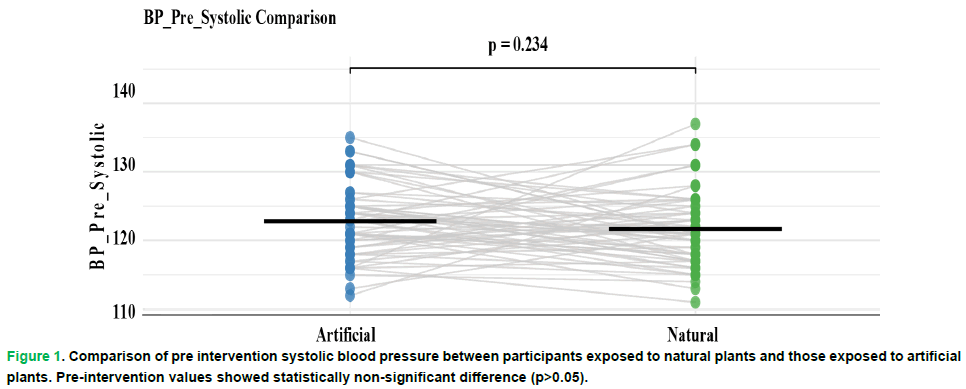
Figure 1: Comparison of pre intervention systolic blood pressure between participants exposed to natural plants and those exposed to artificial plants. Pre-intervention values showed statistically non-significant difference (p>0.05).
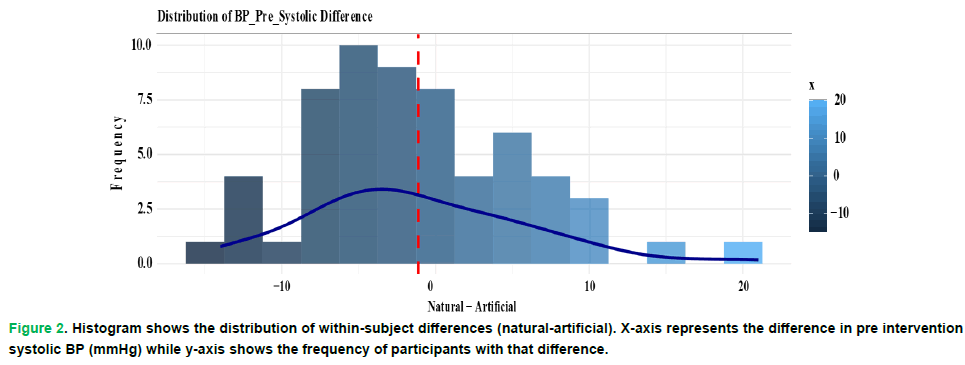
Figure 2: Histogram shows the distribution of within-subject differences (natural-artificial). X-axis represents the difference in pre intervention systolic BP (mmHg) while y-axis shows the frequency of participants with that difference.
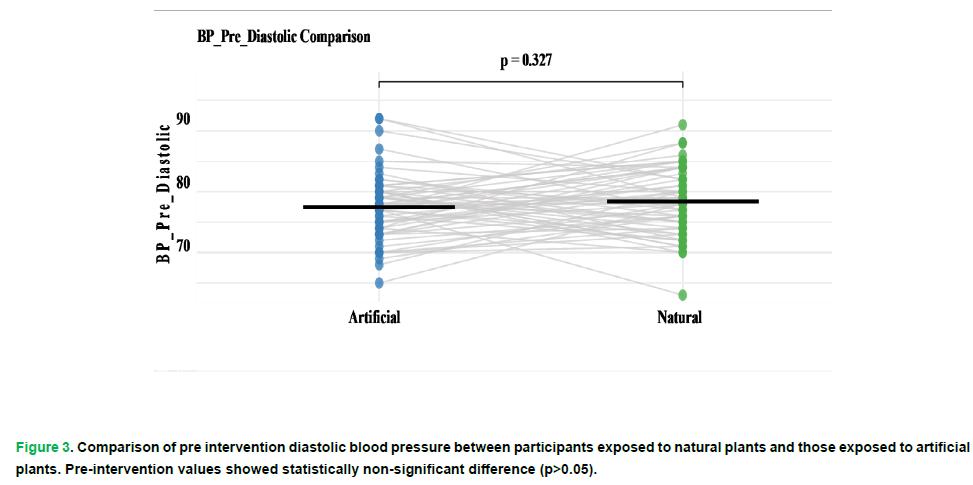
Figure 3: Comparison of pre intervention diastolic blood pressure between participants exposed to natural plants and those exposed to artificial plants. Pre-intervention values showed statistically non-significant difference (p>0.05).
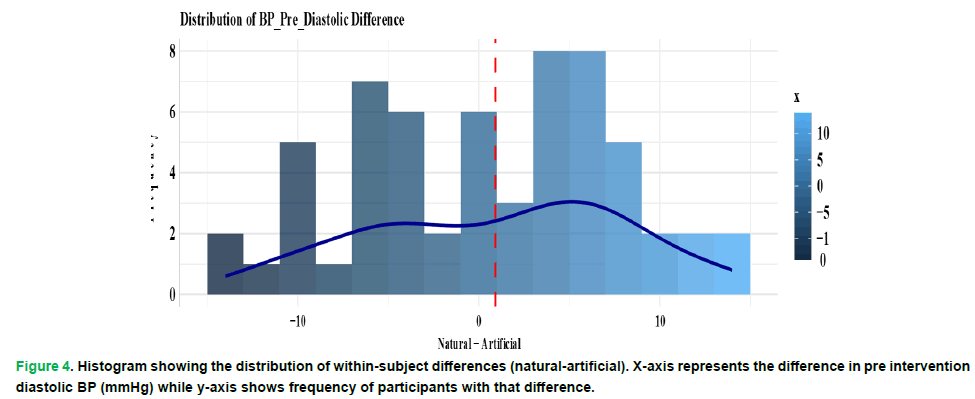
Figure 4: Histogram showing the distribution of within-subject differences (natural-artificial). X-axis represents the difference in pre intervention diastolic BP (mmHg) while y-axis shows frequency of participants with that difference
Participants who engaged in horticultural activities demonstrated a noticeable improvement in physiological indicators, particularly in terms of blood pressure. Specifically, individuals in Group A (exposed to real ornamental plants) exhibited a significant reduction in both systolic and diastolic blood pressure after completing the horticultural session (post systolic, -3.86; post diastolic, -2.98). In contrast, Group B participants, who interacted with artificial plants, displayed only marginal or negligible changes in their blood pressure readings (post systolic, 1.39; post diastolic, 1.3). In some cases, slight increases in post-activity readings were also noted, suggesting the artificial plants did not evoke the same calming physiological effects.
As shown in Figs. 5 and 7, p-value < 0.001, indicating a statistically significant difference in post systolic (artificial, 122.7; natural, 117.4; P<0.05) and diastolic BP (artificial, 80.39; natural, 78.83; P<0.05) between conditions after the session. Most lines slope downward from artificial to natural, showing that most individuals had lower post BP with natural activities. The clustered bar charts illustrate that the HT group began with values resembling those of the artificial plant group yet showed a much larger decrease after exposure to real plants (Figs. 6 and 8). In group A, post-intervention systolic values were substantially lower than baseline levels and diastolic reading that the same slope downward. For Group B, the pre- and post-intervention bars are virtually indistinguishable. Statistical evidence is reinforced by the visual delineation of groups which make it apparent that the blood pressure reduction is attributable to real plant exposure and not simply passage of time or engagement in a task.
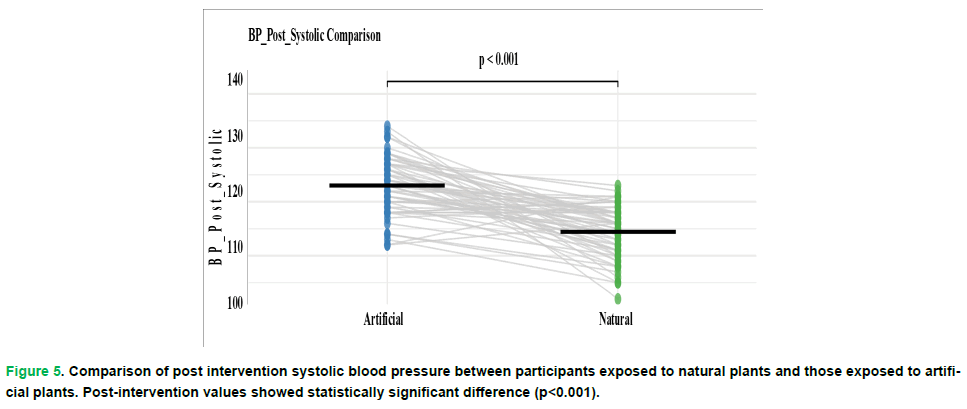
Figure 5: Comparison of post intervention systolic blood pressure between participants exposed to natural plants and those exposed to artificial plants. Post-intervention values showed statistically significant difference (p<0.001).
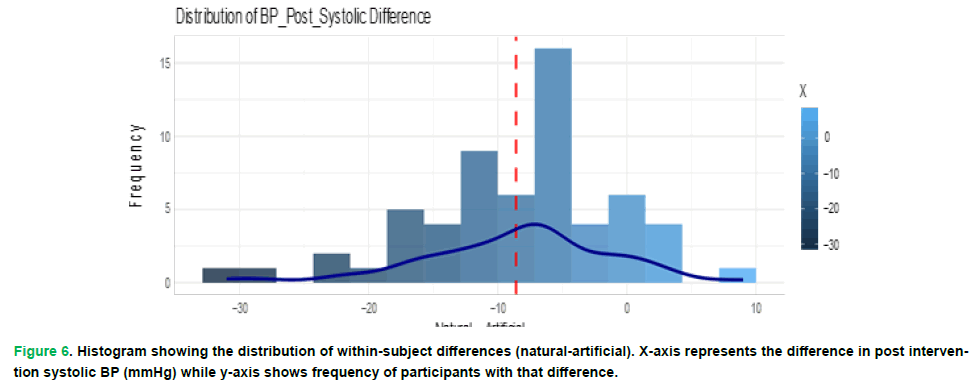
Figure 6: Histogram showing the distribution of within-subject differences (natural-artificial). X-axis represents the difference in post intervention systolic BP (mmHg) while y-axis shows frequency of participants with that difference.
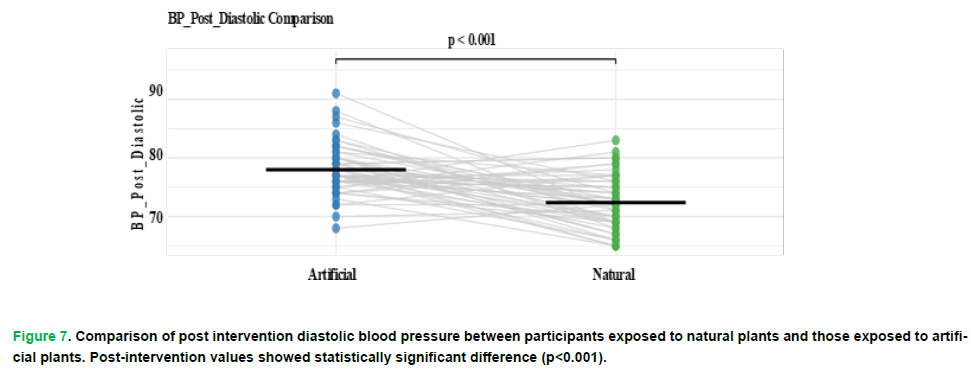
Figure 7: Comparison of post intervention diastolic blood pressure between participants exposed to natural plants and those exposed to artificial plants. Post-intervention values showed statistically significant difference (p<0.001).
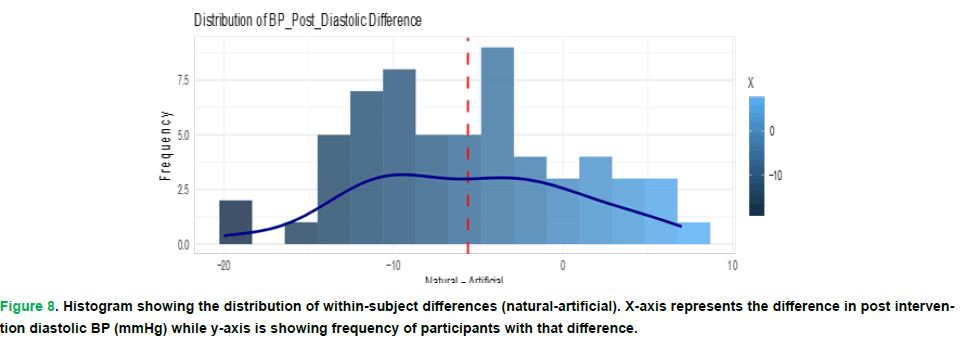
Figure 8: Histogram showing the distribution of within-subject differences (natural-artificial). X-axis represents the difference in post intervention diastolic BP (mmHg) while y-axis is showing frequency of participants with that difference.
The two groups are also specifically separated by the way their post-intervention values differ, with a large gap for both systolic and diastolic effects. The HT group consistently progressed towards healthier ranges, illustrating enhanced autonomic regulation; the artificial plant group maintained higher post-session blood pressure with some individuals exhibiting a slight increase. The significant discrepancy between groups demonstrates that interaction with real plants gives restorative input other than typical stimulus and boons of psychosomatic reaction in form of parasympathetic nervous system responses including cardiovascular recovery. These findings are compounded with statistical testing (p<0.001) making them compelling evidence that horticultural therapy through natural plants helps decrease physiological stress markers.
Cognitive responses (Electroencephalogram (EEG) alpha and beta wave activity)
Electroencephalogram (EEG) analysis focused on high alpha and high beta wave activity recorded during the task revealed marked differences between the two groups. In Group A, high-alpha wave activity showed a general increase over the 20-minute session, as shown in Figs. 9 to 18. The progressive enhancement implies that extended interaction with natural plants produced a state of calm alertness and attentional preparedness, congruent with neural indicators of relaxation and mindfulness.
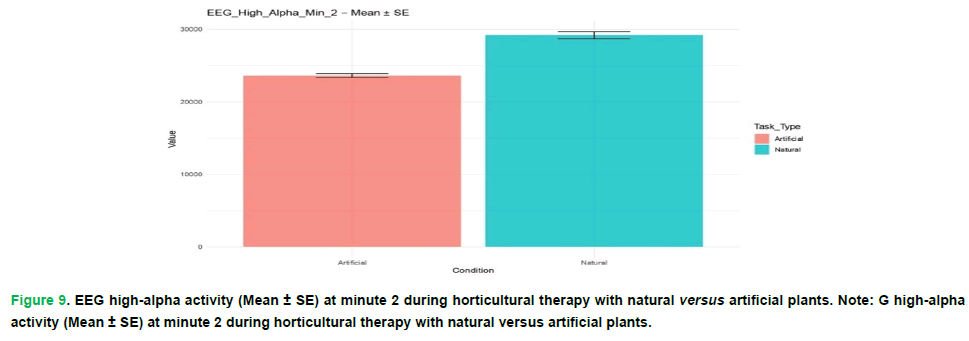
Figure 9: EEG high-alpha activity (Mean ± SE) at minute 2 during horticultural therapy with natural versus artificial plants. Note: G high-alpha activity (Mean ± SE) at minute 2 during horticultural therapy with natural versus artificial plants.
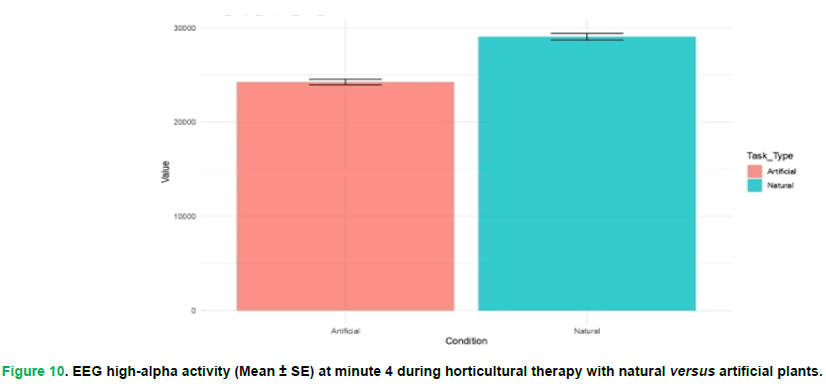
Figure 10: EEG high-alpha activity (Mean ± SE) at minute 4 during horticultural therapy with natural versus artificial plants.
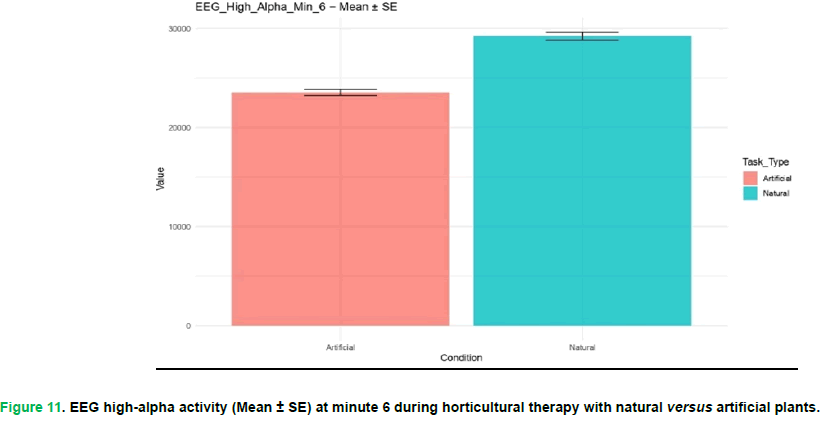
Figure 11: EEG high-alpha activity (Mean ± SE) at minute 6 during horticultural therapy with natural versus artificial plants.
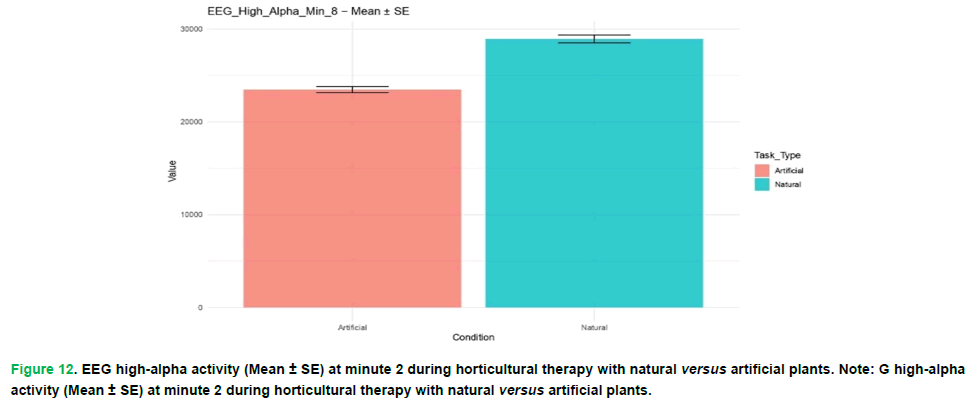
Figure 12: EEG high-alpha activity (Mean ± SE) at minute 2 during horticultural therapy with natural versus artificial plants. Note: G high-alpha activity ( Mean ± SE ) at minute 2 during horticultural therapy with natural versus artificial plants.
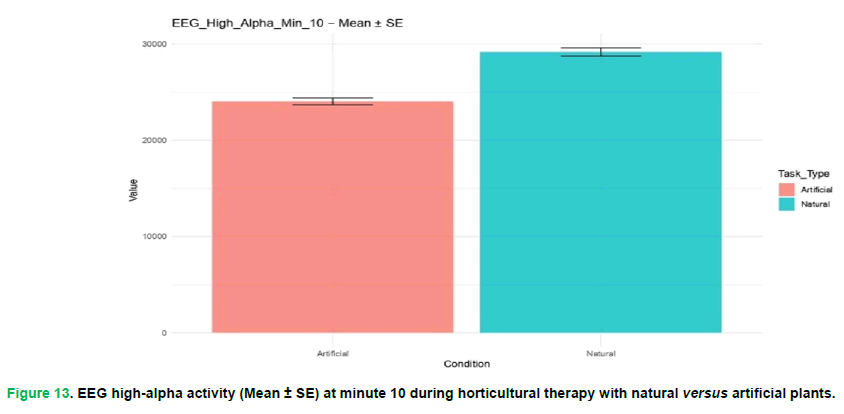
Figure 13: EEG high-alpha activity (Mean ± SE) at minute 10 during horticultural therapy with natural versus artificial plants.
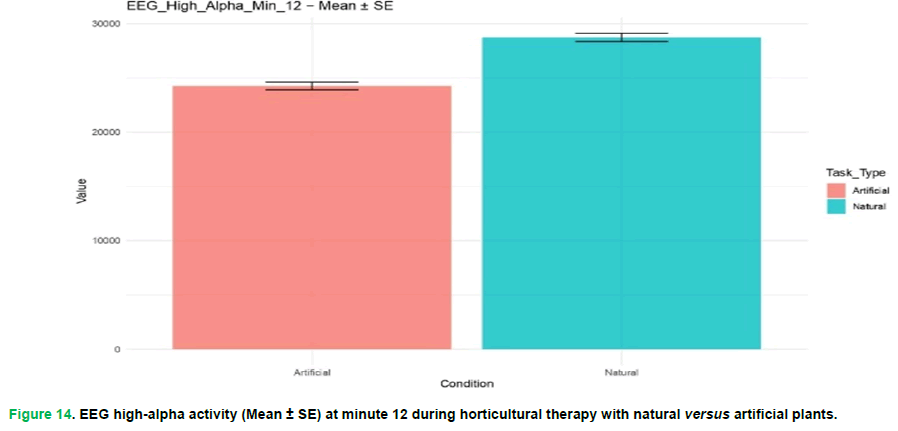
Figure 14: EEG high-alpha activity (Mean ± SE) at minute 12 during horticultural therapy with natural versus artificial plants.
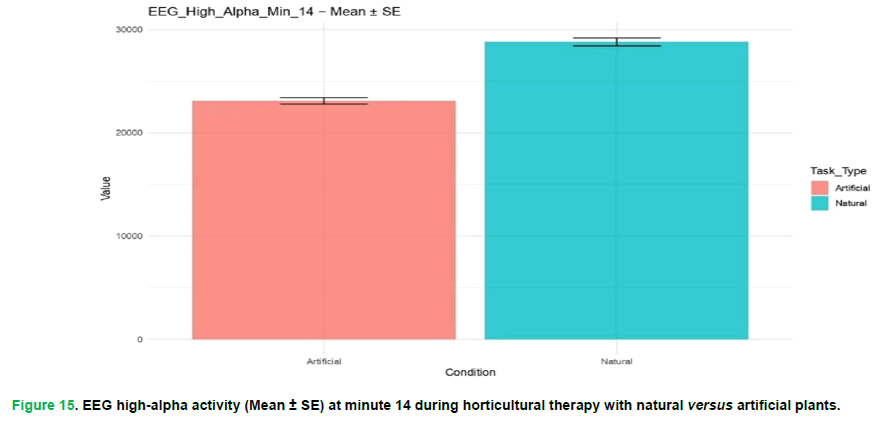
Figure 15: EEG high-alpha activity (Mean ± SE) at minute 14 during horticultural therapy with natural versus artificial plants.
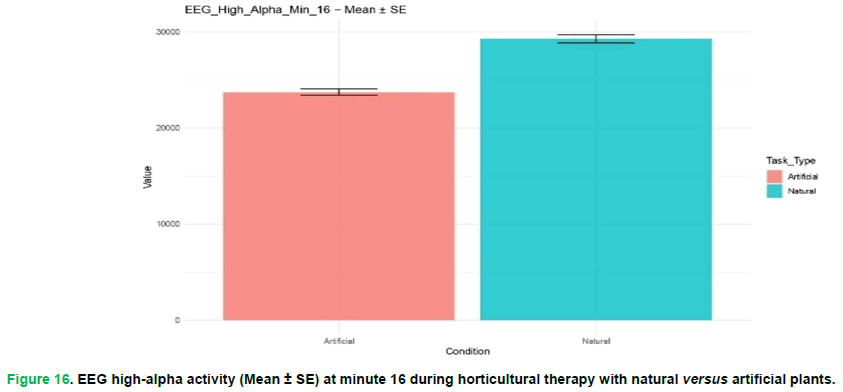
Figure 16: EEG high-alpha activity (Mean ± SE) at minute 16 during horticultural therapy with natural versus artificial plants.
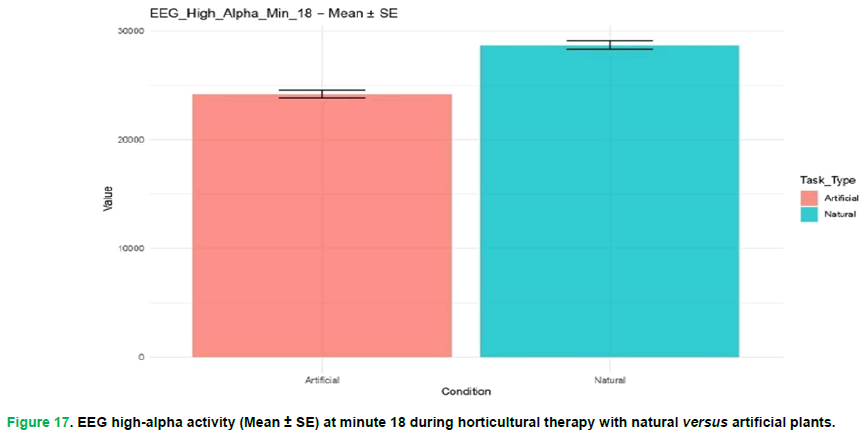
Figure 17: EEG high-alpha activity (Mean ± SE) at minute 18 during horticultural therapy with natural versus artificial plants.
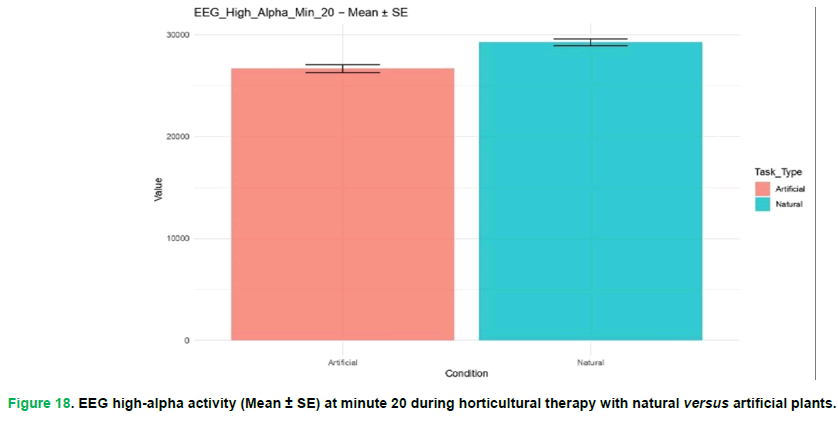
Figure 18: EEG high-alpha activity (Mean ± SE) at minute 20 during horticultural therapy with natural versus artificial plants.
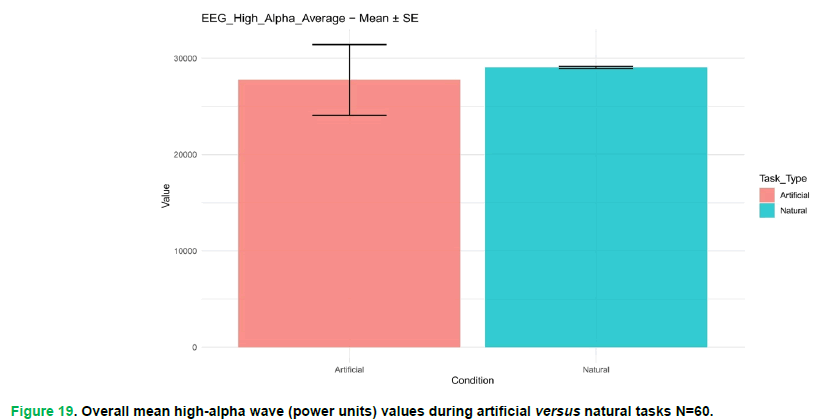
Figure 19: Overall mean high-alpha wave (power units) values during artificial versus natural tasks N=60.
Group B, on the other hand, showed relatively smaller alpha amplitudes throughout the session, with little variation and no clear temporal pattern. The overall average high-alpha activity also supported this differentiation, with Group A showing significantly higher mean values than Group B (artificial, 25572.02; natural, 33273.85; P<0.05). These results suggest that exposure to natural plants may facilitate and enhance restorative neurophysiological processes, whereas artificial plants do not produce comparable neurophysiological benefits.
High alpha wave activity recorded during last one minute of task showed significant differences between the two groups (Fig. 18). Participants who participated in real horticultural activity (Group A) had significantly higher high alpha wave activity (artificial, 25572.02; natural, 33273.85; P<0.05). This readout suggests a mental state that is dispassionate, yet attentive, a normal condition of diminished stress and increased awareness. In contrast, the beta waves of the Group B participants who worked with artificial plants were either inconsistent or minimally fluctuating, and they showed less alpha activity. These patterns indicate that the cognitive arousal or mental calmness evoked by artificial plants may not be the same.
It was seen in high-beta activity shown in Figs. 20-29 that showed complementary patterns. Finally, Group A participants showed moderate-to-high beta activity, peaking at 10-16 minutes in the middle of the session, followed by stabilization at high levels. This trajectory reflects sustained attentional engagement and cognitive arousal as participants interacted with the plants through tactile, visual and sensory cues. In contrast, Group B displayed reduced and unstable beta amplitudes that decreased in some individuals toward the end of the session. These irregular patterns indicate worse attentional control and less cognitive stimulation for the artificial plant condition. Average beta activity was significantly higher in Group A, underscoring the cognitive richness of natural multisensory engagement versus the limited stimulation of artificial alternatives (artificial, 19093.08; natural, 28962.9; P<0.05) (Fig. 30).
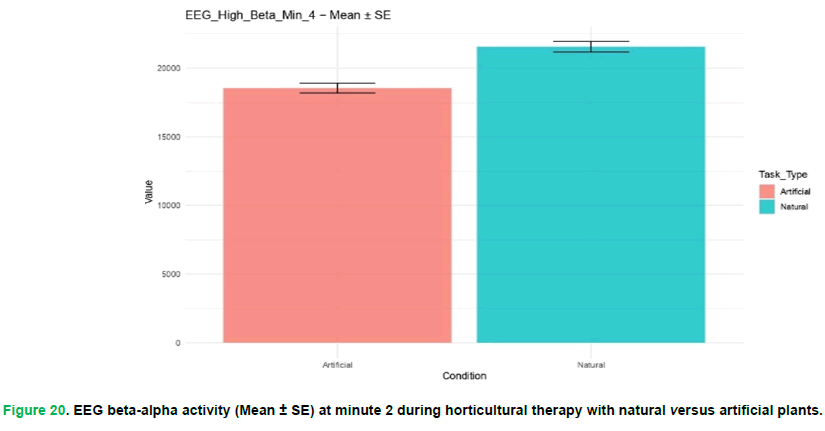
Figure 20: EEG beta-alpha activity (Mean ± SE) at minute 2 during horticultural therapy with natural versus artificial plants
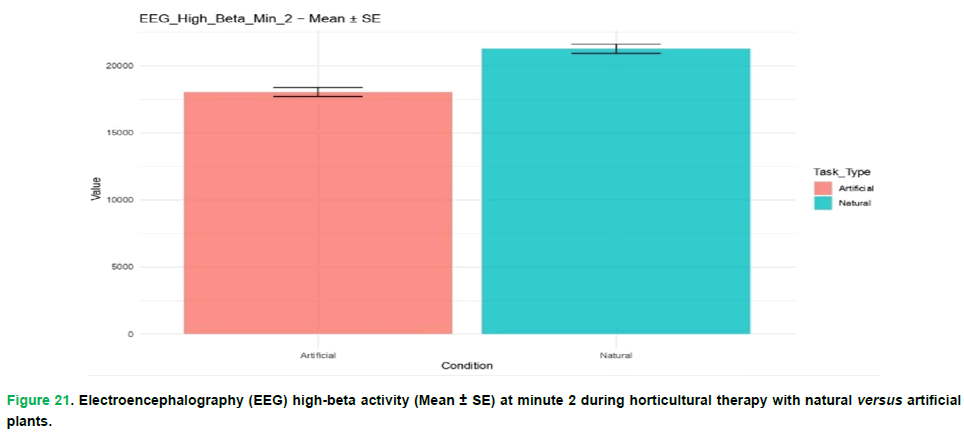
Figure 21: Electroencephalography (EEG) high-beta activity (Mean ± SE) at minute 2 during horticultural therapy with natural versus artificial plants.
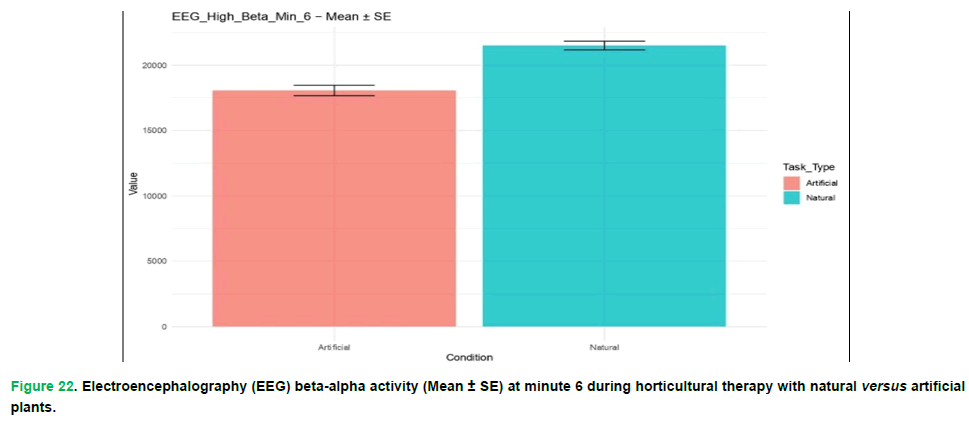
Figure 22: Electroencephalography (EEG) beta-alpha activity (Mean ± SE) at minute 6 during horticultural therapy with natural versus artificial plants.
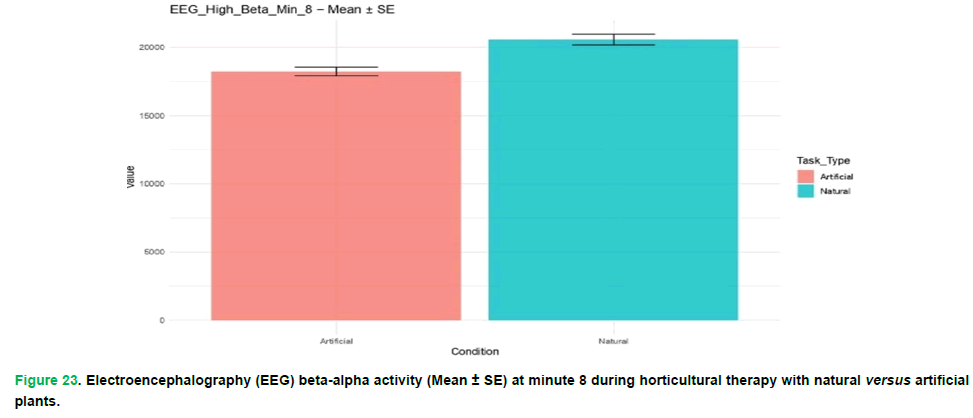
Figure 23: Electroencephalography (EEG) beta-alpha activity (Mean ± SE) at minute 8 during horticultural therapy with natural versus artificial plants.
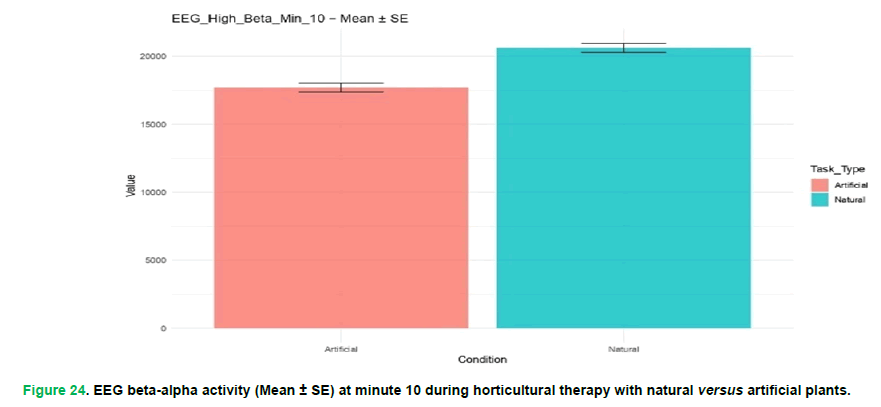
Figure 24: EEG beta-alpha activity (Mean ± SE) at minute 10 during horticultural therapy with natural versus artificial plants.
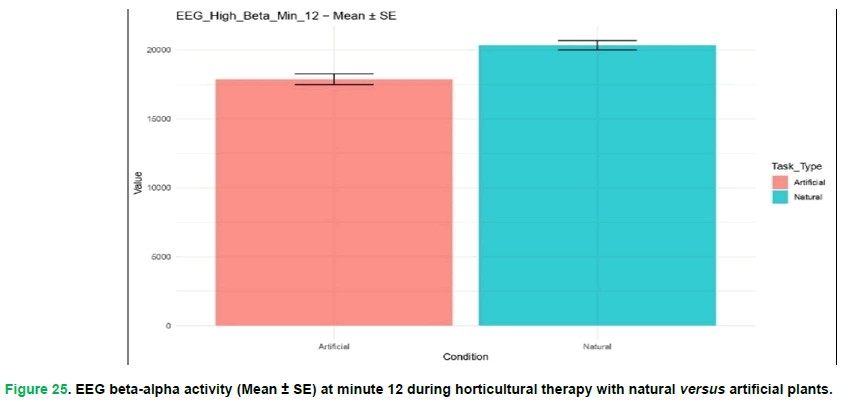
Figure 25: EEG beta-alpha activity (Mean ± SE) at minute 12 during horticultural therapy with natural versus artificial plants.
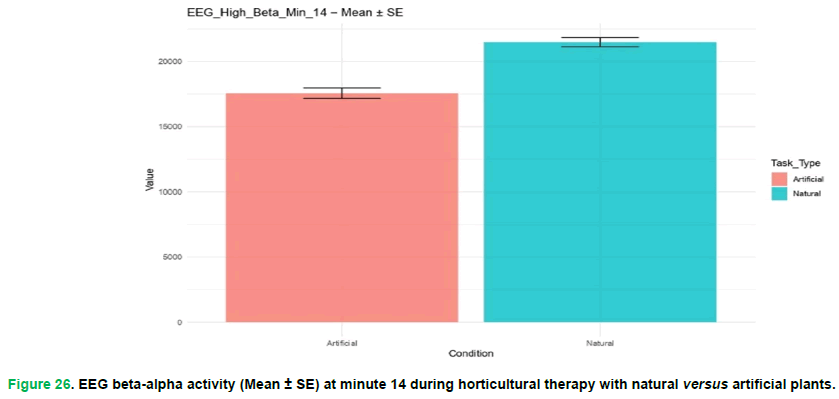
Figure 26: EEG beta-alpha activity (Mean ± SE) at minute 14 during horticultural therapy with natural versus artificial plants.
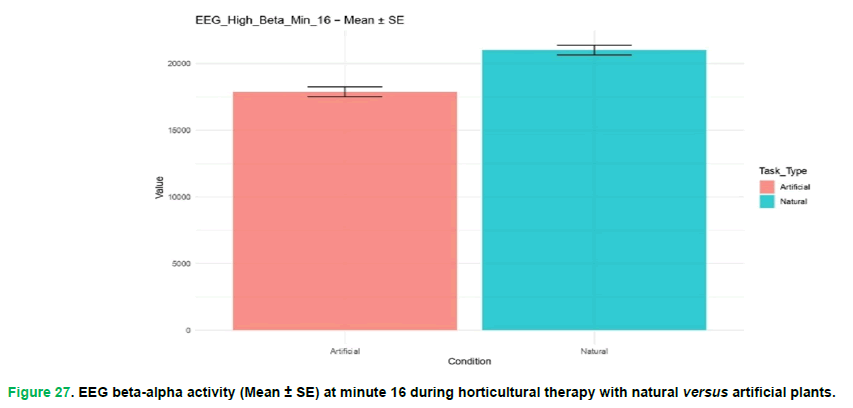
Figure 27: EEG beta-alpha activity (Mean ± SE) at minute 16 during horticultural therapy with natural versus artificial plants.
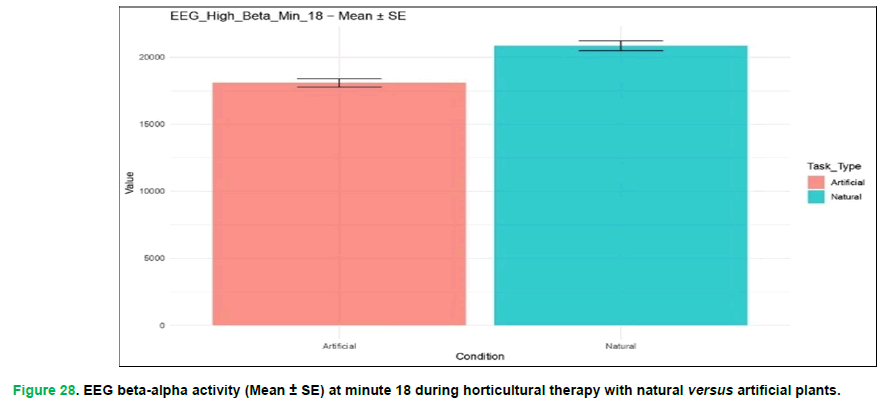
Figure 28: EEG beta-alpha activity (Mean ± SE) at minute 18 during horticultural therapy with natural versus artificial plants.
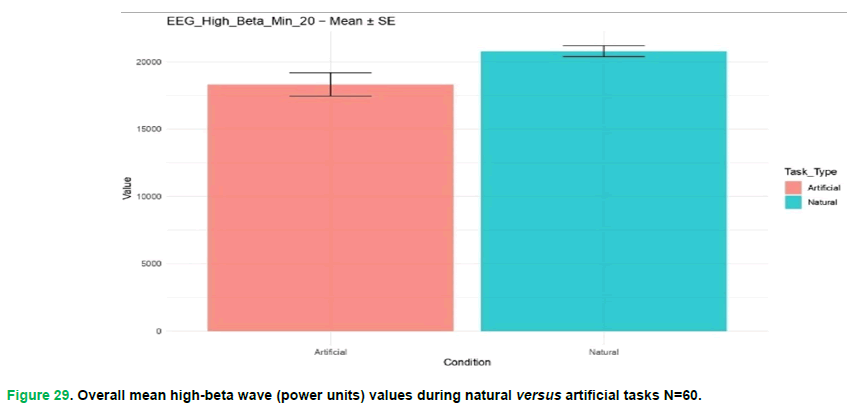
Figure 29: Overall mean high-beta wave (power units) values during natural versus artificial tasks N=60.
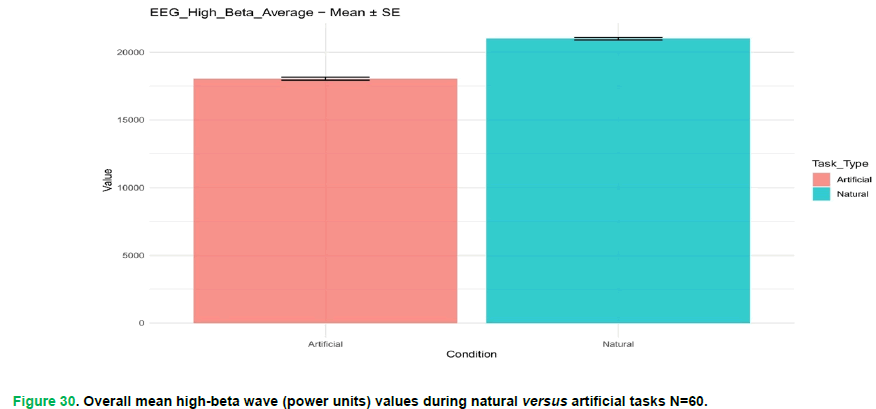
Figure 30: Overall mean high-beta wave (power units) values during natural versus artificial tasks N=60.
The increase in both high-alpha and high-beta activities collectively in Group A suggests the unique neurophysiological effects of horticultural therapy with real plants.
Psychological responses (State-Trait Anxiety Inventory-STAI scores)
The psychological impact of horticultural activities was first assessed using the State-Trait Anxiety Inventory (STAI). Participants who interacted with real plants (Group A) demonstrated a substantial decrease in state anxiety following the activity as presented in Fig. 31 (artificial, 45.16; natural, 40.24; P<0.05). Conversely, Group B participants who were exposed to artificial plants showed small improvements in STAI scores, often remaining in the 45 to 48 range, indicating limited psychological benefits. The difference between the two groups in reduction of anxiety highlights the psychological benefits of interacting with living plant material. The decrease in anxiety in Group A may have been due to the sensory rich and calming effects of real plants, offering a meditative and grounding experience during the task. Artificial plants did not have such multisensory cues and did not produce a similar response.
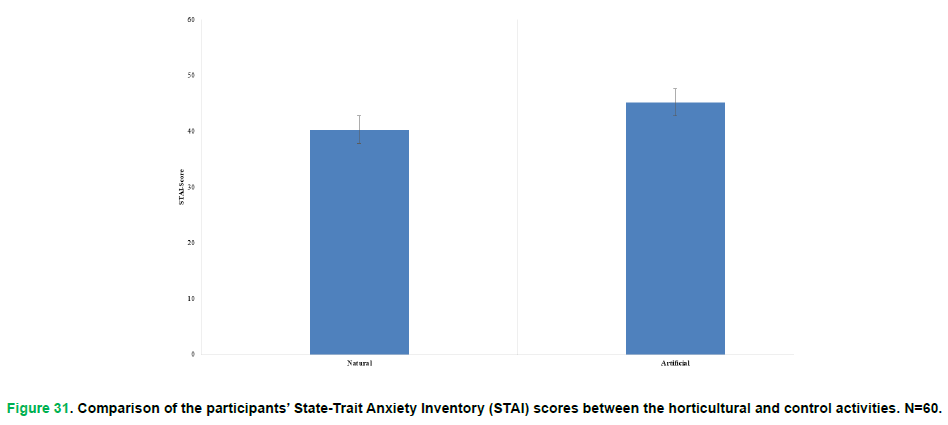
Figure 31: Comparison of the participants' State-Trait Anxiety Inventory (STAI) scores between the horticultural and control activities. N=60.
In addition to these findings, Fig. 32 shows the scores for meditation (natural 55; artificial 38; P<0.05). The scores for participants in Group A were higher and more constant throughout the 15-minute activity period with minimal fluctuation between the scores, demonstrating that participants in this group were psychologically immersed in the activity throughout the session and were in a calm, mindful state. The scores for participants in Group B were lower and varied greatly throughout the session, often dropping to scores that indicated that the participants had become distracted from the activity. The average scores for the two groups also demonstrated that scores for participants who had experienced real plants were higher than for those who experienced artificial plants. This, in conjunction with the decline in STAI anxiety scores and the increase in scores for the state of psychological immersion/meditation for participants in the natural plant group, provide further evidence that horticultural activities can reduce stress and promote psychological states that are conducive to feelings of well-being and recovery.
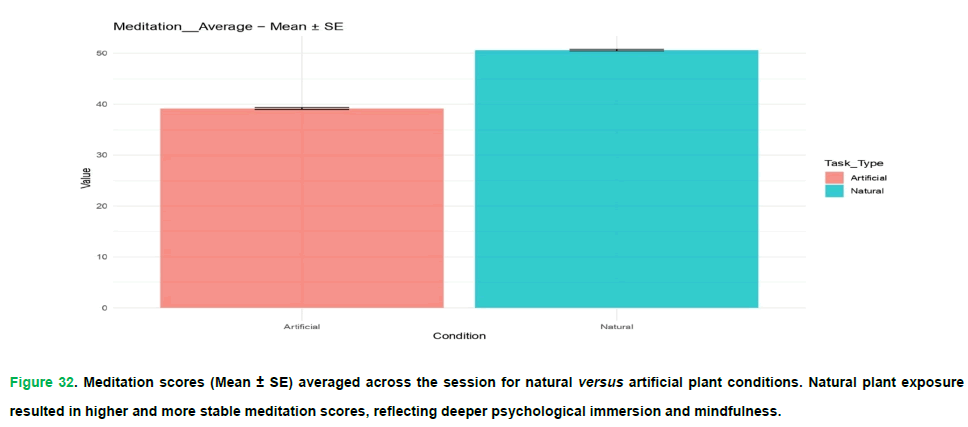
Figure 32: Meditation scores (Mean ± SE) averaged across the session for natural versus artificial plant conditions. Natural plant exposure resulted in higher and more stable meditation scores, reflecting deeper psychological immersion and mindfulness.
Though modest in scope, experiment reveals a clear pattern: Contact with live ornamental plants during gardening tasks supports better bodily control, sharper thinking, and less emotional strain. Lower blood pressure emerged among individuals tending actual greenery, along with stronger Electroencephalogram (EEG) signals tied to alertness and calm-alpha and beta rhythms rose noticeably. Meanwhile, reports of nervous tension dropped quite sharply for this group. On the flip side, people handling synthetic versions saw only minor shifts, if any, on these measures. Not one indicator showed equal strength in the faux-plant condition. Taken together, the data point toward something subtle yet meaningful-the presence of living vegetation may uniquely aid health. Real plants appear to matter, not just activity alone. This evidence backs including authentic botanical experiences in approaches designed to ease stress and improve daily functioning.
Discussion
Stress-related conditions are becoming more common in today's world, pushing researchers to explore drug-free ways to boost both mental and physical health. Plant-focused activities designed with clear goals-known as horticultural therapy-are gaining recognition through scientific study, fitting within broader findings about nature’s healing role (Boyd, et al. 2024). Evidence shows contact with live plants may calm the nervous system, lower levels of cortisol, even stabilize heart rate and blood pressure (Khurana, 2025. Xie, et al. 2025).
Results from the study show clear support for health gains when people work directly with live decorative plants during gardening tasks-effects that fit well with ideas behind biophilic architecture and therapy rooted in nature contact (Tutova, et al. 2025). It turns out those around living greenery had notably lower systolic and diastolic readings, a sign the body shifts toward rest mode, calming heart activity. Earlier studies back this up: Being near natural elements, even indoors, helps balance automatic bodily functions while reducing stress signals (Scott, et al. 2021, Brown, et al. 2013). What sets real plants apart might lie in how they engage multiple senses at once-something fake versions fail to deliver, possibly explaining stronger outcomes in Group A. Not every look-alike tricks the body into calming down. Earlier studies found nature-like inputs-especially those hitting sight, sound, or touch-tend to deepen recovery while lowering physical signs of stress (Hao, 2025, Yin, et al. 2020). Group B, exposed to fake greenery, showed no such shifts, hinting that mere visual mimicry fails to spark real bodily response.
Alpha and beta brainwave shifts emerged more clearly when people interacted with live greenery, according to Electroencephalogram (EEG) results. A rise in high-alpha waves-often seen during calm wakefulness-points toward a mind at ease yet ready to respond. Beta wave increases happened at the same time, signaling sharper focus and active thinking. This mix hints that nature doesn’t just soothe-it also keeps the brain involved. From an emotional standpoint, being around actual plants is linked strongly to lower momentary stress levels. These drops were captured using standard anxiety questionnaires designed to measure temporary nervous states. Lower scores in Group A align with prior findings-natural environments help reduce sudden mental strain while lifting mood (Donelli, et al. 2023, Hassan and Deshun, 2023). Artificial greenery brought no such benefit, indicating sight alone falls short of delivering what real plants offer. Though present visually, fake plants lack the qualities needed to trigger comparable emotional recovery.
Conclusion
The study assessed the therapeutic effects of horticultural activities through this controlled experiment with varied populations. Participants using natural ornamental plants experienced increased high alpha and beta wave activity, indicating improved relaxation. Significant reductions in systolic blood pressure and diastolic blood pressure were observed in the natural group compared to artificial plants. Anxiety levels, measured by the State-Trait Anxiety Inventory (STAI), decreased notably in the natural plants group. The findings support horticultural therapy as a beneficial, accessible complement to conventional healthcare for enhancing psychological, physiological, and functional outcomes.
References
- Arif T, Manzoor S, Hussain S, Younas S, Jahangir G, Saleem M, Hussain N. (2026). Neem-mediated green synthesis of zinc oxide nanoparticles: Therapeutic mechanisms, environmental utility, and critical research frontiers. J Life Soc Sci. 5:51.
- Brown DK, Barton JL, Gladwell VF. (2013). Viewing nature scenes positively affects recovery of autonomic function following acute-mental stress. Environ Sci Technol. 47:5562-5569.
[Crossref] [Google Scholar] [PubMed]
- Donelli D, Meneguzzo F, Antonelli M, Ardissino D, Niccoli G, Gronchi G, Baraldi R, Neri L, Zabini F. (2023). Effects of plant-emitted monoterpenes on anxiety symptoms: A propensity-matched observational cohort study, Int J Environ Res Public Health, 20:2773.
[Crossref] [Google Scholar] [PubMed]
- Emerson RW. (2017). ANOVA and t-tests. J Vis Impair Blind. 111:193-196.
- Guglielmetti MR, Menicucci E. (2021). Understanding the benefits of horticultural therapy on paediatric patient's well-being during hospitalisation. TQM J. 33:856-881.
- Han AR, Park SA, Ahn BE. (2018). Reduced stress and improved physical functional ability in elderly with mental health problems following a horticultural therapy program. Complement Ther Med. 38:19-23.
- Hassan A, Deshun Z. (2023). Better nature: Improved interactions with nature may reduce psychophysiological stress in Chinese adults. HortScience. 58:779-784.
- Hassan A, Qibing C, Tao J, Bing-Yang L, Nian L, Li S, Tng LY, Li JZ, Ziyue SG, Tahir MS. (2018). Effects of plant activity on mental stress in young adults. HortScience. 53:104-109.
- Hassan A, Bing CQ, Tao J. (2020). Brainwave measurements for lay activities with real and artificial ornamental plants. Eur J Hortic Sci. 84:199-205.
- Joubert A, Jankowski-Cherrier B, Rossi A, Teyssier L, Suraud V, Presle E, Pommier R, Massoubre C, Verot E. (2024). Impact of horticultural therapy on patients admitted to psychiatric wards, a randomised, controlled and open trial. Sci Rep. 14:14378.
- Kang KJ, Kang MJ. (2021). Effects of horticultural therapy on Korean elderly with dementia: A meta-analysis. J Korean Acad Psychiatr Ment Health Nurs. 30:352-368.
- Kenmochi T, Kenmochi A, Hoshiyama M. (2019). Effects of horticultural therapy on symptoms and future perspective of patients with schizophrenia in the chronic stage. J Ther Hortic. 29:1.
- Kousar M, Jahangir GZ, Saleem M, Manzoor S, Ahmad M, Ahmad J. (2026). Enhanced production of anti-dengue secondary metabolites in carica papaya cell suspension cultures using elicitors: A review. J Life Soc Sci. 5:1-14.
- Lee AY, Park SA, Park HG, Son KC. (2018). Determining the effects of a horticultural therapy program for improving the upper limb function and balance ability of stroke patients. HortScience. 53:110-119.
- Lee MS, Lee J, Park BJ, Miyazaki Y. (2015). Interaction with indoor plants may reduce psychological and physiological stress by suppressing autonomic nervous system activity in young adults: A randomized crossover study. J Physiol Anthropol. 34:21.
[Crossref] [Google Scholar] [PubMed]
- Manzoor S, Nouman M, Saleem M, Jahangir G, Younas S, Nazir B, Shehzad H. (2026). Zinc oxide nanoparticles for liver cancer: Advances in synthesis, mechanisms, delivery, and translational challenges. J Life Soc Sci. 5:1-9.
- Moore KD. (2007). Restorative dementia gardens: Exploring how design may ameliorate attention fatigue. J Hous Elderly. 21:73-88.
- Müller-Putz GR, Riedl R, Wriessnegger SC. (2015). Electroencephalography (EEG) as a research tool in the information systems discipline: Foundations, measurement, and applications. Commun Assoc Inf Syst. 37:46.
- Hoseinpoor NA, Foroozandeh E, Asadi GH. (2018). Horticulture therapy effects on memory and psychological symptoms of depressed male outpatients. Iran Rehabil J. 16:147-154.
- Park SA, Son SY, Lee AY, Park HG, Lee WL, Lee CH. (2020). Metabolite profiling revealed that a gardening activity program improves cognitive ability correlated with BDNF levels and serotonin metabolism in the elderly. Int J Environ Res Public Health. 17:541.
[Crossref] [Google Scholar] [PubMed]
- Rafiq MF, Jahangir G, Sarwar A, Saleem MZ, Manzoor S. (2026). Cloning and plant-expression design strategies for human antimicrobial peptides: LL-37 and Dermcidin as case studies. J Life Soc Sci. 5:1-15.
- Sarancha I, Kovinko M, Maksymchuk B, Tarasenko H, Kharchenko S, Demchenko I, Dovbnia S, Rudenko L, Symkanych O, Martyniuk T, Bilan V. (2022). Horticultural therapy course as an educational-therapeutic tool of rehabilitation for individuals with MSDs. Revista Romaneasca pentru Educatie Multidimensionala. 14:180-200.
- Scott EE, LoTemplio SB, McDonnell AS, McNay GD, Greenberg K, McKinney T, Uchino BN, Strayer DL. (2021). The autonomic nervous system in its natural environment: Immersion in nature is associated with changes in heart rate and heart rate variability. Psychophysiology. 58:e13698.
- Siddique M, Ali J, Akram M, Abbas J, Younas M. (2026). Chromatography (GC-MS) characterization, antioxidant and antifungal activities of Melia Azedarach L. seed oil and its application to inhibit the aflatoxins biosynthesis of Aspergillus Flavus and Aspergillus Parasiticus. J Life Soc Sci. 5:1-13.
- Tao J, Hassan A, Qibing C, Yinggao L, Li G, Jiang M, Li D, Nian L, Bing-Yang L, Ziqin Z. (2020). Psychological and physiological relaxation induced by natureâworking with ornamental plants. Discrete Dyn Nat Soc. 2020:6784512.
- Whear R, Coon JT, Bethel A, Abbott R, Stein K, Garside R. (2014). What is the impact of using outdoor spaces such as gardens on the physical and mental well-being of those with dementia? A systematic review of quantitative and qualitative evidence. J Am Med Dir Assoc. 15:697-705.
[Crossref] [Google Scholar] [PubMed]
- Yin J, Yuan J, Arfaei N, Catalano PJ, Allen JG, Spengler JD. (2020). Effects of biophilic indoor environment on stress and anxiety recovery: A between-subjects experiment in virtual reality. Environ Int. 136:105427.
[Crossref] [Google Scholar] [PubMed]